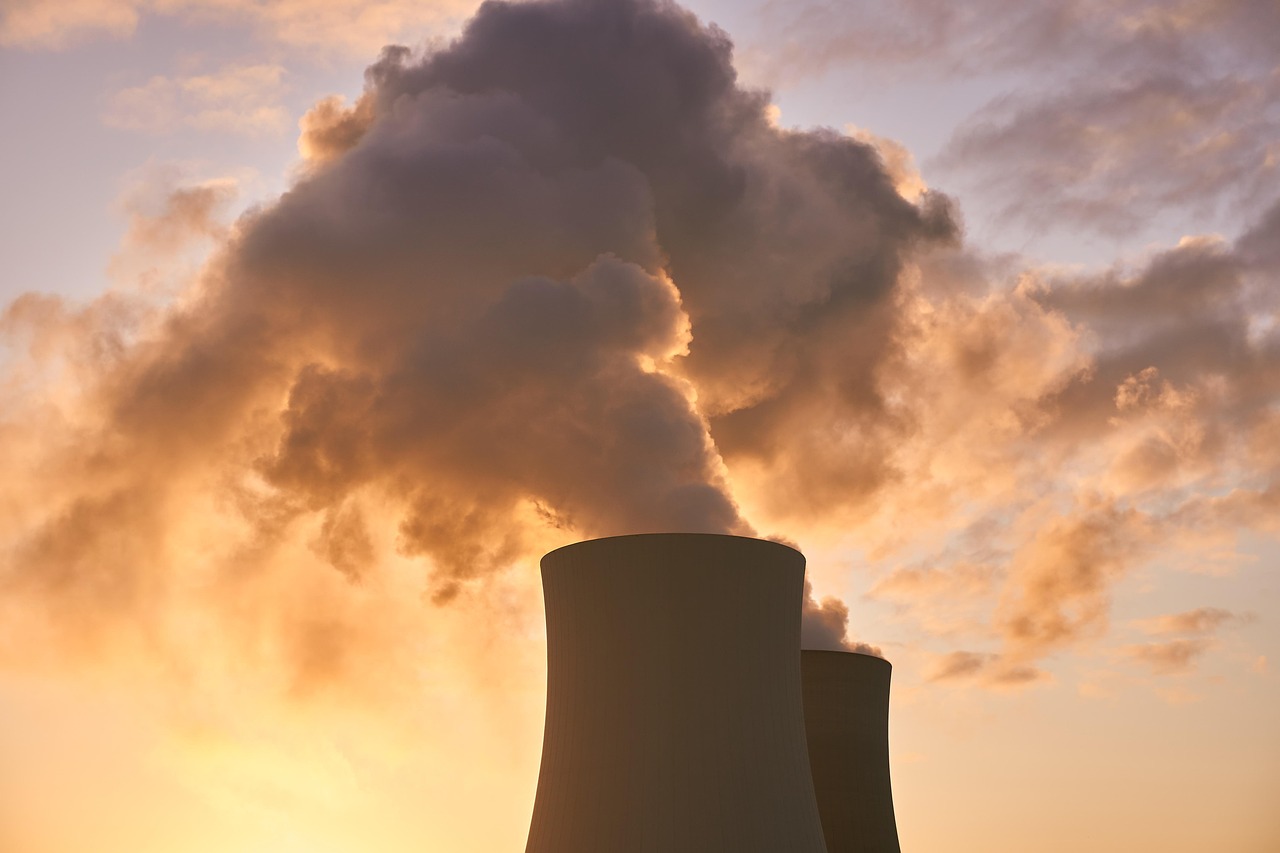
Nuclear energy is at a pivotal juncture. With a resurgence in interest, especially in the United States, the issue of nuclear waste management has come to the forefront. As countries ramp up their nuclear capabilities to meet growing energy demands, the pressing question becomes: what do we do with the waste?
Nuclear energy is at a pivotal juncture. With a resurgence in interest, especially in the United States, the issue of nuclear waste management has come to the forefront. As countries ramp up their nuclear capabilities to meet growing energy demands, the pressing question becomes: what do we do with the waste? This article delves into the complexities of nuclear waste management, exploring current practices, challenges, and future directions.
Rising Interest in Nuclear Energy
Global interest in nuclear energy is surging. Countries are increasingly turning to nuclear power as a clean energy source to combat climate change and meet rising electricity demands. In the U.S., nuclear reactors generate about 20% of the nation’s electricity, and this figure is expected to rise as new technologies emerge. According to MIT Technology Review, the U.S. produces approximately 2,000 metric tons of high-level nuclear waste each year, with no permanent solution in sight.
This growing demand poses significant challenges for nuclear waste management. Current methods primarily involve storing spent fuel onsite at reactors, which is not a sustainable long-term solution. The lack of a comprehensive waste management strategy raises concerns about safety and environmental impact, highlighting the urgent need for action.
International Approaches to Waste Storage
The leading strategy for long-term storage of high-level radioactive waste involves deep geological repositories. Countries like Finland are paving the way with their Onkalo facility, which is nearing operational status. This facility is designed to store nuclear waste safely for thousands of years, showcasing a model that other nations could follow. In contrast, the U.S. has struggled with its Yucca Mountain project, which has stalled due to political opposition and funding issues. As noted by MIT Technology Review, the U.S. has yet to establish a permanent solution for its nuclear waste, despite having the highest number of nuclear reactors in the world.
France, which has one of the most established nuclear programs, is also working on a repository for its waste. The country has implemented a reprocessing strategy that allows it to recycle some materials, but the leftover waste still requires secure storage solutions. As nations grapple with the complexities of nuclear waste, it is clear that a unified global approach is necessary to address this issue effectively.
Countries like Canada are also making strides in nuclear waste management, with their Nuclear Waste Management Organization (NWMO) actively pursuing the development of a deep geological repository.
Countries like Canada are also making strides in nuclear waste management, with their Nuclear Waste Management Organization (NWMO) actively pursuing the development of a deep geological repository. This initiative reflects a growing recognition that long-term solutions must be prioritized to ensure safety and sustainability.
Challenges and Ongoing Debates
The debate surrounding nuclear waste management is fraught with contradictions. On one hand, nuclear energy advocates argue that it is a clean and efficient power source that can help meet global energy needs. On the other hand, critics highlight the long-term risks associated with radioactive waste and the potential for catastrophic accidents. This dichotomy complicates policy-making and public perception.
Moreover, the urgency of addressing nuclear waste management is often overshadowed by the immediate political and economic interests of various stakeholders. While some experts advocate for the establishment of a new organization in the U.S. to manage nuclear waste, similar to those in Finland and Canada, political inertia continues to hinder progress. This lack of consensus reflects a broader hesitation to fully embrace nuclear energy as a sustainable solution.
The complexity of nuclear waste management is further exacerbated by the diverse opinions on the safety of current storage methods. While experts generally agree that onsite storage is safe in the short term, it is not a viable long-term solution. The need for a comprehensive national strategy is critical, as highlighted by the ongoing discussions about the Yucca Mountain project and the implications of its delays.
Innovative Solutions for the Future
Looking ahead, the future of nuclear waste management hinges on innovation and collaboration. As countries like China and India expand their nuclear capabilities, the global community must prioritize the development of effective waste management strategies. This includes investing in research and technology to create safer and more efficient storage solutions.
As countries like China and India expand their nuclear capabilities, the global community must prioritize the development of effective waste management strategies.
Additionally, international cooperation will be crucial in establishing best practices and sharing knowledge. As nations navigate the complexities of nuclear waste, the lessons learned from successful programs can inform future efforts. The time to act is now, as delaying action only exacerbates the problem.
Emerging technologies, such as advanced nuclear reactors and improved recycling methods, could play a significant role in reducing the volume of waste generated. Innovations in waste recycling from nuclear plants are being explored, with the potential to minimize the long-term storage needs significantly. By adopting a more proactive approach to waste management, the nuclear industry can mitigate some of the risks associated with radioactive waste.
Career Opportunities in Nuclear Energy
The evolving landscape of nuclear energy and waste management presents numerous career opportunities. As the industry grows, there will be a demand for professionals skilled in engineering, environmental science, and policy development. Young professionals entering the workforce should consider the implications of nuclear energy on sustainability and environmental stewardship.
As the world shifts towards nuclear energy, effective strategies for waste disposal must be prioritized. By learning from global leaders and fostering collaboration, the nuclear industry can address this challenge head-on.
Written by Career Ahead AI. AI can make mistakes, so verify key facts. Report errors to support@careeraheadonline.com.
Career Ahead AI is Career Ahead Magazine's in-house AI newsroom, reporting on careers, education, jobs and business. It produces original summaries and analysis drawn from publicly available sources, with those sources credited, and operates under the editorial oversight of the Career Ahead team. AI can make mistakes, so please tell us when something looks wrong. Corrections, copyright or takedown requests…
Modern banking is no longer just about financial services—it is increasingly a technology industry powered by infrastructure, artificial intelligence, and regulation. In…
Golden Visas are evolving fast—from Portugal’s policy shift to the UAE’s merit-based model. For Indians exploring global mobility, this 2025 guide compares…



 Entrepreneurship & Business
Entrepreneurship & Business