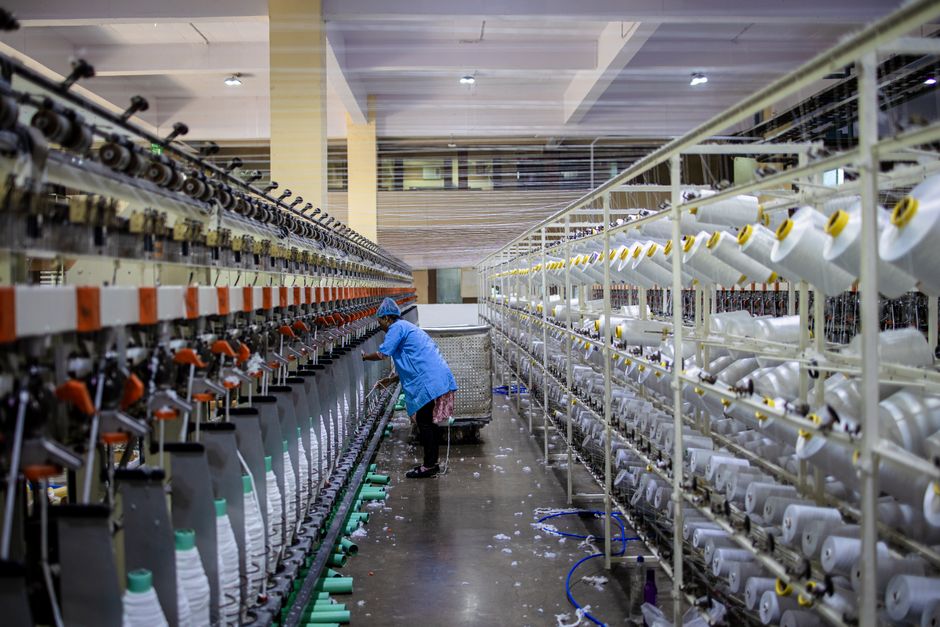
Japan’s largest manufacturers are showing strong confidence, even as the Bank of Japan (BOJ) raises interest rates. A recent BOJ survey found that about 70% of major firms expect stable profits despite higher borrowing costs. This trend highlights the resilience of Japan’s manufacturing sector amid economic challenges.
The BOJ’s decision to raise interest rates aims to combat inflation, a growing concern in Japan. This move follows years of ultra-low rates designed to stimulate economic growth. As the BOJ adjusts its monetary policy, the implications for the manufacturing sector are significant, especially for investment decisions and financial forecasting.
Optimism in the Face of Economic Challenges
Despite the risks of higher borrowing costs, Japan’s largest manufacturers remain optimistic. Companies like Toyota and Sony report strong earnings and positive outlooks for the coming fiscal year. Toyota, for example, expects a significant increase in production due to robust demand for electric vehicles (EVs) and hybrids.
This optimism extends beyond automotive giants. Electronics firms are also seeing growth, driven by increased demand for semiconductors and consumer electronics. A report from the Japan Electronics and Information Technology Industries Association predicts a 5% growth in the electronics sector this year, fueled by technological advancements and rising consumer spending.
Manufacturers’ confidence is evident in their investment strategies. Many firms plan to expand production capacities and invest in new technologies. For instance, Sony has announced plans to invest heavily in AI and robotics to improve its manufacturing processes, leading to greater efficiency and cost savings.
Career Ahead’s analysis shows that this confidence is vital for Japan’s economic landscape. As manufacturers invest and innovate, they can drive economic growth, create jobs, and enhance Japan’s global competitiveness.
Career Ahead’s analysis shows that this confidence is vital for Japan’s economic landscape.
Financial Forecasting Amid Rate Changes
The BOJ’s recent interest rate hikes have led financial analysts to reassess their forecasts for the manufacturing sector. Traditionally, rising rates can decrease consumer spending and slow economic growth. However, the current sentiment among Japan’s manufacturers suggests a different story.
 Industry & Global Trends
India Set for Back-to-Back Rate Hikes as Inflation Risks Mount
The Reserve Bank of India is poised to implement consecutive interest rate hikes in response to rising inflation driven by various economic factors.
Read More →Analysts at the Japan Research Institute believe that while higher rates may initially dampen consumer spending, the long-term benefits of a stable economic environment could outweigh these concerns. They predict that manufacturers will find innovative ways to maintain profitability and growth as they adapt to the new interest rate landscape.
Furthermore, the BOJ’s gradual rate hikes indicate a careful approach to monetary policy. This strategy may give manufacturers time to adjust their financial strategies and operations. Companies will likely focus on cost management, pricing strategies, and improving operational efficiencies to lessen the impact of higher borrowing costs.

Financial analysts advise manufacturers to closely monitor the BOJ’s future actions and adjust their investment strategies accordingly.
Financial analysts advise manufacturers to closely monitor the BOJ’s future actions and adjust their investment strategies accordingly. The ability to respond quickly to changing economic conditions will be crucial for maintaining competitiveness in both domestic and international markets.
Implications for Manufacturing Executives and Financial Analysts
The confidence shown by Japan’s largest manufacturers presents both opportunities and challenges for executives and financial analysts. Executives must focus on innovation and adaptability in this environment. As the market evolves, companies should invest in new technologies and processes that meet changing consumer preferences and economic conditions.
For financial analysts, providing accurate forecasts that reflect the dynamic nature of the manufacturing sector is essential. Understanding how rising interest rates affect different segments of the industry will be crucial. Analysts should consider factors like export demand, global supply chain disruptions, and shifts in consumer behavior when making predictions.
 Industry & Global Trends
Fed Signals Flexibility in Rate-Hike Timing Amid Inflation Concerns
The Federal Reserve's recent comments on rate-hike flexibility signal potential shifts in monetary policy that could reshape investment strategies for financial analysts and investment managers.…
Read More →Additionally, the optimism among manufacturers may influence investment decisions from external stakeholders. Investors might see this positive sentiment as a signal to increase funding for manufacturing ventures, especially those focused on innovation and sustainability. This influx of capital could further enhance the sector’s growth prospects.
Ultimately, how Japan’s manufacturing sector responds to the BOJ’s rate hikes will be closely monitored. Manufacturers’ ability to navigate these changes will determine their success and shape Japan’s broader economic landscape.
As Japan’s manufacturing sector adapts to the new interest rate environment, the implications for investment strategies and economic growth will unfold. Will manufacturers keep their momentum, or will rising costs affect their confidence? The coming months will be critical for Japan’s manufacturing industry.
As Japan’s manufacturing sector adapts to the new interest rate environment, the implications for investment strategies and economic growth will unfold.
Frequently Asked Questions
What should manufacturing executives in Japan consider with rising interest rates?
Manufacturing executives should focus on innovation and adaptability in response to rising interest rates. Understanding market dynamics and consumer behavior will be crucial for maintaining competitiveness.
How do financial analysts predict the impact of BOJ rate changes on market confidence?
Financial analysts predict that while higher rates may initially slow consumer spending, the long-term stability from the BOJ’s approach could boost market confidence in the manufacturing sector.

What strategies can Japanese manufacturers adopt in response to economic shifts?
Japanese manufacturers can adopt strategies focused on cost management, operational efficiency, and investment in new technologies to navigate the challenges posed by rising interest rates.
Written by Career Ahead AI. AI can make mistakes, so verify key facts. Report errors to support@careeraheadonline.com.