
No products in the cart.

Kazakhstan and Chevron: Unlocking New Oil Potential
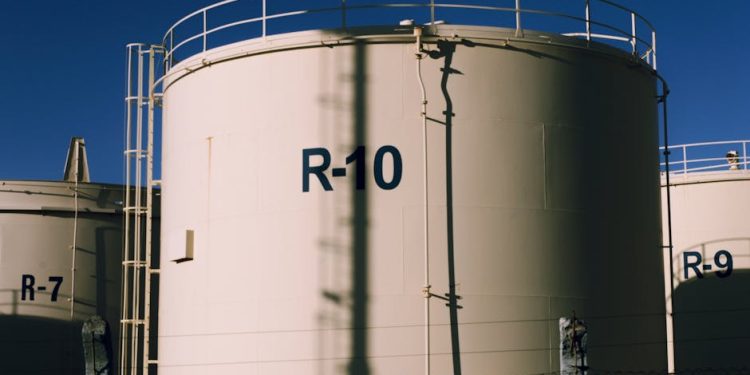
Kazakhstan, aiming to boost its oil production, partners with Chevron to explore new reserves. This development could reshape the oil landscape.

Aktau, Kazakhstan — Kazakhstan is set to expand its oil production significantly. The country is working closely with Chevron to explore untapped reserves beneath its vast grassy plains. This initiative comes after a substantial investment of nearly $50 billion aimed at enhancing the Tengiz oil field. As global demand for oil remains high, Kazakhstan’s efforts to boost its production could have far-reaching implications for the energy sector.
Chevron, a major player in the global oil market, has been a partner in the Tengiz oil project for decades. The company’s expertise in oil extraction and development is crucial as Kazakhstan seeks to maximize its resources. The recent developments at Tengiz are not just about extraction; they also focus on technological advancements and sustainable practices that could set a precedent for future projects.
The partnership between Kazakhstan and Chevron is not without its challenges. Chevron and its partners are navigating a complex landscape filled with regulatory hurdles and environmental concerns. However, the potential rewards are substantial. Kazakhstan aims to increase its oil output by 500,000 barrels per day by 2026, a significant leap that could position the country as a key player in the global oil market.
The Strategic Importance of Tengiz Oil Field
The Tengiz oil field is one of the largest in the world, with proven reserves estimated at over 26 billion barrels. Chevron has played a pivotal role in its development since the early 1990s. The field’s strategic importance is underscored by its location and the technological advancements required to extract oil from its depths.
As Kazakhstan seeks to diversify its economy, the oil sector remains a cornerstone of its growth strategy. The government has implemented policies to attract foreign investment, making it easier for companies like Chevron to operate in the region. This partnership not only enhances Kazakhstan’s oil production but also brings in much-needed capital and expertise.
The oil sector’s growth can lead to improved infrastructure, education, and healthcare, benefiting the broader community.
Moreover, the expansion of the Tengiz oil field is expected to create thousands of jobs, providing a significant boost to the local economy. This is particularly important in a region where employment opportunities can be limited. The oil sector’s growth can lead to improved infrastructure, education, and healthcare, benefiting the broader community.
Impact on Global Oil Prices and Market Dynamics
You may also like
 Government & Policy
Govt Launches Cross-Border E-Commerce Export Framework
The new inventory-based cross-border e-commerce export framework, operational since August 5, 2026, aims to enhance India's export capabilities through e-commerce, as part of the Foreign…
Read More →The increase in oil production from Kazakhstan is likely to have implications for global oil prices. As the country ramps up its output, it could influence supply dynamics in the market. Analysts suggest that a rise in Kazakhstan’s oil production may lead to more competitive pricing, especially as other major oil-producing nations face production caps.
Furthermore, Kazakhstan’s enhanced oil output could attract more attention from international markets. With Chevron’s backing, the country is poised to become a more significant player in the energy sector. This shift could lead to increased investments in other sectors, including renewable energy, as Kazakhstan looks to balance its energy portfolio.

However, some experts caution against over-reliance on oil revenues. The volatility of oil prices can pose risks to the economy. Diversifying the economic base beyond oil is essential for long-term stability. The government’s efforts to develop other sectors, such as agriculture and tourism, will be critical in this regard.
However, experts warn that this trend may not be sustainable. A recent report by the International Energy Agency suggests that while Kazakhstan’s oil production may see short-term gains, the long-term outlook depends on global demand and environmental considerations. Companies must balance new investments with sustainable practices to ensure future viability.
Companies must balance new investments with sustainable practices to ensure future viability.
The Future of Kazakhstan’s Oil Industry
As Kazakhstan continues to develop its oil resources, the collaboration with Chevron is likely to evolve. Future projects may focus on integrating more advanced technologies, such as digital oilfield technologies and enhanced oil recovery techniques. These innovations could further increase production efficiency and reduce environmental impacts.
In the coming years, Kazakhstan’s oil sector may also see increased competition from other energy sources. As the world shifts towards renewable energy, the demand for oil may fluctuate. Kazakhstan must be prepared to adapt to these changes while maximizing its current resources.
You may also like
 News
NewsMeta Announces 8,000 Layoffs While CEO Acknowledges Slower‑Than‑Expected AI Progress
Meta cut 8,000 jobs in May 2026 and its CEO later said AI progress has lagged, prompting a shift toward an AI‑first strategy.
Read More →Ultimately, the partnership with Chevron represents a significant step for Kazakhstan in its quest for energy independence and economic growth. The next few years will be crucial in determining how effectively the country can leverage its oil riches while addressing the challenges of sustainability and market dynamics. Will Kazakhstan’s ambitious plans succeed in reshaping its energy landscape, or will external factors hinder its progress?









I think the admin of this web page is genuinely working hard in support of his web page, since here every stuff is quality based