No products in the cart.

Keep Lighting the Torches That Gloria Steinem Lit

Gloria Steinem's legacy continues to inspire feminist activism globally, emphasizing grassroots organizing, digital engagement, and intersectionality. Activists today are adapting her principles to address contemporary challenges, fostering collaboration across various social justice movements.

Gloria Steinem’s work continues to inspire feminist activism today, as highlighted in a recent opinion piece. On September 8, 2026, the New York Times published an article emphasizing the importance of Steinem’s legacy in shaping modern feminist movements. This reflection comes at a pivotal time when women’s rights issues are gaining increased visibility across the globe.
Steinem’s influence is evident in the current landscape of feminist activism, where her principles are being applied to address contemporary challenges. Activists are finding new strategies to engage diverse communities and amplify their voices. The urgency of these efforts is underscored by ongoing debates about reproductive rights, workplace equality, and violence against women. As noted by Ms. Magazine, Steinem lit a revolution that continues to inspire a new generation of activists who are committed to social change, demonstrating the lasting impact of her work.
Reviving Feminism: Strategies Inspired by Steinem
Steinem’s approach to activism emphasized the importance of grassroots organizing and coalition-building. Today, feminist activists are adopting these strategies to create inclusive movements that resonate with a broader audience. According to a piece from Ms. Magazine, Steinem lit a revolution that continues to inspire a new generation of activists who are committed to social change. Modern activists are leveraging technology and social media to mobilize support and raise awareness about women’s rights issues. This digital engagement mirrors Steinem’s belief in the power of communication to drive change. By utilizing platforms like Instagram and Twitter, activists can share their stories, connect with allies, and organize protests that demand attention from policymakers.
Moreover, the digital landscape has transformed how movements operate, allowing for rapid dissemination of information and fostering global solidarity. Activists can now coordinate actions across borders, creating a united front against injustices that transcend national boundaries. This interconnectedness is vital in a world where issues like gender-based violence and reproductive rights are not confined to one region but are global challenges. The ability to share resources and strategies across different contexts enhances the effectiveness of feminist movements, ensuring that the lessons learned from Steinem’s era are adapted to meet today’s needs.
Furthermore, the emphasis on intersectionality in contemporary feminism reflects Steinem’s vision of inclusivity. Today’s activists recognize that issues of race, class, and sexuality are intertwined with gender equality. This holistic approach allows for a more comprehensive understanding of the challenges faced by marginalized groups, fostering solidarity among diverse communities. As noted in a recent article in the New York Times, the fight for gender equality cannot be separated from the struggles against racism and economic inequality, reinforcing Steinem’s belief in the interconnectedness of social justice issues.
Career Ahead’s analysis finds that the current feminist movements are not only inspired by Steinem’s principles but are also evolving to meet the needs of today’s society.
You may also like
 News
NewsScammers Target Remote Workers with OTP and Fake Job Scams
Remote workers are increasingly targeted by sophisticated scams involving fake job offers and OTP requests. Understanding these tactics is crucial for freelancers and digital marketers…
Read More →Career Ahead’s analysis finds that the current feminist movements are not only inspired by Steinem’s principles but are also evolving to meet the needs of today’s society. As activists continue to push for systemic change, they are building on the foundation laid by pioneers like Steinem, ensuring that their efforts are relevant and impactful.
The Role of Mentorship in Feminist Movements
Mentorship plays a crucial role in the advancement of feminist activism, echoing Steinem’s belief in the importance of guiding the next generation of leaders. Many contemporary activists cite Steinem as a mentor figure, illustrating the power of role models in shaping their paths. This legacy of mentorship is vital for fostering new talent and ensuring the sustainability of feminist movements. Programs that connect young activists with experienced leaders are gaining traction, providing invaluable support and resources. These mentorship relationships help to equip emerging activists with the skills and knowledge needed to navigate the complexities of social justice work. As noted in the New York Times, the torch is not being passed; rather, it is being used to light other people’s torches, creating a network of empowered individuals ready to tackle the challenges ahead.
Moreover, mentorship extends beyond personal relationships; it encompasses community-building efforts that encourage collaboration and shared learning. By creating spaces for dialogue and support, mentors can help foster a sense of belonging among activists. This communal approach not only strengthens individual activists but also enhances the overall effectiveness of feminist movements. The importance of mentorship is further underscored by the recognition that many young activists are navigating a landscape fraught with challenges, including backlash against women’s rights and the need for resilience in the face of adversity.
As feminist activism continues to evolve, the importance of mentorship remains a consistent theme. By nurturing the next generation, activists can ensure that Steinem’s legacy endures and that the fight for gender equality remains vigorous and relevant. The commitment to mentorship is also reflected in the increasing number of initiatives aimed at empowering young women, such as workshops, training programs, and networking events that connect aspiring activists with seasoned leaders.
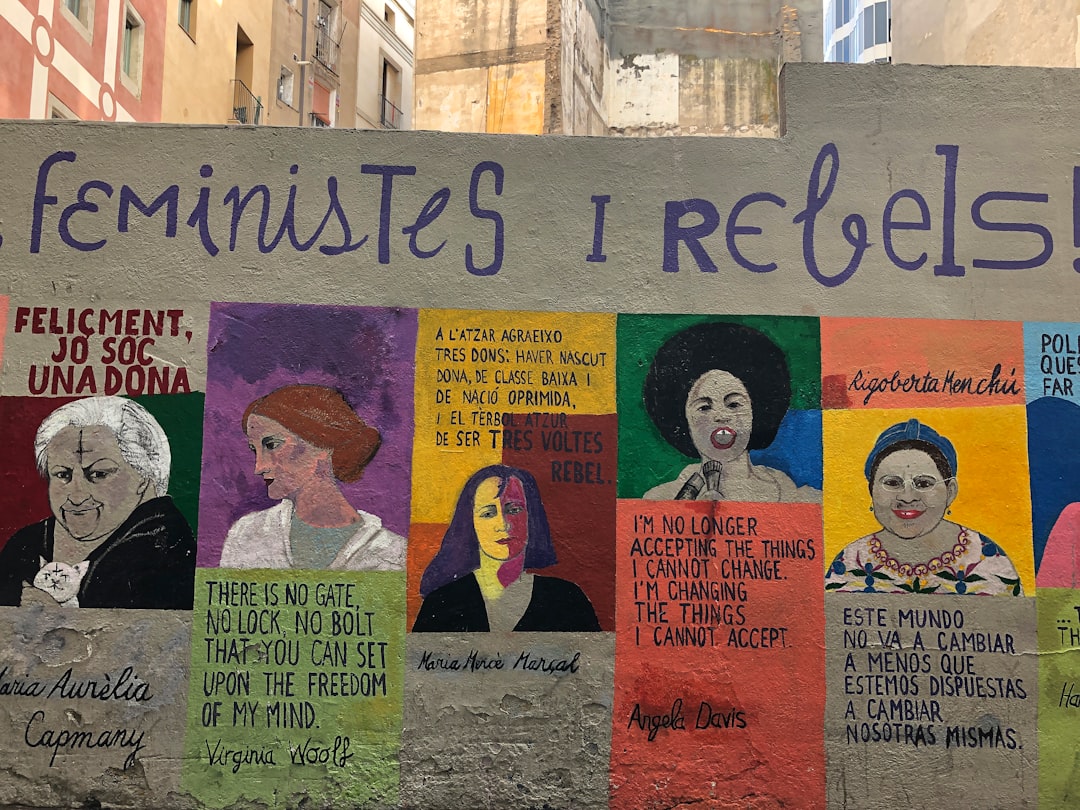
The commitment to mentorship is also reflected in the increasing number of initiatives aimed at empowering young women, such as workshops, training programs, and networking events that connect aspiring activists with seasoned leaders.
As these mentorship programs flourish, they not only honor Steinem’s contributions but also adapt her teachings to the current context, ensuring that the feminist movement remains dynamic and responsive to the needs of all women.
The resurgence of interest in Steinem’s work has broader implications for social justice movements beyond feminism. Her emphasis on collective action and solidarity resonates with various causes, including racial justice, LGBTQ+ rights, and environmental advocacy. Activists from different movements are recognizing the interconnectedness of their struggles, leading to more collaborative efforts. In recent years, movements like Black Lives Matter and climate justice activism have seen increased collaboration with feminist groups. This intersectional approach highlights the importance of unity in addressing systemic issues that affect diverse communities. Steinem’s legacy serves as a reminder that social justice is a multifaceted endeavor, requiring cooperation across various movements.
You may also like
 News
NewsU.S. Stocks Climb as Weak Jobs Data Lowers Rate Hike Expectations
U.S. stocks rose following a weak jobs report that tempered expectations for Federal Reserve interest rate hikes. This shift in market sentiment is crucial for…
Read More →Career Ahead research indicates that as activists draw inspiration from Steinem, they are also adapting her strategies to fit the unique challenges faced by their respective movements. This adaptability demonstrates the enduring relevance of her principles, as activists continue to innovate and find new ways to create change. As we look to the future, the potential for collective action across social justice movements is promising. By embracing Steinem’s legacy, activists can forge new alliances and strengthen their efforts to create a more equitable society.
This ongoing evolution in feminist activism, rooted in the teachings of Gloria Steinem, raises critical questions about the future of social movements. How will the next generation of activists continue to build on her legacy while addressing the complexities of today’s social landscape?
Frequently Asked Questions
What are effective strategies for feminist activism today?
Career Ahead’s analysis shows that effective strategies for feminist activism today include grassroots organizing, digital engagement, and an emphasis on intersectionality. Activists are leveraging technology to raise awareness and mobilize support, while also ensuring that diverse voices are included in the conversation.
By connecting experienced leaders with new activists, mentorship fosters skill development and helps build a strong network of advocates committed to social change.
How can gender studies academics incorporate Steinem’s work into their curriculum?
Gender studies academics can incorporate Steinem’s work by analyzing her writings and speeches, discussing her impact on feminist movements, and exploring contemporary applications of her principles. This approach can help students understand the relevance of her ideas in today’s social justice landscape.

What role does mentorship play in advancing social justice initiatives?
Mentorship is crucial in advancing social justice initiatives as it provides guidance and support to emerging activists. By connecting experienced leaders with new activists, mentorship fosters skill development and helps build a strong network of advocates committed to social change.
You may also like
 News
NewsAnup Bagchi Takes Charge as HDFC Bank MD & CEO
Anup Bagchi, with over three decades in financial services, is set to lead HDFC Bank starting October 27, 2026, following the retirement of Sashidhar Jagdishan.
Read More →