No products in the cart.

Let’s build a better future for female scaffolders | Letter | Career Outlook
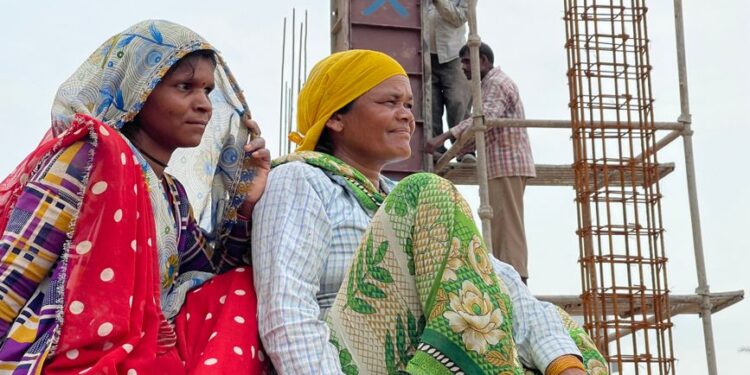
Emma Claassen, founder of WiSA, emphasizes that scaffolding requires more than just physical strength; it demands skill, teamwork, and proper training.

UK — The construction industry is making important strides to close the gender gap in scaffolding. Recent discussions show a strong need for initiatives that support female scaffolders. The Women in Scaffolding Association (WiSA) leads this effort, pushing for a more inclusive workforce. This movement is vital as the industry faces a skills shortage due to an aging workforce and fewer new entrants.
Emma Claassen, founder of WiSA, points out that scaffolding needs more than physical strength. It requires skill, teamwork, and proper training. As the industry struggles to recruit, it must attract capable individuals willing to learn, including women. This approach broadens the pool of potential scaffolders and helps maintain high standards. Claassen believes women offer unique perspectives and problem-solving skills that improve team dynamics and project results.
Initiatives Supporting Female Scaffolders
Career Ahead analysis identifies several initiatives aimed at helping female scaffolders in the UK. WiSA is working to make the profession more visible to women and girls. This includes showcasing successful female scaffolders and offering mentorship opportunities. Such initiatives are crucial for changing perceptions about women in construction, showing that scaffolding is a viable and rewarding career.
A report by the UK Construction Skills Shortage states that increasing the visibility of female role models can greatly influence young women’s career choices. It encourages them to consider trades often dominated by men. Training programs specifically for women are also emerging. These programs provide hands-on experience and mentorship, helping women develop the skills needed to excel in scaffolding.
WiSA emphasizes that the goal is not to lower standards but to empower women to meet existing high standards. This ensures that women are included as skilled contributors to the workforce. Additionally, these programs often include safety training, which is crucial in an industry with high injury risks. By equipping women with the right skills and knowledge, the industry can create a safer and more competent workforce.
A report by the UK Construction Skills Shortage states that increasing the visibility of female role models can greatly influence young women’s career choices.
You may also like
 Industry & Global Trends
US Solar Panel Makers Race to Innovate Against China
US solar panel manufacturers are advancing tandem technology to enhance competitiveness against China. This shift opens new investment opportunities and market dynamics in the renewable…
Read More →Partnerships between construction companies and educational institutions are forming to create tailored training programs. These programs focus on practical skills and safety training, essential for anyone entering scaffolding. By investing in these initiatives, the industry takes proactive steps toward a more diverse workforce. The collaboration between WiSA and various construction firms has led to scholarships and grants for women pursuing careers in scaffolding. This financial support can reduce barriers to entry, making it easier for women to join the field.
Despite these positive changes, challenges remain. The construction sector has long been male-dominated, and changing this culture requires ongoing efforts. The industry must continue to promote female role models and foster a supportive environment for women in scaffolding. A recent letter to The Guardian highlights the need to address systemic issues that have marginalized women, such as workplace harassment and discrimination. Creating a culture of respect and inclusivity is vital for retaining female talent in the long run.
Advocacy for Policy Changes
Advocacy for policy changes is another key aspect of supporting female scaffolders. There is growing recognition that policy reforms can create a more inclusive environment in construction. For instance, initiatives to improve workplace equality and safety can attract more women to the field. Research from the Gender Diversity in Construction initiative shows that companies with diverse workforces are more innovative and better at problem-solving, leading to improved project outcomes.
Career Ahead research indicates that policies promoting equal pay and flexible working conditions are crucial for retaining female workers in scaffolding. These policies benefit women and enhance overall workforce satisfaction and productivity. Companies adopting such measures are likely to see better retention rates and a more engaged workforce. Furthermore, flexible working arrangements can help accommodate women with caregiving responsibilities, making it easier to balance work and family life.
Industry leaders are also calling for government support to fund training programs specifically for women in construction. This funding can help bridge the gap between interest and opportunity, ensuring women have access to necessary resources. By prioritizing these initiatives, the industry can effectively tackle the skills shortage while fostering a more diverse workforce. Various advocacy groups echo the call for government intervention, emphasizing the need for a coordinated approach to address gender disparity in construction.
Career Ahead research indicates that policies promoting equal pay and flexible working conditions are crucial for retaining female workers in scaffolding.
You may also like
 Industry & Global Trends
Romania Maintains Investment Grade Amid Global Uncertainty
Romania has maintained its BBB- investment grade rating, avoiding a downgrade to junk status, leading to a rally in assets and increased investor confidence. This…
Read More →As the construction industry evolves, it is vital for stakeholders to stay committed to these advocacy efforts. Continuous dialogue between industry leaders, policymakers, and advocacy groups will be essential in shaping a future where female scaffolders are not just participants but leaders in the field. Integrating women into scaffolding roles addresses the skills gap and enriches the industry with diverse perspectives and innovative solutions.
Ultimately, the push for gender diversity in scaffolding reflects a broader societal shift toward inclusivity. As more women enter the profession, the industry can benefit from diverse perspectives and innovative solutions. The future of scaffolding may depend on successfully integrating women into the workforce, paving the way for a more equitable and skilled construction sector.
Frequently Asked Questions
What training programs are available for female scaffolders?
Career Ahead’s analysis shows that various training programs are being developed specifically for female scaffolders. These programs focus on hands-on experience, mentorship, and safety training, helping women build the necessary skills to thrive in the industry.
These changes are essential for creating an inclusive environment that attracts and retains female workers in the scaffolding sector.
How can female scaffolders advocate for better workplace conditions?
Female scaffolders can advocate for better workplace conditions by joining organizations like the Women in Scaffolding Association. These groups provide a platform for women to voice their concerns and push for policy changes that promote equality and safety in the workplace.

What policies are being proposed to support women in construction?
Proposed policies include promoting equal pay, flexible working conditions, and funding for training programs aimed at women in construction. These changes are essential for creating an inclusive environment that attracts and retains female workers in the scaffolding sector.
You may also like
 Industry & Global Trends
Wall Street’s $10 billion India hospital bet sparks a fight over bills
Wall Street's $10 billion investment in India's healthcare sector raises concerns over rising hospital bills and affordability. The influx of private equity is reshaping billing…
Read More →