No products in the cart.

Lime bike profits double as rider numbers surge | Career Outlook
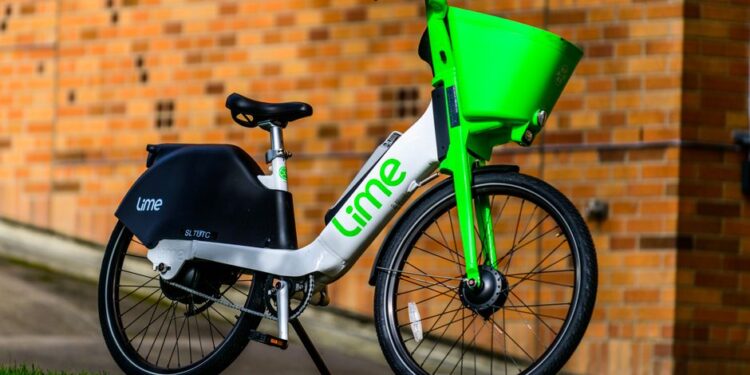
Lime Technologies has reported a significant increase in profits and rider numbers in England, driven by strategic expansion and growing demand for e-bikes. The company's sales rose to £148 million in 2025, with profits climbing from £1.7 million to £4.7 million, reflecting a broader trend in urban transportation.

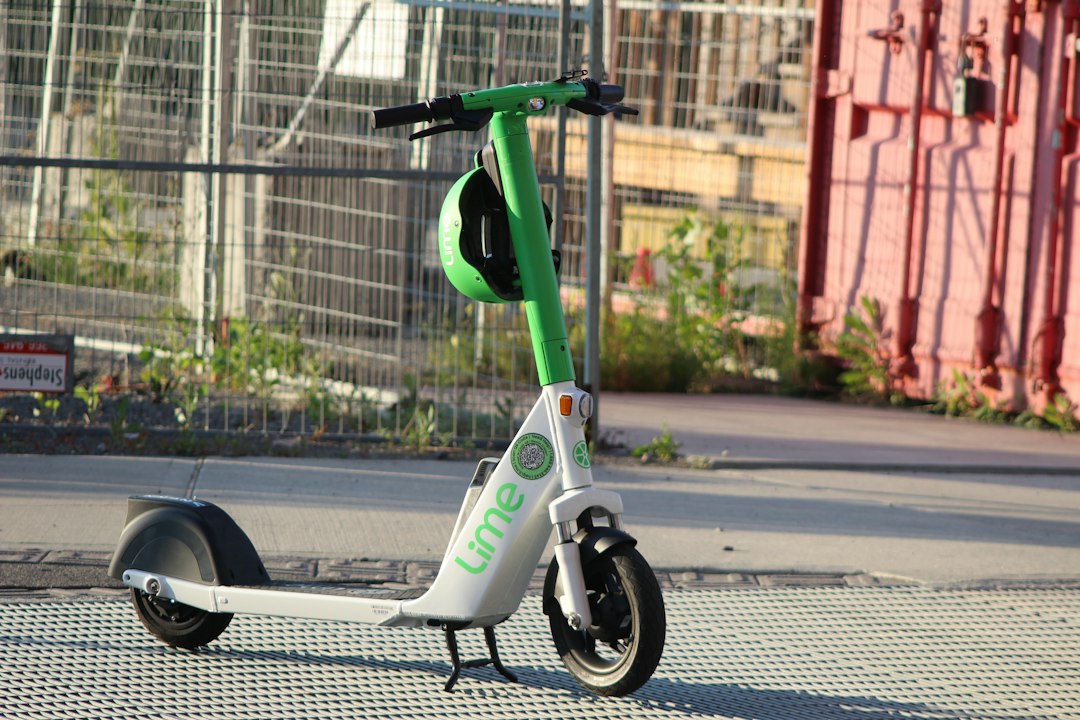
England — Lime Technologies has reported a remarkable doubling of its profits, driven by a surge in rider numbers. As of September 2026, the company has nearly 700,000 average monthly users, a 31% increase. Lime’s fleet has also expanded, now including nearly 38,000 e-bikes and scooters across various UK cities.
Lime’s sales increased by a third to £148 million in 2025, with profits rising from £1.7 million to £4.7 million. This growth is attributed to the company’s strategic expansion into new cities, including Oxford and Nottingham, and the addition of over 4,500 e-bikes to its operations. The success of Lime reflects a broader trend in urban transportation, as e-bikes become a preferred mode of travel for many.
Growing E-bike Adoption in Urban Areas
The demand for e-bikes in urban areas is rapidly increasing, as evidenced by Lime’s impressive growth figures. The English devolution bill, passed in April 2024, allows local authorities to regulate rental e-bike operators, creating a safer environment for riders. London’s transport body estimates that one in ten of the 1.5 million daily cycle journeys in the capital are now made on dockless e-bikes. This statistic underscores the rising acceptance of e-bikes as a viable transportation option.
Lime’s expansion into cities like Milton Keynes and Salford demonstrates that the appetite for e-bikes extends beyond major urban centers. Smaller cities are also embracing this shift towards sustainable mobility. The increasing number of e-bike users indicates a change in public perception, with e-bikes now seen as a practical alternative to traditional transportation. A report from The Guardian highlights that Lime’s user base has grown significantly, showcasing the brand’s ability to adapt to local needs.
Several factors fuel this trend, including a growing emphasis on sustainability, the convenience of e-bikes, and urban congestion. As cities grapple with traffic issues and pollution, e-bikes offer a solution that aligns with environmental goals while providing an efficient means of transport. The popularity of e-bikes is further enhanced by partnerships between Lime and local governments aimed at improving infrastructure and promoting safe riding practices.
As Lime continues to innovate, the potential for growth in this market remains significant.
You may also like
 Industry & Global Trends
What is happening to the Indian IT bench? | Explained | Career Outlook
India's IT sector is undergoing significant changes in its bench policies, impacting job security and project allocation for IT professionals. Major firms are tightening their…
Read More →Moreover, celebrity endorsements and social media visibility have contributed to the rising popularity of e-bikes. High-profile figures promoting e-bikes make them more appealing, especially among younger demographics. Lime’s marketing strategies effectively leverage this trend, positioning e-bikes not just as a mode of transport but as a lifestyle choice. As Lime continues to innovate, the potential for growth in this market remains significant.
Investment Potential in E-bike Technology
The surge in Lime’s profits presents a compelling case for investment in e-bike technology. With the market expanding, manufacturers are encouraged to enhance the design and functionality of e-bikes. Lime’s recent introduction of a smaller model, featuring repositioned batteries for improved safety, highlights the importance of innovation. Investors are increasingly recognizing the potential of e-bike technology, with Lime’s parent company, Neutron Holdings, valued at approximately $1.7 billion, reflecting confidence in the sector’s growth trajectory.
As more cities adopt regulations supporting e-bike rentals, the demand for advanced technology is likely to increase. Integrating smart technology into e-bikes, such as GPS tracking and enhanced safety features, can attract more users. Companies prioritizing research and development in e-bike technology are well-positioned to capitalize on this growing market. Research indicates that startups focusing on e-bike innovation could see substantial returns as consumer preferences shift towards sustainable transportation.
Collaboration between e-bike manufacturers and local governments can lead to better infrastructure development. By working together, these entities can create a more supportive environment for e-bike usage, including designated parking areas and charging stations. Such initiatives will enhance user experience and promote safety and accessibility. The economic impact of e-bike rentals on local businesses is becoming increasingly evident, with studies suggesting that e-bike services can stimulate local economies by increasing foot traffic and supporting nearby shops.
Challenges and Opportunities for E-bike Operators
The combination of rising user numbers, increased investment interest, and supportive policies creates a fertile landscape for entrepreneurs and manufacturers in the e-bike sector. However, e-bike operators face challenges, such as safety concerns and regulatory compliance. Addressing these issues proactively is crucial. Startups must prioritize safety features and user education to build trust with consumers and local authorities. Recent reports of accidents involving e-bikes highlight the need for responsible operations in this growing market.
By aligning their business models with municipal goals, startups can enhance credibility and increase their chances of success.
Urban transportation startups should focus on building partnerships with local governments to navigate regulatory landscapes effectively. By aligning their business models with municipal goals, startups can enhance credibility and increase their chances of success. The competitive landscape is evolving, with established players like Lime setting the standard. New entrants must differentiate themselves through unique value propositions, such as superior technology, customer service, or pricing strategies. As the e-bike market continues to grow, the ability to adapt and innovate will be critical for success.
You may also like
 Industry & Global Trends
'Fuel, finance shocks hit world economy'
Neelkanth Mishra, World Bank Group Executive Director, discusses the challenges posed by rising fuel costs and tightening financial conditions on global economies, particularly India.
Read More →Future of E-bikes in Urban Transportation
The e-bike sector is poised for further growth, driven by increasing urbanization and a collective push towards sustainable transportation. Entrepreneurs who can anticipate market trends and respond to consumer needs will find ample opportunities in this dynamic environment. Lime’s success story serves as a blueprint for potential business models in urban transportation, demonstrating that there is a viable market for innovative solutions.
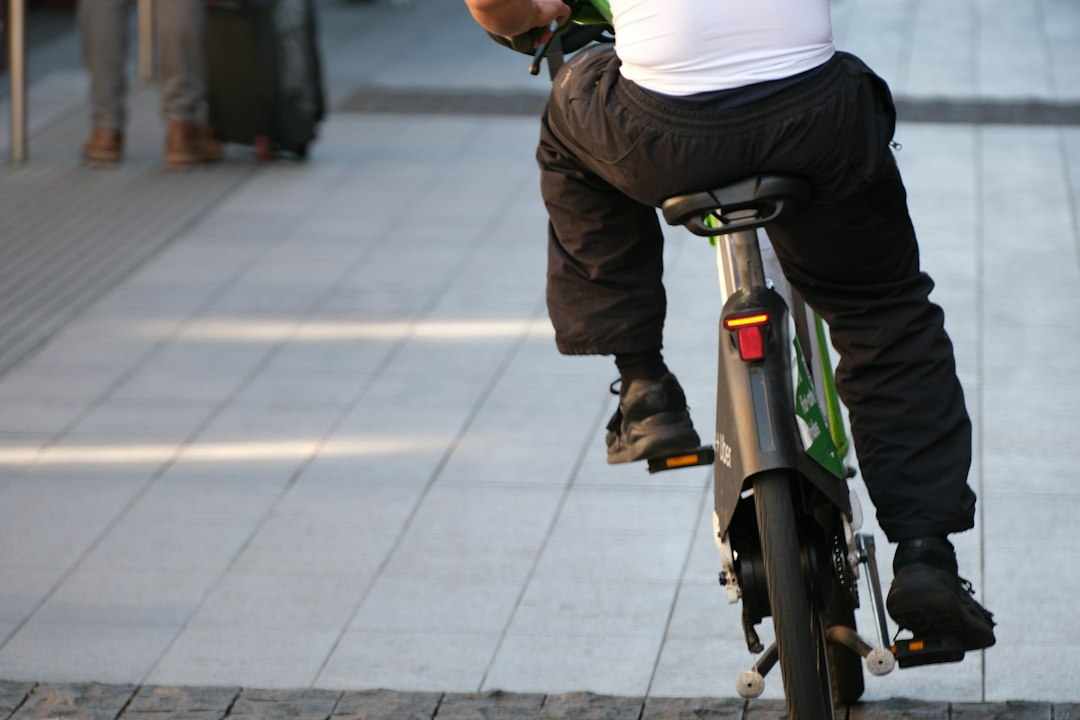
As the demand for e-bikes continues to rise, the future looks bright for this sector. With the right strategies and a commitment to safety and sustainability, e-bike operators can thrive in the evolving landscape of urban mobility.
Frequently Asked Questions
What are the key factors driving e-bike adoption in cities?
Several key factors are driving e-bike adoption, including increased urban congestion, environmental concerns, and the convenience of e-bikes as a mode of transport. Supportive policies and investments in infrastructure have also created a favorable environment for e-bike usage.
Urban transportation entrepreneurs should focus on building partnerships with local authorities to navigate regulations effectively.
How can e-bike manufacturers adapt to increasing demand?
E-bike manufacturers can adapt to rising demand by investing in research and development to enhance product features, such as safety and technology integration. Collaborating with local governments to improve infrastructure will also support their growth in urban markets.
What strategies should urban transportation entrepreneurs consider in a growing market?
Urban transportation entrepreneurs should focus on building partnerships with local authorities to navigate regulations effectively. Prioritizing safety and user experience will help build trust and differentiate them from competitors in the e-bike sector.
You may also like
 Industry & Global Trends
German Economy Growth Shapes Investments, Hiring Trends
Germany's economy is projected to grow by 1% this year, signaling potential changes in investment strategies and hiring trends that business leaders and financial analysts…
Read More →