No products in the cart.

Lime bike profits double as rider numbers surge

Lime's profits have doubled due to a significant increase in rider numbers, attributed to its expansion efforts and growing acceptance of e-bikes in urban transportation.

England — Lime, the e-bike rental service, has doubled its profits. This growth comes from a big rise in rider numbers. The company reported that its average monthly users increased by 31% to nearly 700,000. Sales also rose by a third to £148 million in 2025. This growth shows a major shift in urban transportation trends. It is an important moment for entrepreneurs in the e-bike sector.
Lime’s profit surge is due to its expansion efforts. The company added over 4,500 e-bikes and scooters to its fleet, totaling almost 38,000. Expanding into new cities like Oxford and Nottingham has helped Lime tap into the growing market for sustainable urban mobility. As cities adopt e-bikes as a real transportation option, the impact on entrepreneurs and manufacturers is significant.
Understanding the Factors Driving E-bike Adoption
Several factors are driving the rise in e-bike usage across England. First, the focus on sustainability and reducing carbon footprints makes e-bikes an attractive alternative to traditional vehicles. Urban areas face congestion and pollution challenges. E-bikes provide a convenient and eco-friendly solution for short-distance travel. According to The Guardian, Lime’s UK profits more than doubled to £4.7 million, showing the growing acceptance of e-bikes in cities.
Local governments and transportation bodies also support e-bike usage. For example, the English devolution bill passed in April gives local authorities the power to regulate rental e-bike operators. This ensures safety and accessibility standards are met. This regulatory framework legitimizes e-bike services and encourages investment and innovation. As noted by MicromobilityBiz, Lime’s record revenue shows a trend where local policies support micromobility solutions.
Lime’s partnerships with local municipalities have improved operations and user experiences. These collaborations often include designated parking areas and maintenance services. They address common concerns about e-bike rentals, such as safety and accessibility. Lime’s proactive approach with city planners has helped integrate its services into urban life, making e-bikes a staple in transportation.
Career Ahead’s analysis suggests that e-bike manufacturers can benefit by focusing on innovation and sustainability.
As a result, e-bikes are now a key part of urban transport. A recent estimate found that one in ten of the 1.5 million daily cycle journeys in London are made on dockless e-bikes like Lime. This growing acceptance shows a shift in consumer behavior. More people are choosing e-bikes over traditional transportation methods. Public awareness campaigns promoting e-bikes have also contributed to this rise.
You may also like
 Entrepreneurship & Business
Bangladesh’s $1 Billion Bond Sale: Risks and Rewards
Bangladesh's debut sovereign bond sale aims to raise up to $1 billion, marking a significant step for the country's financial landscape. This event introduces new…
Read More →With the increasing demand for e-bikes, manufacturers stand to gain significantly. Career Ahead’s analysis suggests that e-bike manufacturers can benefit by focusing on innovation and sustainability. As consumers seek eco-friendly options, the demand for advanced e-bike technology will likely grow. The market’s expansion includes rentals and opens opportunities for manufacturers to innovate in battery technology and smart features that enhance user experience.
Investment Opportunities in E-bike Technology
The current boom in e-bike usage offers a great opportunity for urban transportation entrepreneurs and investors. Lime’s recent success shows the potential profitability of e-bike services. This makes it an appealing sector for those wanting to invest in sustainable mobility solutions. Entrepreneurs can explore various options, from launching new e-bike rental services to developing technologies like battery management systems and smart parking solutions. Lime’s growing user base and revenue reflect a rising preference for e-bikes, likely attracting more investment into the sector.
Increased interest in e-bikes has led to more funding and investment in related technologies. Investors are eager to support startups that enhance the e-bike experience. This includes improved battery life, user-friendly apps, and innovative designs. This influx of capital can speed up the development of new solutions for urban commuters. As highlighted by Zagdaily, Lime’s UK revenue surged 75%, showing the financial viability of e-bike ventures.
As cities adapt their infrastructure for e-bikes, there will be more demand for services that support this transition. Entrepreneurs can explore opportunities in e-bike maintenance, charging station installations, and smart mobility solutions that connect e-bikes with public transportation. The integration of e-bikes into public transport networks is expected to create a seamless travel experience for users, boosting the appeal of e-bikes.
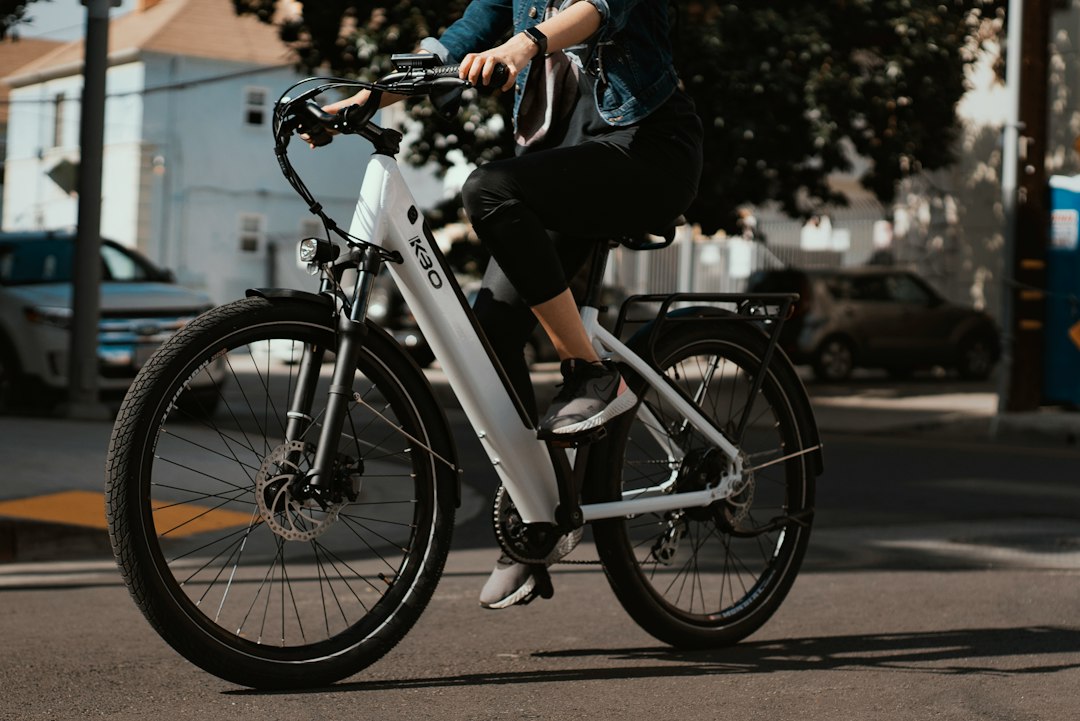
Focusing on user experience, partnerships with local governments, and commitment to sustainability will be crucial for future success.
Career Ahead research predicts significant growth in the e-bike market over the next few years. This growth indicates a favorable environment for entrepreneurs and investors to capitalize on the expanding e-bike ecosystem. By aligning their business models with urban sustainability goals, they can become leaders in this emerging market. As Lime expands its operations, its strategies may serve as a guide for other entrepreneurs. Focusing on user experience, partnerships with local governments, and commitment to sustainability will be crucial for future success.
You may also like
 Entrepreneurship & Business
Why JSW One Platforms’ IPO Matters for B2B Tech Startups
JSW One Platforms' IPO filing reflects a growing trend in B2B tech investments, particularly in the manufacturing and construction sectors. This shift highlights the increasing…
Read More →The rise of Lime and similar e-bike services highlights a broader trend in urban mobility. Startups must adapt to these changes as cities prioritize sustainable transportation options. This may involve diversifying service offerings or incorporating technology that enhances user experience. Safety concerns surrounding e-bikes are also important. Reports show that rented bikes have been involved in many accidents, raising questions about rider and pedestrian safety. Startups must prioritize safety measures, such as training users and ensuring regular maintenance of e-bikes.
The chaotic parking of rental bikes has drawn criticism from local communities. This has led to calls for better management practices. Startups will need to develop strategies to address these concerns, such as designated parking areas or technology to monitor bike locations. In this evolving landscape, adapting to changing regulations and community expectations will be crucial for urban mobility startups. As local authorities implement new licensing requirements and safety standards, startups must remain agile to thrive in this competitive market.
Lime’s success signals a shift in how urban transportation is perceived and used. As more cities embrace e-bikes, the potential for growth in this sector is immense. Entrepreneurs must be ready to seize the opportunities that arise. The future of urban transportation is set for transformation, with the e-bike sector leading this change. With increasing investments, evolving consumer preferences, and supportive regulations, the next few years could see significant advancements in e-bike technology and services.
Frequently Asked Questions
What are the key factors driving e-bike adoption in cities?
Career Ahead’s analysis identifies sustainability, government support, and changing consumer preferences as primary drivers of e-bike adoption in urban areas. E-bikes offer an eco-friendly alternative to traditional transportation, making them increasingly popular among city dwellers.
Career Ahead’s analysis identifies sustainability, government support, and changing consumer preferences as primary drivers of e-bike adoption in urban areas.
How can e-bike manufacturers adapt to increasing demand?
E-bike manufacturers can respond to rising demand by focusing on innovation and sustainability. This includes developing advanced battery technologies and user-friendly designs that cater to the needs of urban commuters.
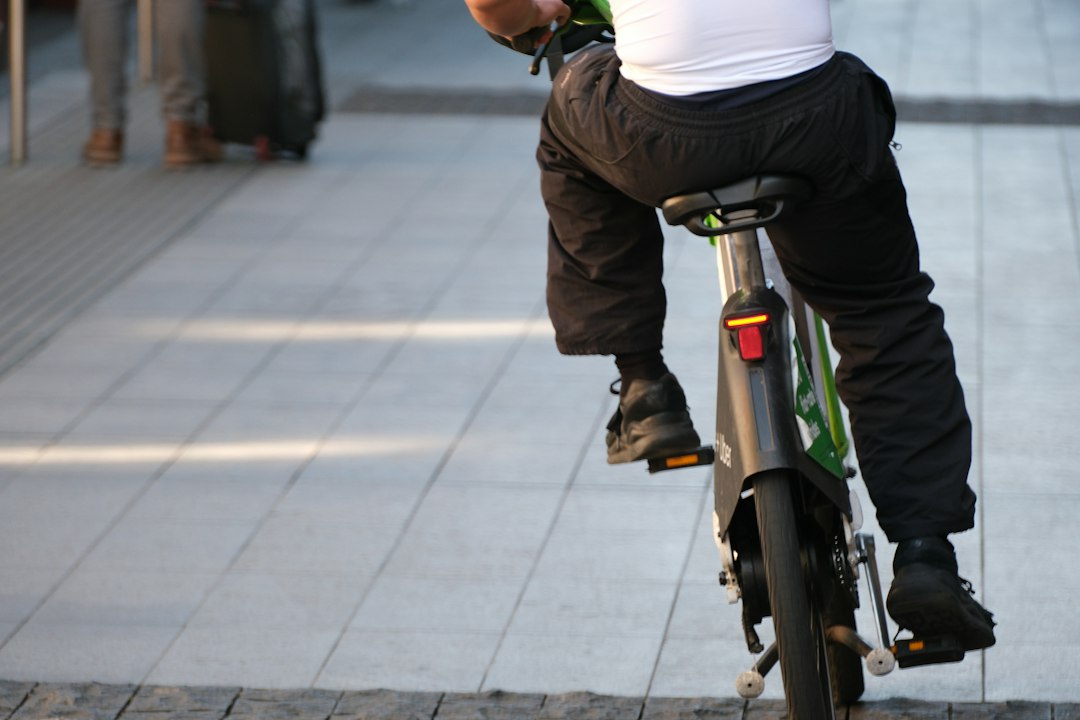
What strategies should urban transportation entrepreneurs consider in a growing market?
You may also like
 Entrepreneurship & Business
India Eyes 10% Economic Growth Potential
Finance Minister Nirmala Sitharaman asserts that India can achieve over 10% economic growth by leveraging innovation and technology across various sectors, particularly startups and agriculture.
Read More →Entrepreneurs should explore diverse service offerings, prioritize safety measures, and adapt to regulatory changes. Emphasizing user experience and sustainability will be key to thriving in the competitive e-bike market.