China's aggressive push into autonomous driving at the Beijing Auto Fair highlights its ambition to lead the global automotive market, with significant investments and innovative technologies paving the way for a new era of mobility.
Beijing, China — The Beijing Auto Fair has become a showcase for the future of mobility, particularly with the rise of autonomous driving technologies. This year, the event featured hundreds of manufacturers displaying over 1,000 vehicles, many of which boasted advanced self-driving capabilities. As car companies face declining domestic sales, they are increasingly banking on autonomous technologies as a means to innovate and capture new markets.
Chinese automotive manufacturers are not just competing domestically; they are also setting their sights on the global stage. With a unique blend of competitive pressure and technological advancement, companies like Huawei and Xpeng are making significant strides in the autonomous vehicle sector. Huawei has committed to investing 80 billion yuan (approximately $8.7 billion) over the next five years to enhance its autonomous driving software and computing capabilities. This move demonstrates a clear focus on integrating AI into the driving experience.
At the fair, Xpeng unveiled a new AI model that allows drivers to issue commands like, “park near the entrance to the shopping center,” showcasing the growing sophistication of voice-activated technologies. This not only enhances convenience but also aligns with consumer expectations for smarter vehicles. With such innovations, Chinese manufacturers aim to redefine the driving experience and set new standards in automotive technology.
Shifting Business Strategies in the Automotive Sector
The competitive landscape in China’s automotive market is fierce. Major players are investing heavily in software and computing power to develop intelligent driving systems. This trend is not merely about creating self-driving cars; it is about changing the entire business model of automotive companies. As noted by Tu Le, managing director of Sino Auto Insights, the focus is shifting from simply selling vehicles to offering additional services that generate revenue.
The Guardian reported that as domestic sales slow, manufacturers are investing in AI and seeking growth in international markets, which further emphasizes the need for innovative business strategies.
Analysts predict a challenging October for India's Nifty index due to rising US yields, volatile crude prices, and a weakening rupee. These factors are prompting…
For instance, companies are exploring subscription models for AI-powered software, allowing drivers to access advanced features without the need for a full purchase. This shift could lead to a more sustainable revenue model as manufacturers seek to adapt to changing consumer preferences and market conditions. The Guardian reported that as domestic sales slow, manufacturers are investing in AI and seeking growth in international markets, which further emphasizes the need for innovative business strategies.
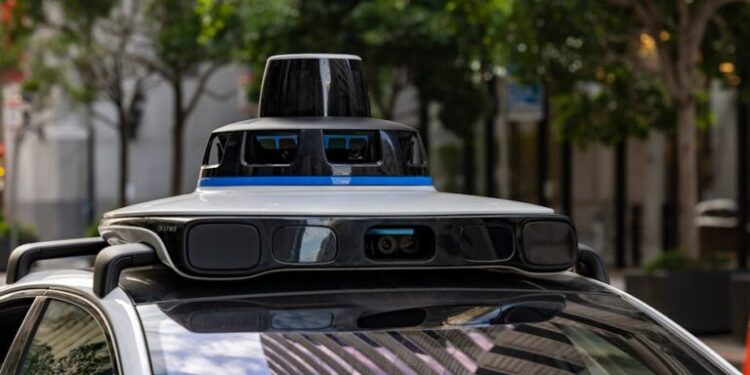
Moreover, the push for autonomous vehicles is not limited to passenger cars. Geely announced plans to deploy thousands of driverless taxis globally through its ride-hailing service, Caocao. This indicates a broader strategy among Chinese firms to compete with established players in the robotaxi market, such as Waymo in the United States. The integration of autonomous taxis into urban environments could reshape urban mobility and transportation economics.
Navigating Regulatory and Public Acceptance Challenges
While the potential for autonomous driving is immense, challenges remain. Regulatory hurdles and public acceptance are significant factors that could impact the rollout of these technologies. As the Chinese government works on establishing safety standards for autonomous vehicles, the industry must navigate these complexities to ensure successful implementation. The Guardian highlights that the regulatory landscape is evolving, but it remains a critical barrier to widespread adoption.
As domestic sales in China have seen a downturn, manufacturers are increasingly looking overseas for growth opportunities. For example, Chery, one of China’s largest car exporters, has successfully entered the UK market, selling over 13,500 vehicles in just a few months. The company aims to expand its global footprint significantly, targeting 10 million annual sales by 2030. This international focus is crucial as tariffs and trade tensions complicate entry into larger markets like the US and EU.
However, the journey to global dominance is fraught with challenges. Chinese companies must overcome skepticism and regulatory barriers in foreign markets. The recent stalling of Baidu’s Apollo Go robotaxis in Wuhan highlights the technical and regulatory obstacles that need to be addressed. Despite these setbacks, the expectation is that Chinese robotaxis will soon be operational in major cities like London, thanks to partnerships with ride-hailing giants like Lyft and Uber.
As the Chinese government works on establishing safety standards for autonomous vehicles, the industry must navigate these complexities to ensure successful implementation.
Implications for the Future of Mobility
China’s aggressive push into autonomous driving at the Beijing Auto Fair underscores the nation’s ambition to lead the global automotive market. With significant investments and innovative technologies, Chinese manufacturers are setting the stage for a new era of mobility. The implications of this shift extend beyond the automotive industry, potentially reshaping urban transport, economic models, and consumer behavior.
For young professionals and job seekers, this transformation represents new opportunities in tech and engineering fields. Those looking to enter the automotive industry may find themselves in a rapidly evolving landscape where skills in AI and software development become increasingly valuable. As the market adapts, the demand for talent capable of driving innovation will only grow.
The future of autonomous vehicles in China looks promising, but it is also filled with uncertainty. Will the regulatory frameworks catch up with technological advancements? How will public perception evolve as these vehicles become more common on the roads? The answers to these questions will shape the trajectory of not just the automotive industry, but the broader landscape of transportation in the coming years.





 Industry & Global Trends
Industry & Global Trends