


Vibe Coding: A New Era in Software Development
Generative AI is reshaping the tech landscape, with vibe coding leading this transformation. This innovative approach allows individuals with little to no coding experience to create functional applications using simple prompts. A recent example features a warehouse owner who successfully revamped his shipping software with AI, showcasing the accessibility of this technology.
As reported by Bloomberg, both professionals and hobbyists are now utilizing AI tools to write code, prompting discussions about the future of traditional software engineering roles. A director at Google Cloud AI noted that while vibe coding democratizes the coding process, it does not eliminate the need for skilled engineers. This shift is significant, as it alters the skill sets required for new hires.
Understanding Vibe Coding and Its Challenges
Vibe coding simplifies programming by leveraging AI, allowing users to create applications without extensive technical knowledge. This accessibility empowers a new generation of creators to bring their ideas to life without traditional barriers.
However, experts caution that reliance on vibe coding may lead to potential pitfalls. The quality of code generated through these methods can vary, raising concerns about security and functionality. According to acm.org, while vibe coding opens doors for many, it lacks the rigor and reliability of traditional coding practices.
Many businesses now prioritize candidates who can adapt to these new technologies over those with traditional coding skills.
Job Market Shifts Due to Vibe Coding
The rise of vibe coding is already impacting the job market for software engineers. As companies increasingly adopt AI-driven tools, the demand for junior developers is declining. Many businesses now prioritize candidates who can adapt to these new technologies over those with traditional coding skills.
This shift presents challenges for aspiring developers, who may find themselves competing against individuals capable of leveraging AI to create applications without formal training. Researchers warn that companies may be making a short-term bet by focusing on vibe coding, as the lack of foundational coding skills among new hires could lead to long-term issues in software quality and security.
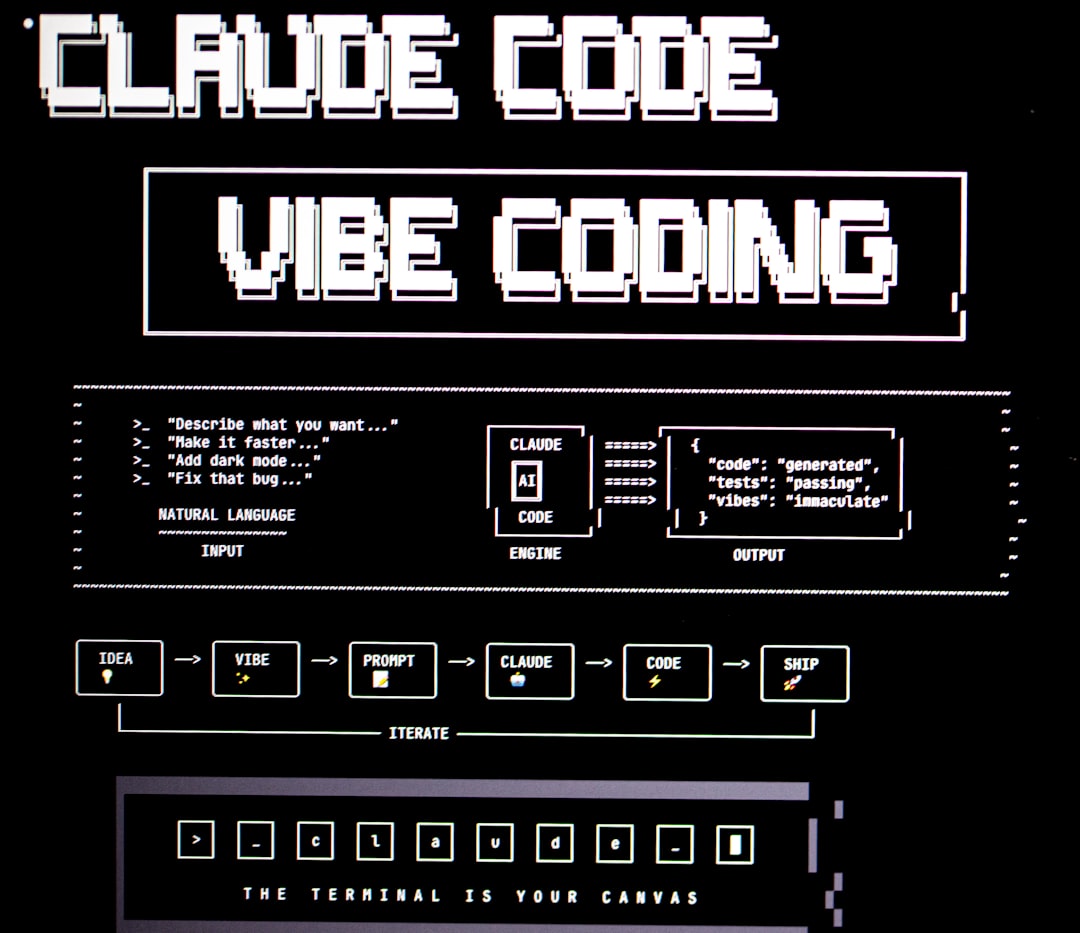
The Future of Software Engineering Roles
As vibe coding gains traction, the future of software engineering remains uncertain. While the democratization of coding can foster innovation, it raises questions about the quality and reliability of software products. The industry must navigate this balance to ensure that the benefits of vibe coding do not compromise software integrity.
Traditional software engineers may find their roles evolving as they adapt to this new landscape. Rather than being replaced, skilled engineers may oversee and enhance the output generated by AI tools, leading to a hybrid model where creativity and technical expertise coexist.
Quality Assurance in the Age of Vibe Coding
 AI & Technology
AI tools, productivity pressure and the strain of software work
AI coding tools promise faster software development, but the reality is more complicated. Developers report growing pressure to deliver sooner, while research has found that…
Read More →One pressing concern surrounding vibe coding is the quality of the code produced. While AI can generate code quickly, the potential for errors and security vulnerabilities increases. Businesses relying on software must weigh the benefits of rapid development against the risks of deploying untested code. As the tech industry embraces vibe coding, rigorous testing and validation processes become even more critical.
Researchers warn that companies may be making a short-term bet by focusing on vibe coding, as the lack of foundational coding skills among new hires could lead to long-term issues in software quality and security.
Furthermore, as reliance on AI-generated code grows, accountability for software failures may become blurred. Organizations will need to establish clear guidelines on who is responsible for the code produced by AI systems, potentially leading to legal and ethical dilemmas that the industry has yet to fully address.
Written by Career Ahead AI. AI can make mistakes, so verify key facts. Report errors to support@careeraheadonline.com.





