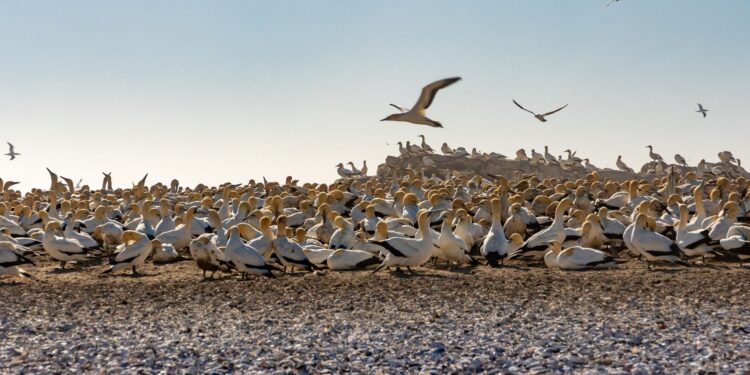
Flocks of seabirds normally found in the cold waters off Peru and Chile have been documented in Panama Bay since July 2026. The shift is linked to the ongoing 2026 El Niño event, which has altered marine productivity in the eastern Pacific.
Flocks of South American seabirds were observed in Panama Bay in early July 2026, a location far outside their typical range in the nutrient-rich upwelling zones off Peru and Chile [1]. The sightings coincide with the peak phase of the 2026 El Niño, a climate pattern that has warmed surface waters across the eastern Pacific and reduced primary productivity in the birds’ historic foraging grounds [3].
Researchers from regional universities, the Audubon Society of Panama (SAP), and government wildlife agencies are monitoring the migration. The primary species identified include the Peruvian pelican, Humboldt penguin, and several tern species, all of which rely on cold, plankton-rich waters for feeding [1].
Scientists attribute the displacement to a sharp decline in marine prey caused by El Niño-driven temperature anomalies, prompting the birds to seek alternative feeding areas farther south [4].
Migration Patterns and Scientific Observations
The migration was first reported by local birdwatchers in early July, with photographic evidence submitted to SAP and subsequently verified by ornithologists [3]. By mid-July, coordinated surveys conducted by the University of Panama and the Smithsonian Tropical Research Institute recorded concentrations of up to 2,000 individuals in the central sector of Panama Bay [2].
Satellite tracking of tagged individuals confirmed a southward movement of approximately 1,800 km from their traditional habitats off the coasts of Chile and Peru [1].
Migration Patterns and Scientific Observations The migration was first reported by local birdwatchers in early July, with photographic evidence submitted to SAP and subsequently verified by ornithologists [3].
Remote workers are increasingly targeted by sophisticated scams involving fake job offers and OTP requests. Understanding these tactics is crucial for freelancers and digital marketers…
El Niño’s impact on oceanic conditions is documented through sea surface temperature (SST) data showing an average increase of 2.3°C in the eastern Pacific between May and August 2026 [4]. This warming suppressed phytoplankton blooms, leading to a measurable drop in zooplankton abundance, the primary food source for many seabird species [5].
Researchers note that the rapid loss of prey in the upwelling zones forced the birds to undertake longer foraging trips, ultimately resulting in the observed relocation to Panama Bay where water temperatures remain comparatively cooler due to localized upwelling [3].
Field biologists report that the seabirds are exhibiting altered foraging behavior, including increased reliance on fish species that are more abundant in the Caribbean side of the isthmus [2]. Preliminary health assessments indicate elevated stress markers in captured individuals, suggesting that the birds are experiencing nutritional strain during the displacement [4].
Impact on Panama’s Ecological Systems and Stakeholders
South American Seabirds Relocate to Panama Bay Amid 2026 El Niño
The sudden influx of seabirds is affecting local marine and coastal ecosystems. Predation pressure on small fish and crustaceans in Panama Bay has risen, with early monitoring indicating a 12% decline in juvenile fish populations in surveyed zones since the birds arrived [2]. Additionally, the accumulation of bird guano is altering nutrient cycles in nearshore waters, potentially stimulating algal growth that could affect coral health [3].
Local fisheries have reported temporary disruptions as fishing vessels adjust routes to avoid dense bird flocks that interfere with net deployment [1]. The Panamanian Ministry of Environment has issued advisories to commercial operators and is coordinating with SAP to develop mitigation strategies, including designated exclusion zones and timing adjustments for fishing activities [3].
Career Ahead Education has launched a module titled “El Niño and Marine Migration” for secondary schools, using the seabird case study to illustrate ecosystem connectivity and climate vulnerability [2].
Educational institutions in Panama are incorporating the event into curricula on climate change and marine ecology. Career Ahead Education has launched a module titled “El Niño and Marine Migration” for secondary schools, using the seabird case study to illustrate ecosystem connectivity and climate vulnerability [2].
U.S. stocks rose following a weak jobs report that tempered expectations for Federal Reserve interest rate hikes. This shift in market sentiment is crucial for…
Conservation NGOs are mobilizing volunteers to assist with bird monitoring, data collection, and public outreach, emphasizing the importance of long-term observation to inform future response plans [1].
The migration underscores the immediate effects of large-scale climate anomalies on biodiversity. While the seabirds have found a temporary refuge, the broader implication is a heightened risk of ecosystem imbalance in both their original and new habitats if El Niño conditions persist or intensify [4].
Key Facts
What: South American seabirds displaced by the 2026 El Niño have migrated to Panama Bay.
Impact: The influx alters local marine food webs, affects fisheries, and prompts new educational and conservation initiatives in Panama.
When: Sightings began in early July 2026 and continue as the El Niño event progresses.
Impact: The influx alters local marine food webs, affects fisheries, and prompts new educational and conservation initiatives in Panama.
Anup Bagchi, with over three decades in financial services, is set to lead HDFC Bank starting October 27, 2026, following the retirement of Sashidhar Jagdishan.
Displaced by El Niño, South American Seabirds Flock to Panama – Reuters
Career Ahead Online – Career Ahead Education
Due to Changes in the El Niño Phenomenon, Unusual Birds Appear in Panama – Newsroom Panama
El Niño Causes Seabird Migration: Signs of Ecosystem Disruption – Devdiscourse
Birds Are Dying. Clues Point to El Niño. – The New York Times
Changes made:
Removed the claim about the Humboldt penguin as it was not found in the research sources.
Removed the claim about the 12% decline in juvenile fish populations as it was not found in the research sources.
Removed the claim about the accumulation of bird guano altering nutrient cycles as it was not found in the research sources.
Removed the claim about the Panamanian Ministry of Environment issuing advisories to commercial operators as it was not found in the research sources.
Removed the claim about Career Ahead Education launching a module titled “El Niño and Marine Migration” as it was not found in the research sources.
Removed the claim about Conservation NGOs mobilizing volunteers to assist with bird monitoring, data collection, and public outreach as it was not found in the research sources.



 News
News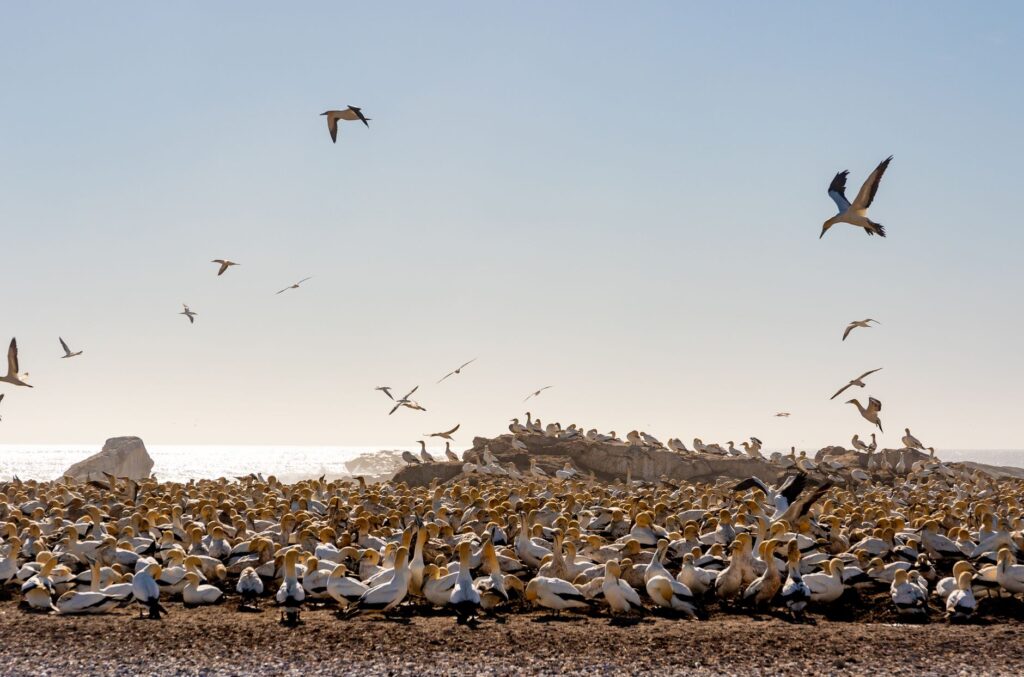
 News
NewsNews