No products in the cart.

Mamdani Rejects Bill Involving Police
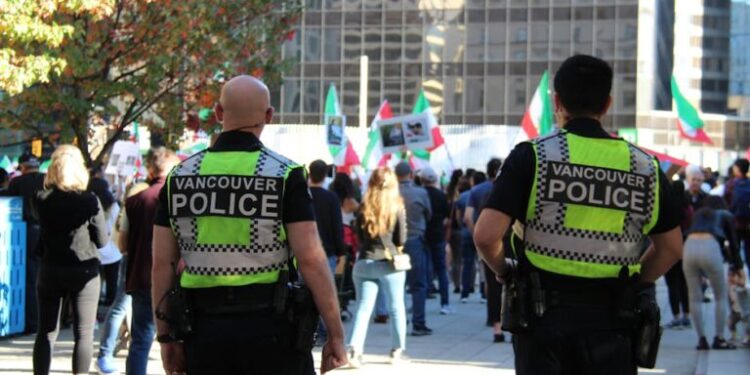
Mayor Zohran Mamdani's veto of a bill requiring police to disclose protest management plans near schools has sparked national debate on public safety versus the right to protest. This decision reflects broader tensions in urban governance and civil liberties, with implications for cities across the U.S.

Mayor Zohran Mamdani has taken a significant step in New York’s political landscape by vetoing a bill that would have mandated the police to disclose their plans for managing protests near educational facilities. This decision marks Mamdani’s first veto since taking office and has sparked intense debate about the balance between public safety and the right to protest.
The vetoed bill aimed to create buffer zones around schools during protests, requiring the New York Police Department (NYPD) to outline their strategies for ensuring safety in these areas. Mamdani expressed concerns that the bill could be misused against various groups, including labor unions and advocates for immigrant rights, stating that it could hinder their ability to organize effectively. In his veto message, he emphasized that the bill was not merely a public safety measure but could alarm many in the labor movement and advocacy groups, including those fighting for reproductive rights and immigration reform.
According to reports, nearly a dozen unions and advocacy groups voiced their concerns over the bill, arguing it could stifle free speech and the right to assemble. Mamdani’s veto reflects a broader trend in which local governments are grappling with how to manage protests while respecting citizens’ rights. As noted by the New York Times, the veto was a clear indication of the growing tensions between the City Council and the Mayor’s office, particularly with Council Speaker Julie Menin, who has indicated plans to rally support for an override of the veto.
Political Tensions and Council Dynamics
The bill was only four votes shy of achieving a veto-proof majority, illustrating the contentious political climate in New York. Menin argues that ensuring safe access to schools during protests is not controversial and emphasizes the need for clear police protocols in such situations. She believes that the bill serves to protect students from potential harassment or intimidation, a sentiment echoed by many in the community. The clash between Mamdani and Menin raises questions about the future of governance in New York. With Mamdani positioning himself as a progressive leader, the City Council’s pushback could signify a growing divide within the Democratic Party in the city.
She believes that the bill serves to protect students from potential harassment or intimidation, a sentiment echoed by many in the community.
This political struggle is not just about one bill; it reflects deeper ideological divides regarding the role of police in public safety and the rights of citizens to protest. As the Politico report highlights, Mamdani’s veto could set a precedent for how future legislation is crafted, particularly regarding public safety and civil liberties. The implications of this veto extend beyond immediate protests and could influence how cities across the country manage similar situations.
You may also like
 Industry & Global Trends
BT Expands Reach with TalkTalk Acquisition
The acquisition is seen as a strategic necessity for BT, allowing it to consolidate its position in a market that has seen increasing pressure from…
Read More →Activism and the Right to Protest
Mamdani’s decision comes at a time when the nation is witnessing a surge in protests over various social issues, from racial justice to climate change. The balance between maintaining public order and allowing free expression is increasingly under scrutiny, and this veto adds another layer to that debate. According to CBS News, the mayor’s stance reflects a growing recognition of the need to protect the rights of protesters while also considering public safety. This balancing act is crucial, especially in a city known for its vibrant activist culture.
As public sentiment evolves, the dynamics of protests may change. Activists may feel emboldened by Mamdani’s decision, viewing it as a victory for their rights. Conversely, opponents of the veto could argue that it places students at risk during protests, potentially leading to calls for stricter regulations in the future. The outcome of this political struggle could set a precedent for how cities across the country manage protests, especially in sensitive areas like schools. The implications of this veto may resonate far beyond New York, influencing policies and practices in other urban centers.
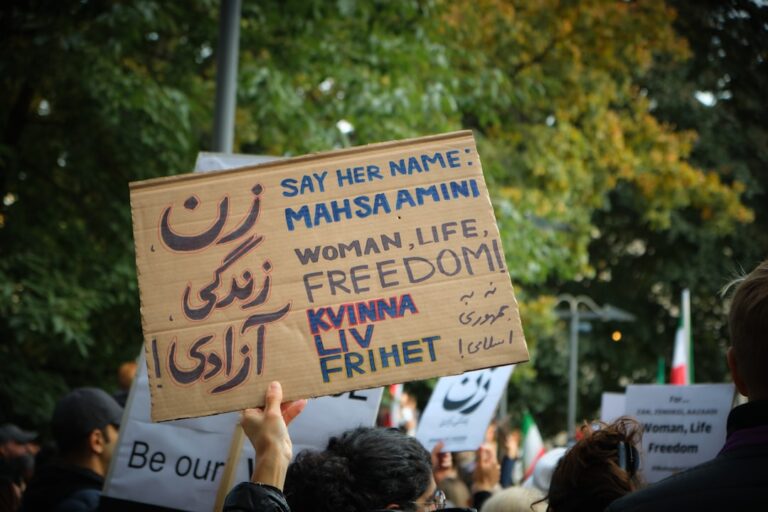
This decision impacts how protests are managed in urban areas, affecting students, educators, and activists. The ongoing debate around this veto will likely shape the landscape of civic engagement in New York and potentially across the nation. As cities navigate similar challenges, the outcomes of such political decisions will resonate with individuals seeking to express their views.
Conversely, opponents of the veto could argue that it places students at risk during protests, potentially leading to calls for stricter regulations in the future.
As the situation unfolds, the question remains: how will the City Council respond to this veto, and what will it mean for the future of protests in New York? The political landscape is shifting, and Mamdani’s bold move may very well redefine the parameters of civic engagement in the city.