No products in the cart.

Marcos Says Philippines May Need Extra Budget Amid Oil Shock
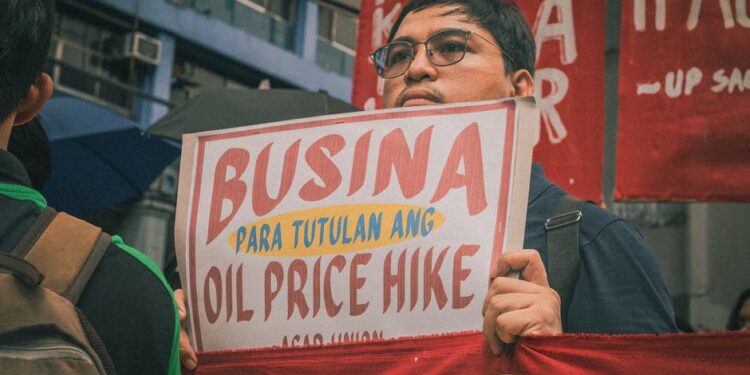
As oil prices rise, the Philippines faces increased costs that could strain its existing budget. President Ferdinand Marcos Jr. indicated on June 3, 2026, that the government is considering a supplemental budget to manage these financial challenges.

The Philippines may need to change its national budget because of rising oil prices. President Ferdinand Marcos Jr. mentioned this on June 3, 2026. The government is looking into a supplemental budget to manage the financial strain from these price increases. This adjustment could greatly impact government spending and fiscal policy.
As oil prices climb, the Philippines faces higher costs that could affect its current budget. The national budget, signed by President Marcos earlier this year, is PHP 6.793 trillion. However, due to the unexpected rise in oil prices, officials are considering extra funding to handle the economic impact. The country has already seen a significant increase in fuel prices, raising concerns about inflation and the cost of living for citizens.
Impact of Oil Price Fluctuations on National Budgets
Fluctuations in oil prices directly affect national budgets, especially in countries like the Philippines. Here, energy costs play a major role in economic stability. The recent spike in oil prices has raised worries about inflation and living costs. The government’s ability to keep fiscal balance is now under scrutiny as it faces these challenges.
According to the Philippine News Agency, the government has vetoed PHP 92.5 billion in unprogrammed appropriations to tighten public spending. This cautious approach to fiscal management may not be enough if oil prices keep rising. The need for an additional budget could force the government to rethink its spending priorities and allocation strategies. As reported by Philstar, the Marcos administration is under pressure to ensure essential services remain intact while managing the fiscal effects of rising oil costs.
Career Ahead’s analysis shows that the link between oil prices and government budgets is crucial for budget analysts and financial planners.
Career Ahead’s analysis shows that the link between oil prices and government budgets is crucial for budget analysts and financial planners. As oil prices rise, the government may need to shift funds from other sectors to cover energy costs. This could mean cuts to social programs or infrastructure projects, which would have long-term effects on the economy. Rising oil prices could also impact public sentiment, creating challenges for the Marcos administration. Citizens may demand more transparency about how the government plans to tackle these economic issues, increasing pressure on officials to justify spending decisions.
You may also like
 Government & Policy
SEBI Alerts Investors on Anonymous Tips, Finfluencers
Project Jagrook aims to combat the influence of anonymous financial advisors and so-called "finfluencers," who often provide misleading advice to unsuspecting retail investors.
Read More →The effects of rising oil prices go beyond immediate fiscal concerns. They can also influence the broader economy, including foreign investment and trade balances. As energy costs rise, businesses may face higher operational expenses. This could lead to reduced profits and potential layoffs, worsening economic challenges for the population. It is crucial for the government to act quickly and effectively.
Strategies for Reallocating Funds in Response to Economic Shocks
Given the potential need for an additional budget, the Philippine government must consider effective strategies for reallocating funds. One approach could focus on essential services and programs that directly affect the population, such as healthcare and education. By prioritizing these areas, the government can lessen the negative effects of rising oil prices on citizens.
Another strategy could involve working with stakeholders from various sectors to find areas for spending optimization. Collaborating with industry experts could help the government make informed decisions about where to cut or increase funding. This teamwork could lead to sustainable fiscal policies that meet both immediate needs and long-term economic growth. Additionally, the government might consider measures to soften the impact of rising oil prices on vulnerable populations, such as targeted subsidies or cash transfers.
This teamwork could lead to sustainable fiscal policies that meet both immediate needs and long-term economic growth.
The government may also explore alternative revenue sources to offset the effects of rising oil prices. This could include increasing taxes on luxury goods or implementing new tariffs on imports. Such measures could provide necessary funds for essential services without compromising the overall budget. According to ABS-CBN, the Marcos administration is looking into possible tax policy adjustments to boost revenue while minimizing the burden on low-income households.
You may also like
 Government & Policy
Pentagon Halts Anthropic AI Use After Blacklisting
The Pentagon has officially ceased using Anthropic's AI tools following the company's blacklisting due to national security concerns. This decision marks a significant shift in…
Read More →Career Ahead’s analysis suggests that budget analysts should monitor these developments closely to anticipate changes in fiscal policy. Understanding how the government manages rising oil prices will be critical for financial planners in the oil industry. As the situation evolves, analysts will need to adjust their forecasts and strategies. Responding effectively to these economic shocks will be vital for maintaining the Philippines’ economic stability amid global oil market volatility.
As the Philippine government considers budget adjustments, financial modeling becomes essential for predicting the impact of rising oil prices. Accurate financial models can help analysts assess potential scenarios and their effects on government spending. This proactive approach allows for better preparedness in facing economic shocks. Budget analysts can use various modeling techniques to evaluate how different oil price scenarios might affect government revenue and expenditure. For example, sensitivity analysis can show how changes in oil prices could impact key budget items like subsidies and social programs. By simulating various outcomes, analysts can provide valuable insights to policymakers.
Moreover, integrating real-time data on oil prices into financial models can improve their accuracy. This allows for timely adjustments to forecasts and spending plans, enabling the government to respond more effectively to changing economic conditions. As oil prices fluctuate, having access to up-to-date information will be crucial for making informed decisions.
In conclusion, the potential need for an additional budget due to rising oil prices presents both challenges and opportunities for the Philippine government. The actions taken in the coming months will shape the country’s economic landscape. Budget analysts and financial planners must stay vigilant and adaptable as they prepare for the implications of these developments.
Budget analysts and financial planners must stay vigilant and adaptable as they prepare for the implications of these developments.
Frequently Asked Questions
How can budget analysts prepare for unexpected oil price changes?
Career Ahead’s analysis indicates that budget analysts should develop flexible financial models that can quickly adapt to changing oil prices. This includes conducting sensitivity analyses to understand the potential impacts on government revenue and expenditure.
What financial strategies should oil industry planners consider during budget revisions?
Oil industry planners should consider diversifying revenue sources and optimizing operational efficiencies. This proactive approach can help mitigate the financial impact of rising oil prices on their budgets.

What should government budget analysts do about potential funding shortages due to oil shocks?
You may also like
 Government & Policy
US supreme court hears big oil’s bid to block climate damage lawsuits
The US Supreme Court is hearing a pivotal case that could determine the future of climate damage lawsuits against major oil companies, including Suncor Energy…
Read More →Government budget analysts should prioritize essential services and engage with stakeholders to identify areas for cost optimization. Additionally, they should explore alternative revenue sources to address potential funding shortages.