No products in the cart.

US Measles Cases Surge to 33-Year High

The alarming rise in measles cases in the US, now exceeding 2,300 in 2026, highlights the urgent need for enhanced vaccination outreach and education efforts by public health officials and pediatricians.

Measles cases in the United States have reached a critical point in 2026, with over 2,300 confirmed infections—the highest level in 33 years. The Centers for Disease Control and Prevention (CDC) has reported this alarming surge, which has affected 43 states and Washington, D.C. This situation poses serious implications for public health and vaccination policies across the nation.
The recent spike in measles cases is indicative of a significant public health crisis. Several factors have contributed to this dramatic increase in infections, including changes in vaccination policies and a growing hesitancy among parents to vaccinate their children. The CDC warns that current vaccination rates are insufficient to maintain herd immunity, which is crucial for preventing outbreaks of vaccine-preventable diseases.
Key Factors Contributing to the Measles Surge
One major factor behind the rise in measles cases is the shift in vaccine policy that occurred following Robert F. Kennedy Jr.’s appointment as Secretary of Health and Human Services. Under his leadership, significant changes were made that affected the CDC’s operations, including the dismissal of many scientists and a freeze on local health funding. These actions have weakened the public health infrastructure necessary for monitoring and controlling infectious diseases.
Additionally, a report from the International Vaccine Access Center indicates that vaccination campaigns have declined, creating gaps in coverage. Many parents are hesitant to vaccinate their children due to misinformation regarding vaccine safety. This hesitancy represents a critical barrier that public health officials must address to improve vaccination rates and prevent further outbreaks.
The World Health Organization (WHO) emphasizes that high vaccination coverage is essential for preventing measles outbreaks. The current situation in the U.S. serves as a stark reminder that vaccine-preventable diseases can quickly re-emerge when vaccination rates drop. WHO data indicates that the U.S. risks losing its measles elimination status if these trends continue.
This hesitancy represents a critical barrier that public health officials must address to improve vaccination rates and prevent further outbreaks.
Implications for Public Health Strategies
You may also like
 News
NewsAI Giant Acquires Education Presentation Startup Amid Rapid Growth in EdTech Market
The deal adds to a sector that has expanded from roughly 150 AI‑education firms in early 2023 to more than 2,800 worldwide by January 2026.
Read More →The rise in measles cases has serious implications that extend beyond immediate health concerns. Public health officials must urgently reassess and update vaccination strategies. Enhanced outreach programs are essential to educate communities about the importance of vaccinations and to dispel myths surrounding vaccine safety.
Pediatricians play a crucial role in this effort, as they are often the first point of contact for parents seeking health advice. By addressing vaccine hesitancy and providing clear, evidence-based information, pediatricians can help parents make informed decisions. This supportive approach fosters an environment conducive to discussing concerns about vaccinations.
Moreover, public health policies must adapt to the current landscape. Restoring funding for local health departments is vital to ensure they have the resources necessary to conduct effective vaccination campaigns. Policies should also encourage collaboration between healthcare providers and community organizations to reach underserved populations with limited access to vaccination services.

Recent CDC data shows that states with strong vaccination outreach programs have better compliance rates. Public health officials should leverage these successful models to implement effective strategies nationwide. By focusing on community engagement and education, public health authorities can work to reverse the trend of rising measles cases.
Public health officials should leverage these successful models to implement effective strategies nationwide.
Community Engagement and Trust Building
As the U.S. grapples with the highest measles cases in over three decades, the future of vaccination campaigns hinges on the ability of public health officials to adapt and innovate. This crisis presents an opportunity to renew focus on vaccination education and outreach. Public health campaigns must address specific community concerns, particularly in areas with high vaccine hesitancy.
In the coming months, it will be crucial to monitor how public health policies evolve in response to this outbreak. Will there be renewed funding for local health initiatives? How will officials combat the misinformation that fuels vaccine hesitancy? These questions are vital for shaping the future of public health in the U.S.
You may also like
 News
NewsIndia’s Gen-Z Protests Prompt Education Minister’s Resignation
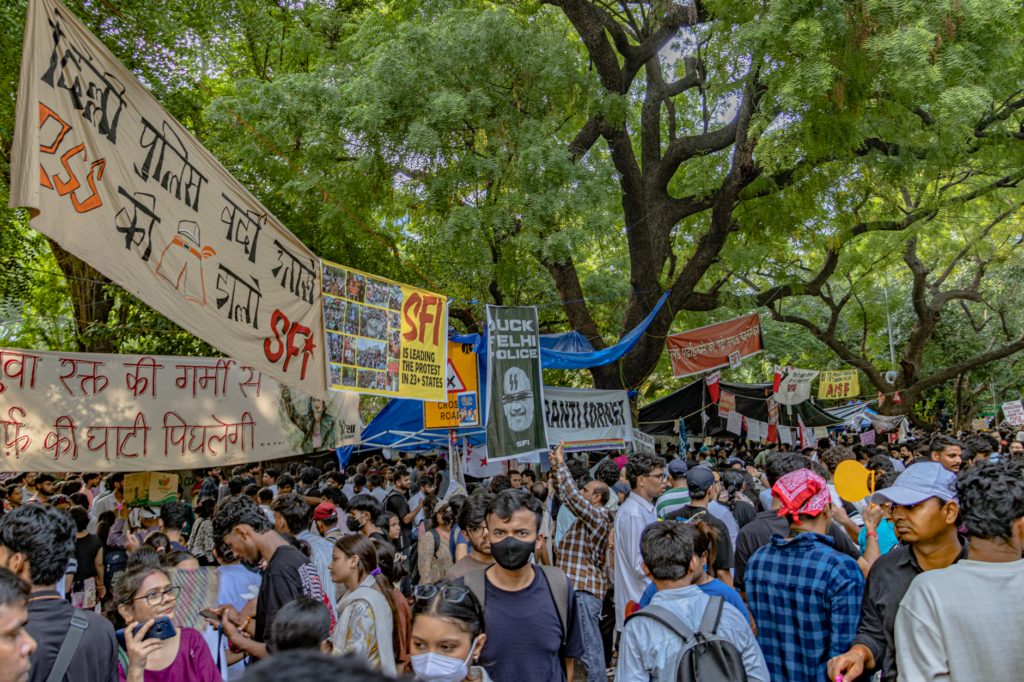
Mass rallies by students and the Cockroach Janta Party from June 6 to July 25, 2026 forced the resignation of Education Minister Dharmendra Pradhan.
Read More →Furthermore, involving community leaders and trusted figures in vaccination campaigns could help rebuild trust. Engaging these influencers can facilitate open dialogues about vaccination, helping to dispel myths and encourage vaccine uptake.
Urgent Call to Action for Health Officials
The rise in measles cases serves as a wake-up call for public health officials and healthcare providers alike. The need for improved vaccination strategies and community engagement is urgent. As the situation develops, the focus must remain on ensuring that all children receive the vaccinations they need to stay healthy and safe.
Frequently Asked Questions
What strategies can public health officials implement to combat rising measles cases?
Public health officials can enhance vaccination outreach programs, restore funding for local health departments, and engage community leaders to promote vaccine education. These strategies are crucial for addressing vaccine hesitancy and increasing vaccination rates.
Effective vaccination campaigns should focus on community engagement, tailored messaging, and collaboration with local organizations.

How should pediatricians address vaccine hesitancy among parents?
Pediatricians should provide clear, evidence-based information about vaccine safety and efficacy. Open discussions with parents about their concerns can create a supportive environment that encourages vaccination.
What are the best practices for vaccination campaigns in response to increased measles outbreaks?
Effective vaccination campaigns should focus on community engagement, tailored messaging, and collaboration with local organizations. These practices help ensure that vaccination efforts reach underserved populations and address specific concerns.
You may also like
 News
NewsKarnataka Announces India’s First Government‑Run AI University and AI Hub
Karnataka announced plans for a state‑run AI University and AI Hub, aiming to become an AI‑native state and boost its startup ecosystem.
Read More →