As market noise increases, understanding how to protect your finances is crucial. Experts share strategies to navigate current economic uncertainties and volatility.
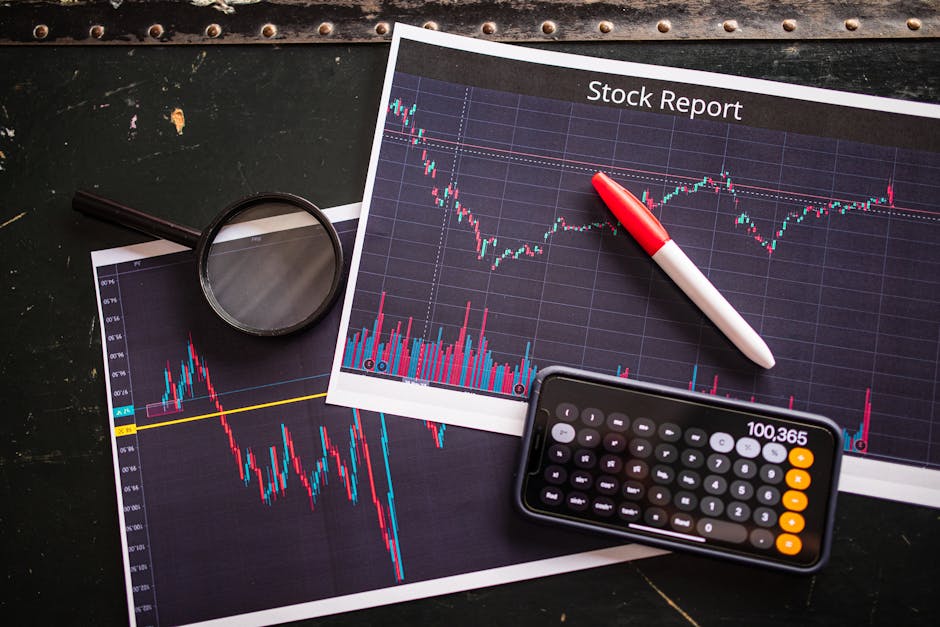
As 2026 unfolds, financial markets are experiencing heightened volatility driven by geopolitical tensions and inflation fears. This backdrop of uncertainty has left many investors feeling pressured as market fluctuations become more pronounced. Increased discussions about financial strategies to safeguard investments are now more relevant than ever.
According to Quantlake, market noise can significantly impact investor behavior, often leading to panic selling. Such reactions can exacerbate market downturns and create a cycle of volatility. Understanding the root causes of market noise is essential for investors aiming to maintain stability in their portfolios.
Furthermore, Leelyn Smith emphasizes the importance of ignoring short-term market fluctuations. Instead, investors should focus on long-term strategies that align with their financial goals. As the noise rises, the temptation to react impulsively can lead to costly mistakes.
Effective Strategies for Financial Protection
Experts suggest several strategies to help individuals navigate this turbulent financial landscape. Maintaining an emergency fund is crucial; many advisors recommend having at least 12 months of living expenses in liquid assets. This buffer can protect against unforeseen circumstances, such as job loss or medical emergencies.
Additionally, consistent investment through systematic investment plans (SIPs) is advised. Gajendra Kothari, co-founder of Etica Wealth, states that continuing SIPs during market downturns can be beneficial. This approach allows investors to buy more shares when prices are low, potentially increasing returns when the market rebounds.
Effective Strategies for Financial Protection
Experts suggest several strategies to help individuals navigate this turbulent financial landscape.
Moreover, Shyam Sekar, founder of ithought PMS, highlights the need for diversified portfolios. Investors should balance their asset allocations to include a mix of equities, bonds, and alternative investments. This diversification can help mitigate risks associated with market volatility.
Liquidity: A Key Focus for Investors
Liquidity has become a critical focus for investors amid rising market noise. Having readily available cash allows investors to take advantage of opportunities that may arise during market dips. Dilshad Billimoria, a certified financial planner, suggests maintaining at least 10-15% of a portfolio in liquid funds.
In the current environment, some experts advocate for even higher liquidity levels. Holding 18-24 months of expenses in liquid assets can provide additional security and flexibility. This strategy not only protects against immediate financial needs but also positions investors to act strategically when market conditions improve.
However, it’s essential to strike a balance between liquidity and investment growth. While cash reserves are important, over-reliance on liquid assets can hinder long-term wealth accumulation. Therefore, investors must evaluate their financial situations and adjust their liquidity accordingly.
However, it’s essential to strike a balance between liquidity and investment growth.
Decoding Market Sentiment
Market sentiment plays a significant role in shaping financial outcomes. The current climate is characterized by fear and uncertainty, which can lead to irrational decision-making among investors. Dhirendra Kumar, founder of Value Research, points out that historical data shows markets often recover after periods of panic.
According to a study by Carson Group, the average market returns six months after major geopolitical events are typically positive. This highlights the importance of maintaining a long-term perspective, even in times of crisis. Investors are encouraged to stay the course and avoid making hasty decisions based on short-term market noise.
Additionally, My Stock Secret suggests that understanding the fundamentals of investments can help investors remain grounded. By focusing on the underlying value of assets rather than market fluctuations, individuals can make more informed decisions that align with their financial goals.
Long-Term Implications of Current Market Trends
The current market noise could have lasting implications for both investors and the broader economy. As more individuals become aware of the importance of financial literacy, there may be a shift towards more conservative investment strategies. This could lead to a decrease in speculative investments and a greater focus on long-term wealth accumulation.
Educating investors about the cyclical nature of markets and the importance of patience will be crucial in navigating future uncertainties.
Moreover, the rise of digital finance tools and platforms has made it easier for individuals to manage their investments. This accessibility could empower more people to take control of their financial futures, fostering a generation of informed investors who prioritize stability over short-term gains.
However, the challenge lies in overcoming the psychological barriers that market noise creates. Educating investors about the cyclical nature of markets and the importance of patience will be crucial in navigating future uncertainties.
Written by Career Ahead AI. AI can make mistakes, so verify key facts. Report errors to support@careeraheadonline.com.
Career Ahead AI is Career Ahead Magazine's in-house AI newsroom, reporting on careers, education, jobs and business. It produces original summaries and analysis drawn from publicly available sources, with those sources credited, and operates under the editorial oversight of the Career Ahead team. AI can make mistakes, so please tell us when something looks wrong. Corrections, copyright or takedown requests…
Reliance is moving from building India's New Energy infrastructure to commercial execution. From solar manufacturing, batteries and green hydrogen to compressed biogas…
Modern banking is no longer just about financial services—it is increasingly a technology industry powered by infrastructure, artificial intelligence, and regulation. In…
Golden Visas are evolving fast—from Portugal’s policy shift to the UAE’s merit-based model. For Indians exploring global mobility, this 2025 guide compares…


 Entrepreneurship & Business

Entrepreneurship & Business