No products in the cart.

Massachusetts Enforces Tougher Clean Energy Rules for Data Centers
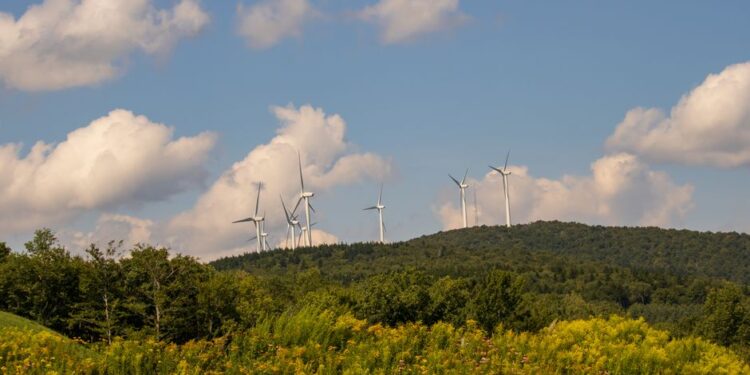
The new mandate is part of a broader trend where states are tightening regulations on data centers, which have faced increasing public scrutiny over their energy consumption and environmental impact.

Massachusetts has enacted new clean energy regulations for data centers, requiring facilities larger than 25 megawatts to either generate their own clean power or contribute to a local energy fund. This significant move, announced by Governor Maura Healey, affects the operational strategies of data center managers and cloud infrastructure engineers across the state.
The new mandate is part of a broader trend where states are tightening regulations on data centers, which have faced increasing public scrutiny over their energy consumption and environmental impact. Massachusetts is now the third state in recent months to impose stricter rules on data center operations, following similar actions by Texas and New York.
New Clean Energy Standards Explained
Under the new regulations, data centers in Massachusetts must meet stringent clean energy standards. Facilities exceeding 25 megawatts of peak demand will be required to ensure that their electricity consumption is met entirely through clean energy sources such as wind, solar, or hydroelectric power. If data center operators cannot generate this energy on-site, they will need to fund the construction of nearby renewable energy projects or contribute to a ratepayer protection fund designed to support local energy initiatives.
Governor Healey’s executive order emphasizes the need for data centers to align with the state’s clean energy goals, which mandate that a significant portion of energy consumed must come from renewable sources. By 2030, at least 40% of the total electricity used by these facilities must be derived from approved renewable sources. This requirement represents a shift from previous incentives that encouraged tech companies to set up data centers in Massachusetts. According to Bloomberg, this move reflects a growing trend among states to impose stricter regulations on energy-intensive operations.
The state’s clean energy center has outlined the operational requirements for compliance, which will include regular audits and reporting of energy use. This regulatory framework aims to ensure that data centers contribute positively to the state’s environmental goals while balancing the need for technological advancement and economic growth. As part of this initiative, the Massachusetts Clean Energy Center (MassCEC) will oversee the implementation of these standards, ensuring that data centers adhere to the new guidelines and contribute to local energy sustainability efforts.
This regulatory framework aims to ensure that data centers contribute positively to the state’s environmental goals while balancing the need for technological advancement and economic growth.
Financial and Operational Challenges Ahead
You may also like
 Government & Policy
Indian Bonds Face Turning Point
The anticipated tightening of monetary policy is particularly pertinent for financial analysts and corporate treasurers who must adapt their strategies to the evolving economic landscape.
Read More →The financial implications of these new regulations are significant. Data center operators will face increased operational costs as they invest in renewable energy solutions or contribute to local energy funds. The requirement to generate clean power on-site or fund nearby projects could lead to higher initial capital expenditures and ongoing operational costs, impacting profit margins. According to Crypto Briefing, the financial burden of compliance may also lead to a reevaluation of business models within the industry.
Furthermore, the need for compliance with these regulations may necessitate hiring additional staff with expertise in energy management and regulatory compliance. Data center managers and cloud infrastructure engineers will need to develop new skill sets to navigate this evolving landscape. Career Ahead research finds that professionals in these fields may need to focus on energy management skills and compliance strategies to remain competitive in the job market. This shift could also lead to increased demand for consultants and experts in renewable energy solutions, creating new job opportunities within the sector.
Additionally, the shift towards clean energy may lead to increased competition among data centers to attract clients who prioritize sustainability. As companies become more environmentally conscious, they may prefer to partner with data centers that can demonstrate a commitment to renewable energy and sustainable practices. This trend could reshape the market dynamics within the data center industry, with those that invest in clean energy solutions gaining a competitive edge. The potential for long-term cost savings through energy efficiency and renewable sourcing may also appeal to businesses looking to reduce their overall operational costs.

Broader Implications for the Industry
The new clean energy regulations in Massachusetts represent a significant shift in how data centers operate. The emphasis on sustainability and compliance will require data center managers to rethink their operational strategies and financial planning. As the industry adapts, the focus on clean energy will likely influence investment decisions, operational practices, and partnerships within the tech ecosystem.
The implications of Massachusetts’ clean energy mandate extend beyond the state’s borders, reflecting a growing trend among states to impose stricter regulations on data centers. As public sentiment shifts against the energy consumption of these facilities, other states may follow suit, leading to a nationwide reevaluation of data center operations and energy sourcing. This trend could lead to a more standardized approach to data center regulations, with states adopting similar clean energy mandates to address environmental concerns.
As the tech industry grapples with these changes, the demand for skilled professionals in energy management and compliance is expected to rise.
You may also like
 Government & Policy
Fed, ECB Minutes to Show Inflation Fears as Hike Bets Fade
This development is crucial for understanding the current economic landscape. The Fed's and ECB's communications suggest that inflation remains a top priority, impacting their decisions…
Read More →In Texas, for instance, Governor Greg Abbott has introduced requirements for new data centers to undergo audits by the public utility commission, signaling a broader push for accountability in energy use. Similarly, New York has halted the construction of new data centers exceeding 50 megawatts, indicating a tightening regulatory environment across the country. As the tech industry grapples with these changes, the demand for skilled professionals in energy management and compliance is expected to rise. Data center managers and engineers will need to stay informed about evolving regulations and develop strategies to meet them effectively.

The future of data centers in Massachusetts and beyond hinges on the ability of these facilities to adapt to new energy standards and contribute to a sustainable future. As the industry evolves, the focus on clean energy will likely reshape how data centers operate and interact with their communities. What remains to be seen is how quickly data centers can implement these changes and what impact this will have on their operational models and financial viability in the long run.
Frequently Asked Questions
What are the new clean power rules for data centers in Massachusetts?
Massachusetts has introduced new regulations requiring data centers larger than 25 megawatts to generate their own clean power or contribute to a local energy fund. Facilities must meet 100% of their electricity demand with renewable energy sources.
Facilities must meet 100% of their electricity demand with renewable energy sources.
How can data center managers comply with new energy regulations?
Data center managers can comply by investing in on-site renewable energy generation or by funding local clean energy projects. They will also need to ensure regular audits and reporting to meet compliance requirements.

What strategies should cloud infrastructure engineers adopt to meet clean energy standards?
Cloud infrastructure engineers should focus on enhancing energy efficiency, exploring renewable energy technologies, and developing partnerships with local energy providers. Staying informed about regulatory changes will also be crucial for compliance.
You may also like
 Government & Policy
Korea Orders Security Checks After Finance-Sector Data Breaches
The government’s directive requires financial institutions to implement comprehensive security protocols to protect customer data and maintain trust in the financial system.
Read More →