No products in the cart.

MERCOSUR Trade Expansion Opens Doors for Export Managers
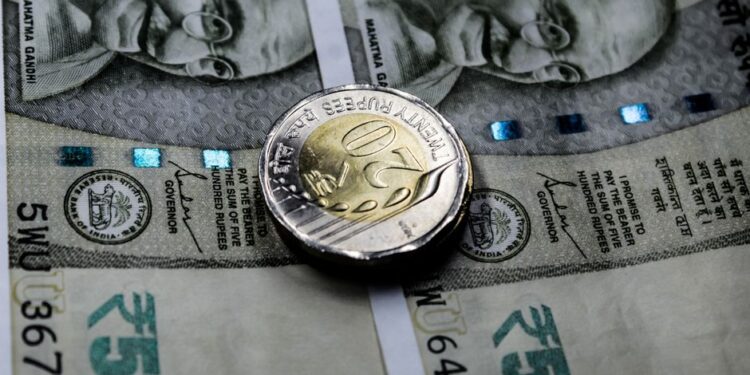
The expansion of the MERCOSUR trade agreement with India is set to create new opportunities for Indian exporters, particularly in pharmaceuticals, textiles, and agriculture, while enhancing trade balances and streamlining logistics.

India and MERCOSUR are set to expand their preferential trade agreement (PTA) signed in 2009. This agreement aims to strengthen economic relations and create more opportunities for both regions. Commerce Minister Piyush Goyal and Uruguay’s Foreign Affairs Minister Mario Lubetkin announced negotiations on September 14, 2026. This marks a key step in boosting trade ties between India and the MERCOSUR bloc, which includes Argentina, Brazil, Paraguay, and Uruguay.
The current PTA covers about 450 tariff lines from India and 452 from MERCOSUR. Tariff concessions range from 10% to 100%. However, the agreement has faced criticism for its limited scope, especially since it excludes services, which are crucial for modern economies. Expanding this agreement could unlock more trade potential, helping India diversify its export markets and reduce its trade deficit with MERCOSUR countries.
New Markets and Export Opportunities
The trade agreement’s expansion is expected to open new markets for Indian goods in MERCOSUR countries. India’s exports to MERCOSUR reached $8.12 billion in the 2024-25 period. With the expanded agreement, this figure could rise significantly. Research from Career Ahead suggests that sectors like pharmaceuticals, textiles, and agricultural products could gain better access to these markets.
Additionally, the agreement aims to streamline trade by using electronic certificates of origin. This will modernize customs procedures and cut the time and cost of exporting goods. This shift towards digital documentation aligns with global trade trends, making it easier for Indian exporters to handle international trade complexities.
Insights from insightsonindia.com indicate that the expansion could improve trade balances for India. Historically, India has faced challenges in MERCOSUR due to high tariffs and logistical issues. By tackling these barriers, Indian exporters can boost their competitiveness and potentially increase their market share.
Moreover, increased engagement with MERCOSUR can help Indian businesses diversify their export strategies.
Moreover, increased engagement with MERCOSUR can help Indian businesses diversify their export strategies. This diversification is essential for export managers as they adapt to the changing dynamics of global trade.
You may also like
 Industry & Global Trends
Nifty 50 companies likely to log strong double-digit growth in Q2
Nifty 50 companies are projected to achieve strong double-digit growth in Q2 2023, driven by key sectors like automobiles, banking, and oil, amidst a recovering…
Read More →
Changes in Tariff Structures and Trade Dynamics
As the agreement expands, we expect significant changes in tariff structures. The current concessions vary widely, but the new framework aims to offer better terms for Indian goods. Financialexpress.com notes that these changes could lower the cost of Indian products in MERCOSUR markets, making them more appealing to consumers and businesses.
Furthermore, moving towards a comprehensive free trade agreement (FTA) covering goods, services, and investments could enhance market access. This transition would lower trade barriers and encourage foreign investment in India, crucial for sustained economic growth. Reduced tariffs on Indian exports can lead to a more balanced trade relationship, benefiting both sides.
However, export managers must prepare for the implications of these tariff changes. Lower tariffs may increase competition, especially from other countries exporting to MERCOSUR. Export managers need to understand the competitive landscape and adjust their pricing strategies accordingly.
Career Ahead analysis finds that expanding the PTA could significantly increase trade volumes.
Career Ahead analysis finds that expanding the PTA could significantly increase trade volumes. However, it also presents challenges in compliance and regulatory requirements. Export managers must stay informed about evolving regulations to ensure smooth operations and avoid pitfalls in the export process.
Impact on Supply Chain Management and Logistics
You may also like
 Industry & Global Trends
In Race With U.S., China Struggles to Recruit Foreign A.I. Researchers | Career Outlook
China's efforts to attract foreign AI researchers are hampered by salary disparities, job security concerns, and geopolitical tensions with the U.S., which continues to dominate…
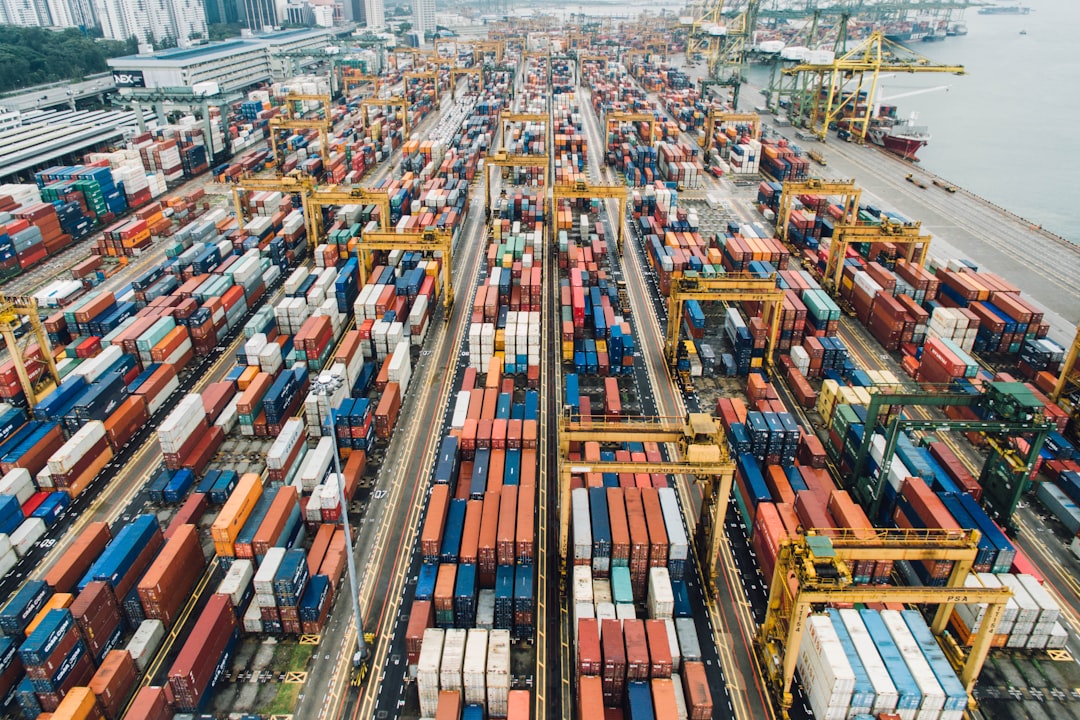
Read More →The trade agreement’s expansion will greatly impact supply chain management and logistics for Indian exporters. Current logistical challenges, such as high shipping costs and customs delays, could improve with streamlined processes. The shift to electronic documentation is a positive step, as it can reduce processing times significantly.
As trade volumes rise, export managers will need to reassess their supply chain strategies. This includes evaluating partnerships with logistics providers and exploring alternative shipping routes to optimize costs and delivery times. Efficient supply chains will be crucial for maintaining competitiveness in MERCOSUR markets.
Additionally, modernizing customs procedures through the new protocol will likely lead to a smoother flow of goods. This improvement is vital for effective inventory management and meeting customer demands promptly. Export managers must adapt their logistics strategies to align with these changes, ensuring swift responses to market dynamics.
The future of trade relations between India and MERCOSUR looks promising.
Ultimately, expanding the PTA with MERCOSUR is a pivotal moment for Indian exporters. It opens new markets and requires reevaluating existing strategies to seize the opportunities this agreement presents.
The future of trade relations between India and MERCOSUR looks promising. However, it will require careful navigation of the new landscape. Export managers must remain vigilant and adaptable to the changes that will unfold as the agreement is fully implemented.
Frequently Asked Questions
What new markets will open for Indian exports due to the MERCOSUR agreement?
The expansion of the MERCOSUR agreement is expected to open new markets for Indian goods, especially in pharmaceuticals, textiles, and agriculture. This will give Indian exporters better access to MERCOSUR countries, increasing their market opportunities.
How will tariff changes impact trade between India and MERCOSUR?
You may also like
 Industry & Global Trends
Paramount and Warner Bros Form Skydance Powerhouse
The merger of Paramount Pictures and Warner Bros has created Skydance, a new Hollywood giant, poised to reshape the entertainment landscape.
Read More →Tariff changes are expected to lower the cost of Indian products in MERCOSUR markets, making them more competitive. This could lead to increased trade volumes and a more balanced trade relationship between India and MERCOSUR.
What should export managers do to prepare for the expanded trade agreement?
Export managers need to stay informed about regulatory changes and adapt their strategies accordingly. This includes reassessing supply chain logistics and understanding the competitive landscape in MERCOSUR markets.