No products in the cart.

Meta Opens Muse Glimmer AI Model for All

Meta has open-sourced its Muse Glimmer AI model, a significant shift towards open-source principles in AI development. This model, featuring 30 billion parameters, is designed for efficient on-device execution, making it accessible to a broader range of developers and fostering innovation in the AI landscape globally.

Meta has open-sourced its Muse Glimmer AI model, according to a recent announcement by CEO Mark Zuckerberg. This move is part of a broader commitment to open-source principles in AI development, which Zuckerberg emphasized as vital for empowering individuals and preventing the centralization of AI technologies.
The Muse Glimmer model features 30 billion parameters and is designed to run efficiently on laptops, making it accessible for a wider range of developers. The model’s release is seen as a strategic shift for Meta, which had previously focused on closed-source models. Zuckerberg’s announcement also highlighted the importance of open-source AI in fostering innovation and collaboration among developers.
Unlocking New Opportunities for AI Researchers and Developers
The open-sourcing of the Muse Glimmer AI model provides AI researchers and machine learning engineers with a powerful tool for experimentation and development. With access to advanced AI capabilities, developers can integrate Muse Glimmer into their projects, potentially enhancing their applications with sophisticated AI features. This model is particularly relevant for developers working on applications that require real-time processing and decision-making, as its efficient design allows for on-device execution.
Career Ahead’s analysis finds that this move aligns with a growing trend in the tech industry towards open-source models. As more companies adopt open-source strategies, the landscape of AI development is shifting globally. Developers are now encouraged to collaborate, share insights, and build upon each other’s work, leading to faster innovation cycles. The collaborative environment fostered by open-source initiatives is essential for addressing complex challenges in AI, such as bias and ethical considerations, which have become increasingly prominent in discussions surrounding AI technologies.
Furthermore, the Muse Glimmer model’s design allows for on-device execution, which is particularly relevant for developers focused on mobile and edge computing. This capability opens new avenues for creating applications that leverage AI without relying heavily on cloud infrastructure, thus reducing latency and improving user experience. As noted by TechCrunch, the model’s architecture is optimized for various devices, making it a versatile tool for developers across different platforms.
This collaborative spirit is crucial as the industry faces increasing demands for ethical AI practices and transparency in model development.
As AI models become more accessible, developers can experiment with different training techniques and data sets. This flexibility enables them to tailor AI solutions to specific needs, fostering a more diverse range of applications across industries. The Muse Glimmer model’s open-source nature encourages a community-driven approach, where developers can contribute to its improvement and share their findings. This collaborative spirit is crucial as the industry faces increasing demands for ethical AI practices and transparency in model development.
The Future of AI Model Training Techniques
Meta’s decision to open-source Muse Glimmer also raises questions about the future of AI model training techniques. As developers gain access to advanced models, they can experiment with innovative training methods that may lead to breakthroughs in AI performance. The implications of this shift are significant, as it democratizes access to powerful AI tools that were previously available only to large organizations with substantial resources.
One of the key aspects of the Muse Glimmer model is its ability to learn from larger models through a technique known as model distillation. This approach allows a smaller model to acquire knowledge from a more complex one, making it possible for developers to create efficient AI solutions without extensive computational resources. This technique could significantly lower the barrier to entry for smaller companies and individual developers, enabling them to compete in the AI space more effectively.
Career Ahead’s research indicates that this model distillation technique could democratize access to high-performing AI. By enabling smaller organizations and individual developers to utilize sophisticated models, the gap between large tech companies and smaller players may begin to close. This shift could lead to a more competitive landscape, where innovation is driven by a diverse array of contributors. As highlighted by CNBC, the open-source nature of Muse Glimmer allows for rapid iteration and improvement, as developers can build upon each other’s work and insights.
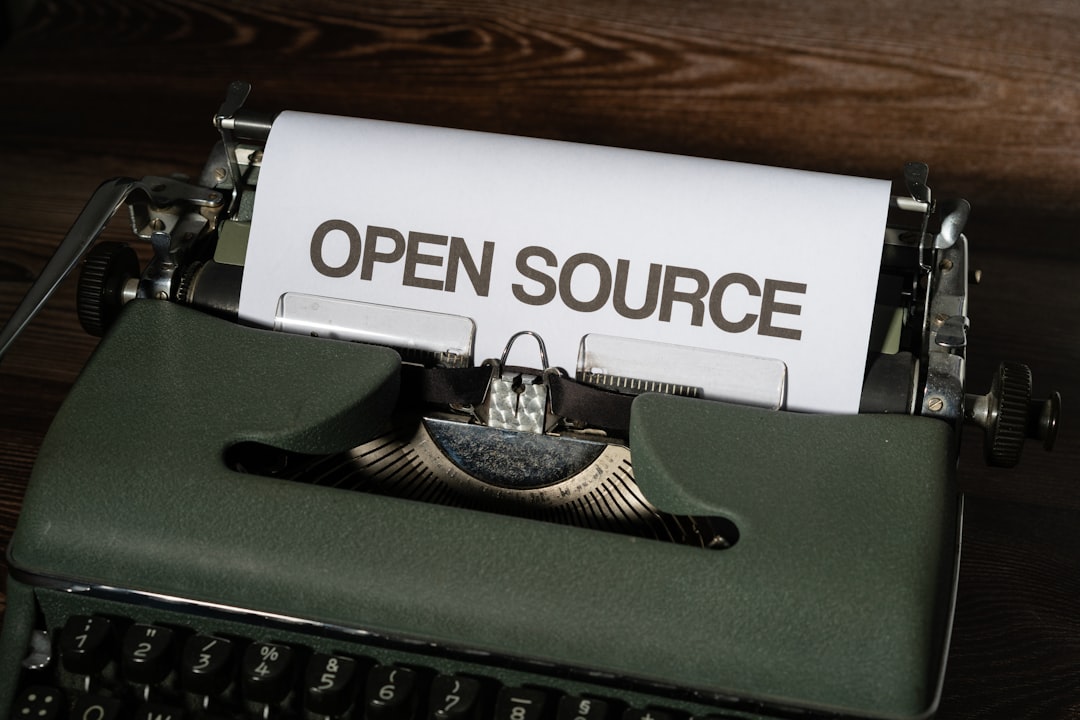
Career Ahead’s research indicates that this model distillation technique could democratize access to high-performing AI.
Additionally, the implications of open-sourcing AI models extend beyond technical capabilities. It encourages a dialogue about the ethical considerations surrounding AI development. As more developers engage with open-source models, they can collectively address issues related to bias, accountability, and transparency in AI systems. This collaborative effort is essential for building trust in AI technologies, especially as they become more integrated into everyday life.
Looking ahead, the impact of Muse Glimmer on AI model training techniques could be profound. As developers leverage this model to create new applications, we may see a surge in AI solutions that prioritize user privacy and ethical considerations. This evolution will be essential as the industry navigates the complexities of AI governance and public trust. Meta’s push for open-source AI also invites scrutiny of existing policies that govern AI development. Zuckerberg’s comments on the need for the U.S. to rethink its approach to open-source AI highlight the potential barriers that innovators face. By advocating for reduced restrictions on training data, Meta aims to foster an environment where creativity and innovation can flourish.
As the AI landscape evolves, developers must stay attuned to these changes and their implications for their work. The Muse Glimmer model serves as a catalyst for this transformation, encouraging a new wave of experimentation and collaboration. Ultimately, the open-sourcing of the Muse Glimmer AI model is a significant development in the AI field. It empowers developers with advanced tools and promotes a collaborative approach to AI innovation. As the industry continues to evolve, the potential for groundbreaking applications and ethical advancements in AI remains high.
Frequently Asked Questions
What are the key features of the Muse Glimmer AI model?
The Muse Glimmer AI model boasts 30 billion parameters and is designed for on-device execution, making it accessible for developers working on various platforms. Its open-source nature allows for experimentation and collaboration among AI researchers and engineers.
Additionally, they should evaluate the community support and documentation available for the model to ensure effective implementation.
How can ML engineers integrate open-source models into their workflows?
ML engineers can integrate open-source models like Muse Glimmer by downloading the model weights and incorporating them into their existing projects. This integration allows for enhanced AI capabilities and fosters innovation through collaborative development.
What should AI researchers consider when using open-source AI models?
AI researchers should consider the ethical implications of using open-source models, including potential biases and transparency in model training. Additionally, they should evaluate the community support and documentation available for the model to ensure effective implementation.
Written by Career Ahead AI. AI can make mistakes, so verify key facts. Report errors to support@careeraheadonline.com.