No products in the cart.

Meta’s AI Tamagotchi Revolutionizes User Interaction

Meta's AI Tamagotchi is set to revolutionize how users interact on social media platforms. This initiative highlights a shift towards personalized experiences, impacting AI product managers and game developers significantly.

Meta has launched its AI Tamagotchi initiative, introducing a personal AI agent named Muse that is quickly gaining traction in the social media landscape. This device, designed to resemble a Tamagotchi, aims to enhance user engagement by offering personalized interactions. The announcement came on September 25, 2026, during the Disrupt 2026 event, where Meta’s AI strategies were highlighted as a significant advancement in consumer technology.
This initiative is particularly relevant as the competition in the AI sector intensifies. Major players like OpenAI and Anthropic are also releasing new models, but Meta’s approach focuses on creating a device that integrates seamlessly into daily life. The Muse AI, which will be available in a wearable format, is designed to foster a deeper connection between users and their digital environments.
The Shift Towards Personalized AI Experiences
Meta’s AI Tamagotchi reflects a broader trend in technology where user personalization is becoming essential. As users seek more engaging and tailored experiences, AI-driven products like Muse are positioned to meet these demands. According to research from Career Ahead, personalized AI interactions can significantly increase user satisfaction and retention rates on social media platforms.
Moreover, the integration of AI into everyday devices is not just a novelty; it represents a fundamental shift in how users interact with technology. Game developers and AI product managers must now consider how to design applications that leverage this trend. By creating more immersive and interactive experiences, they can enhance user engagement and satisfaction.
For instance, the Muse device will not only respond to user queries but also engage users in a playful manner, reminiscent of the original Tamagotchi. This gamification element is crucial, as it encourages users to interact more frequently and meaningfully with the AI. As noted by CNET, this playful interaction model can lead to increased daily engagement on social media platforms, making it a valuable strategy for developers.
Career Ahead’s analysis finds that the introduction of Muse aligns with a growing expectation among users for technology that understands and adapts to their preferences. This trend indicates that AI product managers must prioritize personalization in their development processes to stay competitive in the evolving market.
This trend indicates that AI product managers must prioritize personalization in their development processes to stay competitive in the evolving market.
As the Muse AI becomes more integrated into users’ lives, the potential for data collection and analysis also increases. This could lead to more refined user profiles, enabling even greater personalization. However, it also raises questions about privacy and data security, which developers must navigate carefully.
Gamification and User Engagement Strategies
The concept of gamification is central to Meta’s AI Tamagotchi initiative. By incorporating game-like elements into social media interactions, Meta aims to create a more engaging user experience. This strategy not only attracts users but also encourages them to spend more time on the platform, which is a primary goal for social media companies.
Game developers, in particular, can learn from this approach. By integrating AI into their games, they can create dynamic experiences that adapt to player behavior and preferences. For example, AI can be used to adjust difficulty levels, provide personalized challenges, or even create unique storylines based on player choices. This level of customization can significantly enhance the gaming experience and keep players engaged for longer periods.
Furthermore, the Muse AI’s ability to interact with users in a playful manner can inspire game developers to create more interactive and responsive environments. As noted by GameRant, the success of the AI Tamagotchi could set a precedent for future game development, where user interaction is not just about gameplay but also about emotional engagement with AI characters.
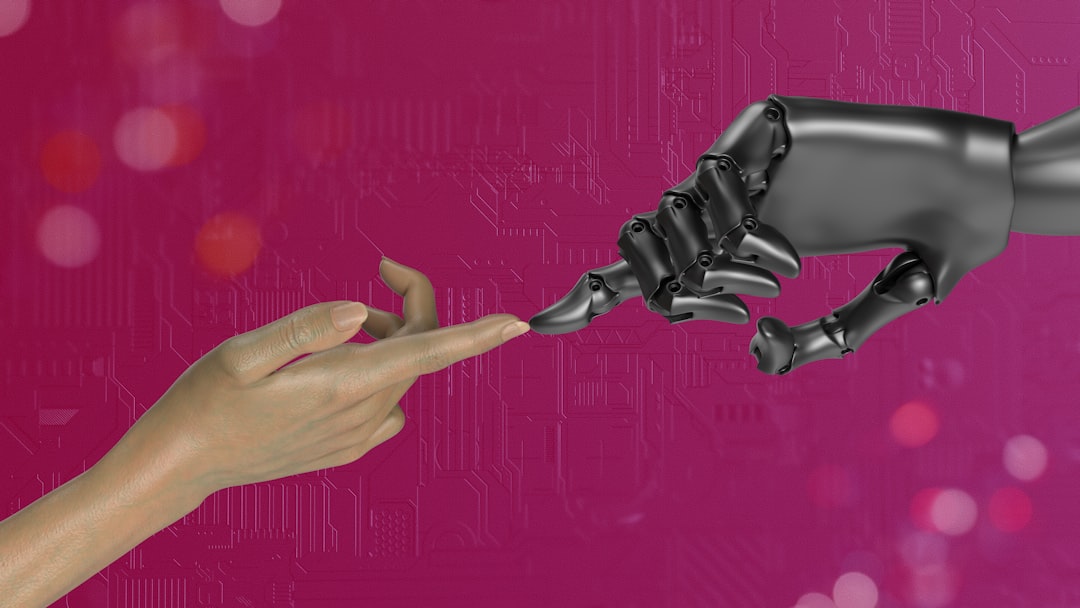
As noted by GameRant, the success of the AI Tamagotchi could set a precedent for future game development, where user interaction is not just about gameplay but also about emotional engagement with AI characters.
As AI technology continues to evolve, the potential for gamification in social media and gaming will likely expand. Developers who can effectively harness this technology will be better positioned to attract and retain users. The key will be to find a balance between fun and functionality, ensuring that gamified experiences enhance rather than detract from the core purpose of the platform.
In this context, Career Ahead’s research indicates that companies focusing on gamification strategies can expect a notable increase in user engagement metrics. This data-driven approach to development will be crucial for staying relevant in an increasingly competitive landscape.
As Meta’s AI Tamagotchi initiative continues to unfold, it is essential for AI product managers and game developers to stay informed about these emerging trends. The success of Muse could pave the way for new standards in user interaction, setting benchmarks for future AI applications in social media.
Looking ahead, the landscape of social media and gaming is likely to be transformed by the integration of AI-driven personalization and gamification. As users demand more engaging experiences, the challenge for developers will be to innovate continuously while addressing the ethical implications of data use and user privacy.
AI product managers should focus on personalization, engagement, and user feedback mechanisms.
Frequently Asked Questions
What features should AI product managers consider for interactive AI products?
AI product managers should focus on personalization, engagement, and user feedback mechanisms. Incorporating gamification elements can also enhance user interaction, as seen in Meta’s AI Tamagotchi initiative.
How can game developers integrate AI into social media applications?
Game developers can integrate AI by creating dynamic and responsive environments that adapt to user behavior. This includes using AI for personalized challenges and interactive storytelling, similar to the features offered by Meta’s Muse AI.

What are the best practices for gamifying user experiences in AI-driven platforms?
Best practices for gamifying experiences include incorporating playfulness, providing rewards for user engagement, and ensuring that the gamification elements enhance the overall user experience without overwhelming the primary function of the platform.
Related Articles
- Nvidia’s Investment Fuels Lambda’s Chip Procurement Strategy
- The Impact of OpenAI’s Jalapeño Chip on AI Workflows
Written by Career Ahead AI. AI can make mistakes, so verify key facts. Report errors to support@careeraheadonline.com.