Employers are confronting a hidden health driver as gut‑brain science links microbiome diversity to employee anxiety, focus and productivity, prompting firms to embed nutrition and wellness into talent strategies.
The surge in corporate mental‑health initiatives coincides with a tech‑heavy work environment that intensifies stressors and reduces physical activity, amplifying the relevance of gut health. This convergence forces leaders to address a biological substrate that underpins cognitive performance, making microbiome stewardship a structural lever for economic mobility and institutional power.
Framing the emerging health‑productivity nexus
Employers now rank employee well‑being as a strategic priority, with three‑quarters of organizations citing it as essential to talent retention. Simultaneously, the Pew Research Center notes that the “new normal” of 2025 will be markedly more tech‑driven, extending screen time and blurring work‑life boundaries. These twin forces create a systemic pressure on mental health, while scientific consensus highlights the gut‑brain axis as a physiological conduit through which microbiome composition influences mood and cognition. By situating microbiome diversity within the broader shift toward digital workplaces, the analysis uncovers a structural determinant that transcends traditional ergonomics and benefits programs.
Core mechanism: gut‑brain signaling and microbial variety
Microbiome Diversity Shapes Workplace Mental Health and Output
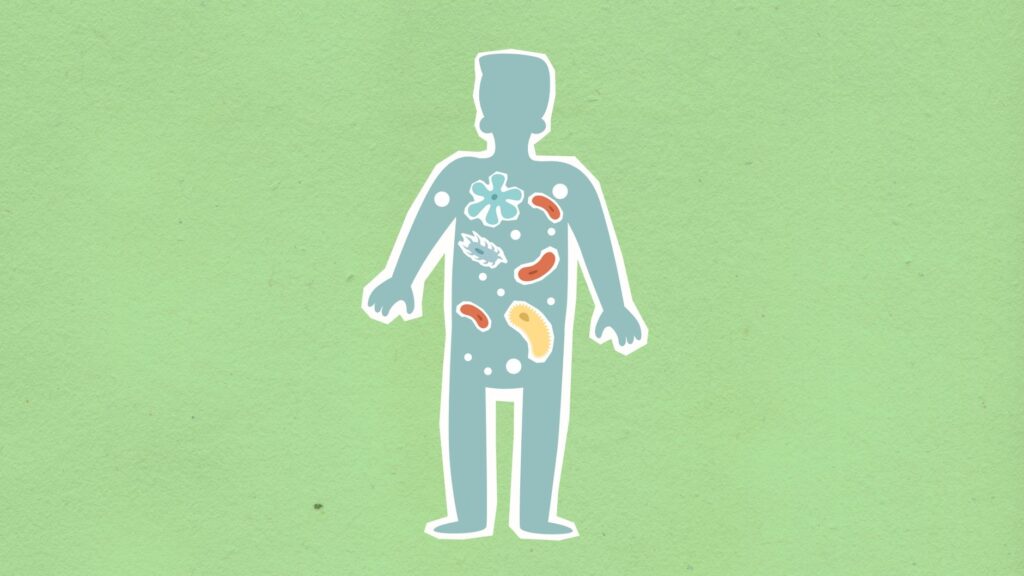
A diverse gut ecosystem sustains a resilient gut‑brain axis, producing short‑chain fatty acids, neurotransmitters such as serotonin and gamma‑aminobutyric acid, and immune modulators that collectively regulate stress response. When microbial diversity wanes—a condition known as dysbiosis—the gut barrier can become permeable, triggering systemic inflammation that impairs neural pathways linked to attention and emotional regulation. Academic reviews confirm that reduced microbial heterogeneity correlates with heightened anxiety and depressive symptoms, independent of lifestyle factors. According to Career Ahead’s analysis of peer‑reviewed literature, organizations that ignore microbiome health risk a measurable share of productivity loss attributable to suboptimal mental performance.
Systemic implications for organizational performance
The productivity impact of microbiome‑related mental health manifests in absenteeism, presenteeism and error rates. Federal data show that mental‑health‑related absenteeism accounts for a non‑trivial fraction of lost work hours, while internal corporate audits link chronic stress to a decline in creative output. When gut‑derived inflammation undermines executive function, decision‑making latency rises, inflating operational costs. This re‑weighting of employee capital reshapes institutional power, rewarding firms that embed microbiome stewardship into their talent ecosystems.
Human capital impact: who gains and who must adapt
Microbiome Diversity Shapes Workplace Mental Health and Output
Employees with access to probiotic‑rich meals, on‑site microbiome testing and education experience lower reported anxiety and higher task completion rates, according to case studies from multinational tech firms. Conversely, workers in high‑stress, sedentary roles—often concentrated in finance and consulting—face amplified dysbiosis risk, limiting their upward mobility. Managers who acquire fluency in gut‑brain science can better calibrate workload distribution, while HR leaders must redesign benefits to include microbiome‑focused wellness, shifting the traditional health‑benefit paradigm. Career Ahead’s framework for workplace health identifies three structural levers: dietary provisioning, environmental design that encourages movement, and data‑driven monitoring of gut health metrics.
Trajectory over the next three to five years
By 2029, predictive modeling suggests that firms integrating microbiome analytics into employee health platforms will achieve a competitive edge in talent attraction, as investors increasingly value ESG metrics that encompass employee well‑being. Emerging partnerships between biotech firms and corporate wellness providers are poised to deliver affordable, longitudinal gut‑health monitoring, turning microbiome data into a strategic asset. As regulatory bodies consider standards for workplace nutrition disclosures, early adopters will set industry benchmarks, compelling laggards to align with a new norm where biological capital is a core component of economic mobility.
Closing: As workplaces become ever more digital, the invisible influence of microbiome diversity will dictate the next wave of mental‑health strategy, compelling leaders to embed gut health into the fabric of organizational design and talent development.
Career Ahead’s framework for workplace health identifies three structural levers: dietary provisioning, environmental design that encourages movement, and data‑driven monitoring of gut health metrics.
The World Health Organization warns that anxiety and depression already drain $1 trillion in global productivity, a cost that will swell as tenure lengthens.
[Insight 1]: Microbial diversity underpins the gut‑brain axis, making it a decisive factor in employee focus and anxiety levels, which directly translates into measurable productivity differentials.
[Insight 2]: Companies that institutionalize microbiome‑focused wellness gain a structural advantage in talent acquisition and retention, reshaping institutional power dynamics.
[Insight 3]: Over the next five years, biotech‑enabled gut‑health monitoring will become a standard ESG metric, driving a systemic shift toward biologically informed workplace design.
Diversity of Gut Microbiome: A direct correlation exists between the diversity of an individual’s gut microbiome and their ability to manage stress and maintain productivity in the workplace, suggesting a potential link between microbiome health and job performance.
[Insight 3]: Over the next five years, biotech‑enabled gut‑health monitoring will become a standard ESG metric, driving a systemic shift toward biologically informed workplace design.
Environmental Triggers Matter: The physical work environment, including factors such as air quality, noise levels, and temperature, can significantly impact an individual’s microbiome diversity and, subsequently, their mental health and productivity at work.
Written by Career Ahead AI. AI can make mistakes, so verify key facts. Report errors to support@careeraheadonline.com.
Career Ahead AI is Career Ahead Magazine's in-house AI newsroom, reporting on careers, education, jobs and business. It produces original summaries and analysis drawn from publicly available sources, with those sources credited, and operates under the editorial oversight of the Career Ahead team. AI can make mistakes, so please tell us when something looks wrong. Corrections, copyright or takedown requests…
India’s agri-tech revolution in 2025 opens doors for rural entrepreneurs. Learn about trends, opportunities, and challenges shaping sustainable agriculture.
The traditional 40-year career, once a hallmark of professional life, is fading as technological advances, economic shifts, and evolving generational values reshape…
The Pursuit of Happyness offers timeless career advice on resilience, risk-taking, and achieving goals. Learn actionable tips from Chris Gardner’s inspiring story…



Future Skills & Work