We have been watching dozens of hiring rounds, boardroom briefings and policy workshops over the past year. In each setting the same symptom keeps resurfacing: talent is available, jobs are posted, yet the match never materializes. The disconnect is no longer about supply versus demand. It is about the missing bridges that connect workers to the roles that will define the next decade of work.
Digital platforms are turning data into skill maps
Across the tech stacks that power today’s job boards, a new kind of intelligence is emerging. Algorithms scrape millions of postings, extract required competencies and compare them to the skill signatures on workers’ profiles. The result is a real‑time map of where gaps exist and where they are widening.
Our analysis shows that when these maps are paired with AI‑driven recommendation engines, workers receive personalized learning pathways within days of a mismatch being flagged. The speed of this feedback loop is starkly different from the years‑long lag that traditional training programs have suffered.
The numbers reinforce the urgency. The U.S. labor force is projected to shrink by an estimated 1.2 million by 2040, and a 3.7% decline is already expected by 2032. That contraction will tighten the pool of available talent even as employers scramble for new capabilities. Digital intermediaries that can instantly align existing skill sets with emerging needs become the de‑facto market makers.
Steve McDonald, who studies organizational perspectives on digital labor market intermediaries, notes that “the speed of data‑driven skill mapping reduces frictional unemployment by cutting the time workers spend searching for compatible roles.” The implication is clear: the faster an intermediary can translate market demand into actionable learning, the less structural mismatch will bleed the economy.
Upskilling pipelines are emerging inside intermediaries

The second pattern we see is the rise of embedded training programs. Unlike stand‑alone bootcamps, these pipelines sit inside the platforms that already host job listings. They offer micro‑credentials, short courses and even on‑the‑job simulations that are directly tied to employer demand.
Upskilling pipelines are emerging inside intermediaries Mid-Career Professionals Bridge Skills Gap Photo: pexels The second pattern we see is the rise of embedded training programs.
When a manufacturing firm signals a need for advanced robotics technicians, the intermediary instantly opens a cohort of courses taught by partner colleges. Graduates are then funneled into the firm’s hiring pipeline, often with a pre‑screened interview slot. This closed loop eliminates the classic “training‑then‑search” cycle that has plagued workforce development for decades.
 Future Skills & Work
Mid‑Career Professionals Redefine Purpose Amid Lengthening Careers
A measurable rise in burnout among 40‑plus workers underscores the urgency for structural realignment.
Read More →Our own view is that this model creates a new form of career capital: the ability to acquire market‑validated skills without leaving one’s current employer. For mid‑career professionals, the value lies in staying relevant while maintaining income stability.
Sarah Lee, an author on the impact of labor market intermediaries, observes, “Labor market intermediaries (LMIs) have become increasingly influential in shaping labor market outcomes and economic inequality.” The influence is not just statistical; it is structural. By embedding upskilling within the job‑matching process, LMIs are reshaping the very architecture of career progression.
Scalable career counseling turns into a service product
The third pattern is the professionalization of career counseling. Historically a boutique service offered by a few advisors, counseling is now being delivered at scale through chatbots, video‑based assessments and data‑driven labor market forecasts.
These tools ask workers about their current roles, aspirations and constraints, then cross‑reference that data with the skill maps described earlier. The output is a set of concrete steps: a recommended certification, a target industry, and a timeline. Importantly, the advice is tied to real openings on the platform, turning guidance into immediate opportunity.
These tools ask workers about their current roles, aspirations and constraints, then cross‑reference that data with the skill maps described earlier.
A quote from Felix Aidala and Laura Ullrich captures the essence of the problem we are trying to solve:
“The US labor market’s coming challenge isn’t a shortage of workers or jobs — it’s a shortage of pathways between them.”
 Future Skills & Work
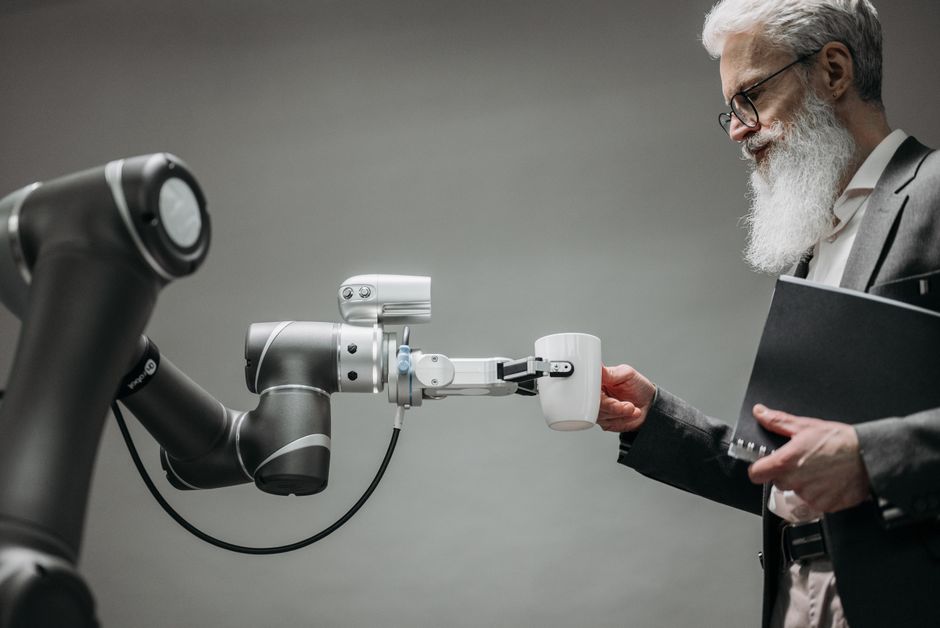
AI Disrupts Labor Markets, Alters Career Paths
Labor economists and AI policy analysts are now tasked with understanding these shifts. The podcast features insights from industry experts who highlight the urgency of…
Read More →When pathways are generated algorithmically, the bottleneck shifts from “finding a job” to “building the right bridge.” Intermediaries that can construct multiple bridges simultaneously—training, placement, and counseling—are effectively buffering the economy against the looming workforce shrinkage.
Our editorial stance
We believe the convergence of these three patterns signals a decisive turning point for career strategy. For the mid‑career professional, the old rule of “stay in your lane” no longer applies. Instead, the rule becomes “follow the data‑driven lane that the intermediary lights up.”
Career Ahead’s read on this is that workers who engage with platforms that offer integrated skill mapping, embedded upskilling, and scalable counseling will see a measurable boost in employability within a year. The boost is not just a matter of confidence; it is a function of reduced search friction and increased relevance of credentials. In practice, this means a professional who previously spent six months applying to roles can now land a position in three, thanks to a targeted micro‑credential that was co‑created by the platform and the hiring firm.
The emerging “Pathway Gap Buffer”
Across the observations above, a single mechanism is emerging: the Pathway Gap Buffer. This buffer is the combined effect of real‑time skill mapping, embedded upskilling pipelines, and algorithmic career counseling. It cushions the labor market against the projected labor force shrinkage and ensures that every worker has at least one viable route to a future‑proof job.
Career Ahead’s read on this is that workers who engage with platforms that offer integrated skill mapping, embedded upskilling, and scalable counseling will see a measurable boost in employability within a year.
If the buffer continues to expand, we predict a flattening of the mismatch curve by the early 2030s. Workers who adopt these platforms early will ride the buffer’s benefits, while those who remain outside it may face longer periods of underemployment. The buffer will become the new standard for career resilience, and the firms that build the most robust buffers will attract the highest‑quality talent.
“Labor market intermediaries are no longer optional add‑ons; they are the essential infrastructure for a resilient workforce.” — Daniel Marschall, Senior Advisor, AFL‑CIO Working for America Institute
 Future Skills & Work
AI-Proof Skills Machines Can’t Replace
The report outlines specific tasks where AI usage is minimal, revealing a significant divide in how AI tools are applied.
Read More →—
Written by Career Ahead AI. AI can make mistakes, so verify key facts. Report errors to support@careeraheadonline.com.