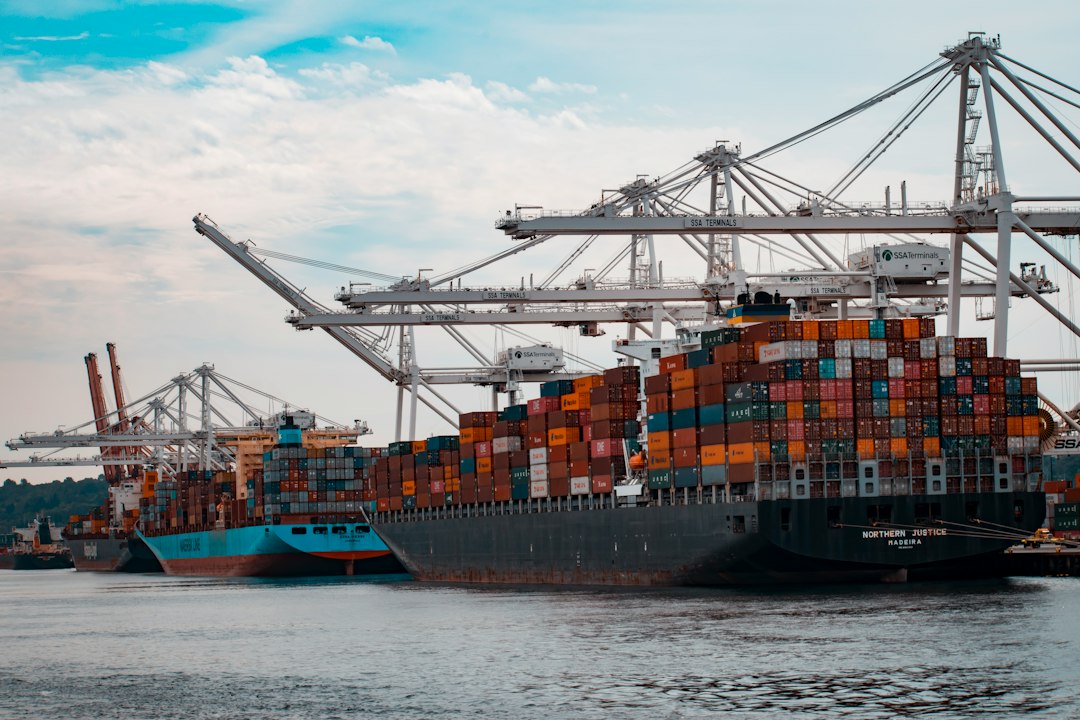
Mideast oil exports have rebounded significantly, reaching 16.3 million barrels per day (bpd) in September 2026, the highest level since the US-Iran tensions escalated in 2022. This surge comes as Saudi Arabia increased its shipments, despite ongoing high prices in the global market. The rebound is noteworthy, particularly in light of the challenges posed by geopolitical tensions and logistical bottlenecks in the region.
This increase in exports is crucial for energy market analysts and logistics managers, as it signals a potential shift in supply dynamics. The Strait of Hormuz, a critical chokepoint for oil transport, continues to face threats from regional conflicts, yet the resilience of Mideast suppliers is evident. This development may reshape strategies for professionals in the energy sector.
Impact of Elevated Oil Prices on Export Strategies
The current high price of Brent crude, hovering around $107 per barrel, has not deterred Mideast producers from ramping up exports. According to Career Ahead’s analysis of data from Reuters, Saudi Arabia has significantly increased its oil shipments, contributing to the overall rise in exports. This is a strategic move, as higher prices typically incentivize production to maximize revenue. In fact, the increase in exports is a calculated response to the global market’s demand for oil, particularly as economies recover from the pandemic.
Career Ahead research finds that the price elasticity of demand for oil remains relatively inelastic in the short term. As consumers and industries continue to rely on oil, Mideast exporters are capitalizing on the situation by boosting production and sales. This trend raises questions about the sustainability of high prices and whether they will continue to support increased output in the long run. Analysts from Forbes Middle East emphasize that this surge in exports is not merely a reaction to high prices but also a strategic maneuver to reclaim market share as global energy consumption rebounds.
Moreover, the logistical challenges associated with transporting oil through the Strait of Hormuz cannot be overlooked. The strait is a vital artery for global oil trade, and any disruptions can have immediate effects on prices and supply. Energy economists are closely monitoring these factors, as they could influence future export strategies and market dynamics. Recent reports indicate that the geopolitical landscape remains volatile, with ongoing tensions between the U.S. and Iran potentially impacting shipping routes and insurance costs for tankers. As highlighted by CNBC, these tensions have led to increased scrutiny of shipping operations in the region, which could complicate logistics for Mideast oil producers.
The interplay between production levels, pricing strategies, and geopolitical stability will be crucial in determining the future trajectory of Mideast oil exports.
As such, oil market analysts must consider how Mideast producers will navigate the complexities of high prices and geopolitical risks. The ability to adapt to changing market conditions will be essential for maintaining competitiveness in a volatile environment. The interplay between production levels, pricing strategies, and geopolitical stability will be crucial in determining the future trajectory of Mideast oil exports.
Logistical Challenges in Oil Transportation
The logistics of oil transportation through the Strait of Hormuz present significant challenges for producers and exporters. This narrow waterway is responsible for approximately 20% of the world’s seaborne oil trade, making it a focal point for energy logistics managers. Recent tensions in the region have raised concerns about the safety and security of oil shipments, impacting shipping routes and costs. Career Ahead’s analysis indicates that the cost of insurance for tankers transiting the Strait has increased due to heightened risks. This added expense can affect the overall profitability of oil exports and may force producers to reconsider their shipping strategies.
Furthermore, the reliance on a single chokepoint for such a significant portion of global oil trade underscores the vulnerability of the supply chain. Any disruption, whether from geopolitical conflict or natural disasters, could lead to substantial price spikes and supply shortages. Logistics managers must remain vigilant and flexible in their planning to adapt to these potential disruptions. The recent surge in oil exports has also prompted discussions about the need for alternative shipping routes and enhanced security measures to ensure uninterrupted supply, as noted by analysts at TradeInt.
As Mideast oil exports continue to rise, the interplay between logistics, pricing, and geopolitical factors will remain critical. Stakeholders in the energy sector should be prepared for rapid changes and should develop contingency plans to address potential challenges. The ongoing analysis of shipping trends and regional stability will be essential for understanding how Mideast oil producers can maintain their export levels amidst a complex global landscape. The logistics of oil transport are not just about moving barrels; they involve navigating a web of economic, political, and environmental factors that can influence the entire oil market.
In summary, the recent surge in Mideast oil exports amidst elevated prices reflects a complex interplay of market dynamics, logistical challenges, and geopolitical considerations. For energy professionals, understanding these factors will be crucial for navigating the evolving landscape of the global oil market. As the situation unfolds, the question remains: how will Mideast oil producers adjust their strategies in response to potential shifts in global demand and ongoing geopolitical tensions? The next few months will be pivotal in determining the trajectory of oil exports and market stability.
For energy professionals, understanding these factors will be crucial for navigating the evolving landscape of the global oil market.
Frequently Asked Questions
What factors are driving the rebound in Mideast oil exports?
Career Ahead analysis indicates that the rebound is driven by increased production from Saudi Arabia and rising global demand as economies recover. The current high prices have incentivized producers to maximize output and capture market share.
How do elevated oil prices affect logistics in oil transport?
Elevated oil prices have led to increased shipping costs, particularly for tankers transiting the Strait of Hormuz. Higher insurance rates due to geopolitical risks also impact logistics, forcing companies to adapt their shipping strategies.
What strategies should energy economists consider in light of changing oil export trends?
Energy economists should monitor global demand fluctuations and geopolitical developments closely. Understanding the interplay between these factors will be crucial for predicting future export levels and pricing strategies.
Written by Career Ahead AI. AI can make mistakes, so verify key facts. Report errors to support@careeraheadonline.com.
Career Ahead AI is Career Ahead Magazine's in-house AI newsroom, reporting on careers, education, jobs and business. It produces original summaries and analysis drawn from publicly available sources, with those sources credited, and operates under the editorial oversight of the Career Ahead team. AI can make mistakes, so please tell us when something looks wrong. Corrections, copyright or takedown requests…
Global research shows nearly half of young adults now phub their friends and partners—substituting screens for trust, intimacy, and real connection. The…
Matcha lattes, smartwatch metrics, and chlorophyll shots are the new badges of ambition for India’s under-35s. But can conspicuous health spending solve…


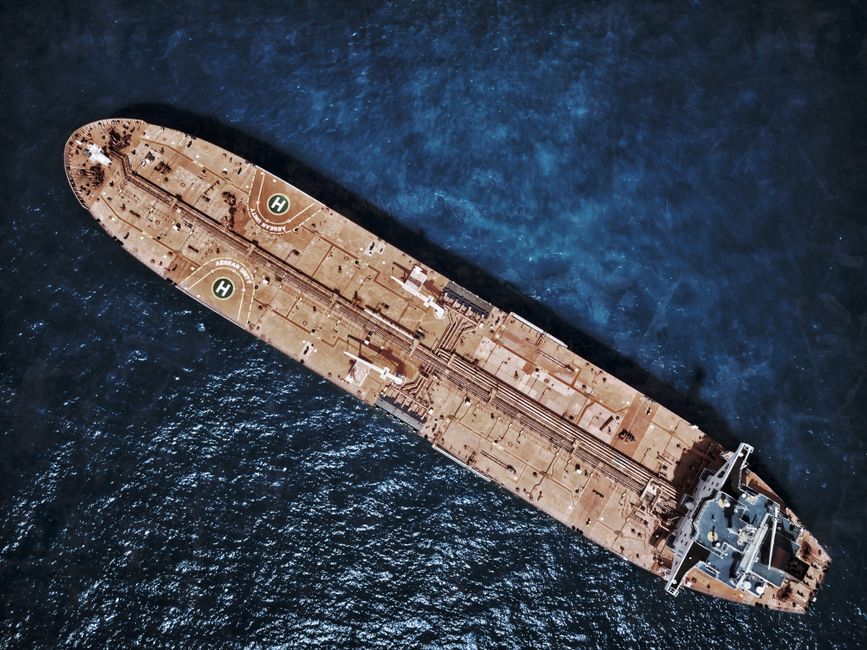
Industry & Global Trends
 Industry & Global Trends