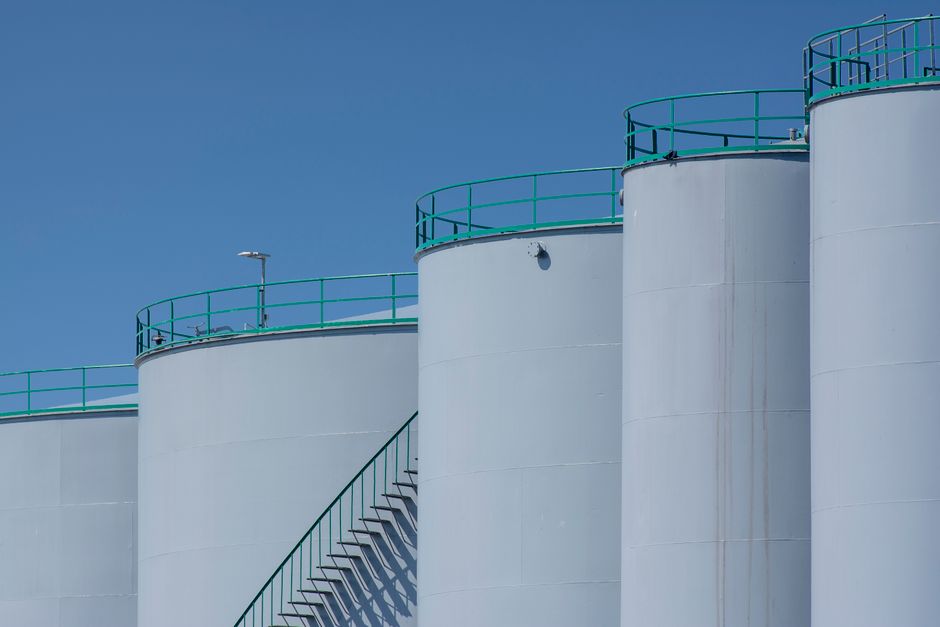
European gas storage is facing major disruptions. Shifting LNG supply chains and geopolitical tensions are causing significant changes. These conflicts are affecting energy sourcing strategies, putting the profitability of gas storage in Europe at risk. Energy economists and natural gas traders are now rethinking their strategies in this volatile market.
Recent reports show that LNG supply dynamics are changing quickly. Europe’s reliance on LNG imports is growing due to global supply chain challenges. This shift impacts not only immediate supply but also long-term energy storage and security strategies in Europe.
Geopolitical Tensions and Their Impact on Storage Economics
The ongoing conflict in Eastern Europe has driven up energy prices and created uncertainty in gas supply. According to Moneycontrol, the economic model that once favored gas storage is now under threat. Rising prices have increased the cost of filling storage facilities, reducing margins for traders and energy companies.
Career Ahead’s analysis shows that gas storage profitability is linked to geopolitical stability. High tensions mean energy companies may face rising operational costs and more regulatory scrutiny. This could lead to a reevaluation of investments in gas storage, especially in conflict-affected regions.
Additionally, the shift toward renewable energy complicates matters. As Europe aims to cut fossil fuel dependence, the role of gas storage as a transitional energy source is being questioned. The Energyriskiq platform reports that current gas storage levels are lower than last year’s, signaling a potential energy supply crisis.
Natural gas traders must navigate these challenges carefully. The changing landscape demands agile trading strategies, as traditional models may no longer work. Traders who adapt quickly to these new economic realities could find opportunities, while those who stick to outdated methods may suffer losses.
The changing landscape demands agile trading strategies, as traditional models may no longer work.
Shifts in LNG Supply Chains and Market Dynamics
The global LNG supply landscape is evolving. Countries are reassessing their energy dependencies. New suppliers are emerging, and existing ones are changing their strategies. The Energy Storage Europe report shows how these shifts are affecting European energy policy. Nations are seeking to diversify energy sources to reduce risks from geopolitical instability.
Career Ahead research indicates that changes in supply chains are both logistical and economic. Countries that relied heavily on specific suppliers are now seeking more flexible agreements. This diversification is crucial for ensuring energy security and stabilizing prices over time.
As countries adjust their LNG procurement strategies, the implications for gas storage grow clearer. With fluctuating supply and demand, energy storage facilities must adapt to changing operational needs. This unpredictability can affect investment decisions, as stakeholders weigh the risks and rewards of maintaining large storage capacities.
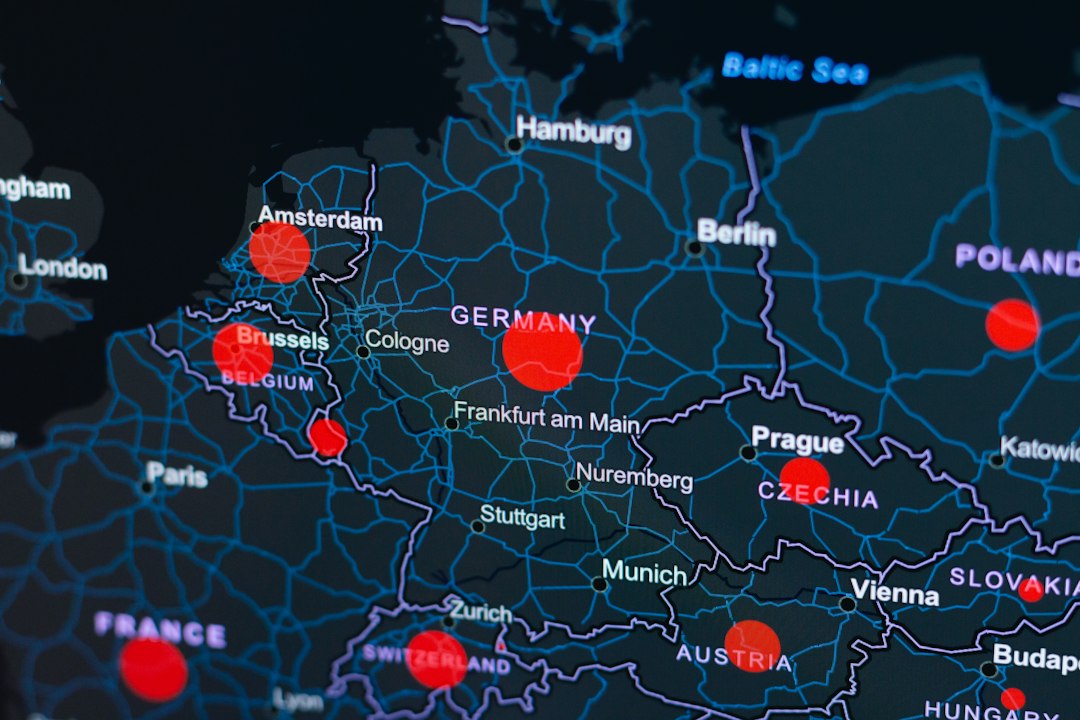
Traditional gas storage profitability models are disrupted, creating a need for new economic frameworks.
Moreover, regulatory changes are on the way. Policymakers are focusing on frameworks that support energy transition while ensuring supply security. The European Gas Hub suggests that regulatory bodies are considering incentives for storage investments, but these must align with broader sustainability goals.
Implications for Energy Economists and Natural Gas Traders
For energy economists, these shifting dynamics present challenges and opportunities. Traditional gas storage profitability models are disrupted, creating a need for new economic frameworks. Career Ahead’s analysis shows that economists must develop innovative strategies to manage geopolitical risks and evolving market conditions.
Natural gas traders must stay vigilant and adaptable. Current market conditions require a proactive trading approach. With fluctuating prices and supply chains in flux, traders who can quickly analyze trends and adjust strategies will have an advantage.
Furthermore, the regulatory landscape is changing. European energy policymakers must balance energy security needs with the transition to greener sources. This balancing act may lead to new regulations that could further impact gas storage economics.
As the situation evolves, monitoring developments in both geopolitics and the energy market will be crucial. Anticipating changes will be key for economists and traders navigating this complex landscape.
The future of gas storage in Europe remains uncertain. Will energy companies adapt their strategies quickly enough to survive these changes? Or will ongoing geopolitical tensions lead to a deeper transformation in how Europe manages its energy resources?
Career Ahead analysis shows that energy economists must adapt their models to account for geopolitical risks and market fluctuations.
Frequently Asked Questions
What are the implications of LNG shifts for energy economists?
Career Ahead analysis shows that energy economists must adapt their models to account for geopolitical risks and market fluctuations. This requires innovative strategies to assess gas storage’s economic viability in a changing environment.
How should natural gas traders adjust to changes in storage economics?
Natural gas traders need to be agile and responsive to market changes. By analyzing trends and adjusting trading strategies, they can mitigate risks from the current instability in LNG supply chains.

What policy changes should European energy policymakers consider in light of current gas market trends?
European energy policymakers should create regulatory frameworks that support energy security while promoting a transition to renewable sources. This may include incentives for storage investments and measures to diversify supply agreements.
Written by Career Ahead AI. AI can make mistakes, so verify key facts. Report errors to support@careeraheadonline.com.