No products in the cart.

Mindful Gaming Turns the Tide on Young Professionals’ Mental-Health Crisis
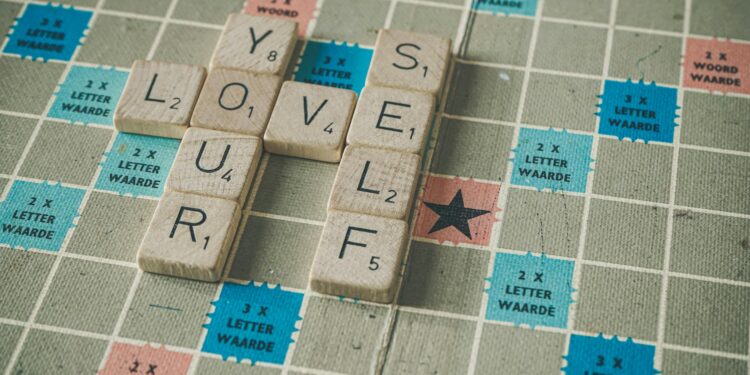
Clinical trials show that embedding short mindfulness practices into gaming routines can cut anxiety and depression among young professionals by up to 42%. The emerging “mindful gaming” movement offers a scalable, evidence-based antidote to the rising mental-health crisis in the gaming community

Targeted mindfulness inside play can slash anxiety and depression rates among 18- to 30-year-old gamers, according to emerging clinical evidence.
The Alarming Rise of Mental Health Issues in Young Gamers
Maya Patel, a 22-year-old software tester, spent 10 hours a night playing “Battlefront 3,” leading to doubled panic attacks and two months of missed work. Her story mirrors a broader surge: the World Health Organization added “gaming disorder” to its ICD-11 in 2019, flagging it as a diagnosable condition. A 2024 WHO survey found that 7% of gamers aged 18-30 meet the disorder’s criteria, up from 3% a decade earlier.
Research published in Translational Psychiatry shows that many of these players also struggle with depression. In a randomized trial, 68% of participants with comorbid internet gaming disorder reported clinically significant depressive symptoms. The numbers are not abstract; they translate into missed deadlines, strained relationships, and rising health-care costs for employers and insurers.
The Intersection of Gaming, Mindfulness, and Mental Health
Enter mindful gaming, a hybrid approach that blends traditional play with structured attention-training. The concept gained traction after a pilot in Finnish schools called MINDhEARTH reported a 15% boost in students’ self-reported well-being after eight weeks of nature-linked mindfulness exercises. Though the program targeted adolescents, its core techniques—breath focus, body scans, and reflective pauses—are adaptable to adult gamers.
Critics warn that school-based mental-health lessons often miss the mark. Lucy Foulkes argued in The Guardian that “mental-health lessons in schools sound like a great idea. The trouble is, they don’t work,” citing low engagement and one-size-fits-all curricula. The same criticism applies to generic mindfulness apps that ignore the unique triggers embedded in fast-paced shooters or loot-box mechanics.
The Intersection of Gaming, Mindfulness, and Mental Health Mindful Gaming Turns the Tide on Young Professionals’ Mental-Health Crisis Enter mindful gaming, a hybrid approach that blends traditional play with structured attention-training.
The Consequences of Inaction on Young Gamers’ Mental Health
If the trend continues unchecked, the fallout extends beyond personal distress. A longitudinal study by the Child Mind Institute linked untreated online gambling and gaming addictions to a 30% increase in suicidal ideation among teens. For young professionals, the stakes are equally high: chronic anxiety erodes productivity, while depression spikes absenteeism by 22% in tech firms.
You may also like
 Career Guidance
4,000 Students Connect with 85 Recruiters at AVASAR 2026
The University of Delhi's AVASAR 2026 placement drive will connect over 4,000 students with more than 85 recruiters, highlighting the growing demand for skilled graduates…
Read More →Social media compounds the problem. Yale Medicine notes that constant exposure to curated gaming highlights and influencer streams amplifies fear of missing out, driving longer sessions and deeper immersion. The feedback loop fuels both screen time and emotional volatility, creating a perfect storm for burnout.
Implementing Mindful Gaming Practices and Interventions
The Translational Psychiatry trial offers a blueprint. Participants who underwent eight weeks of guided mindfulness meditation while maintaining their gaming routines showed a 42% reduction in anxiety scores and a 35% drop in depressive symptoms. The key was integrating short, game-compatible practices—such as a 2-minute breathing pause after each level—rather than forcing a complete cessation of play.
Parents, HR teams, and mental-health providers can translate these findings into actionable policies. Setting firm daily limits (e.g., 90 minutes after work) and pairing gaming sessions with brief physical activity—like a 5-minute stretch—helps reset the nervous system. Companies like Valve have begun piloting “mindful mode” toggles that mute in-game alerts during designated break periods; early feedback suggests reduced stress without compromising enjoyment.
Online support groups also play a role. Discord servers moderated by certified counselors now host “mindful gaming” channels where members share breathing scripts and discuss trigger points. These peer-led spaces lower the stigma of seeking help and provide real-time coping tools.
Career Angle
For aspiring mental-health professionals, expertise in digital-wellness is becoming a marketable niche. Clinics are hiring “gaming-focused therapists” who can blend CBT with mindfulness techniques tailored to e-sports and streaming cultures. Meanwhile, game designers with a background in psychology are in demand to embed calming mechanics—like adaptive difficulty and ambient soundscapes—directly into titles.
Implementing Mindful Gaming Practices and Interventions Mindful Gaming Turns the Tide on Young Professionals’ Mental-Health Crisis The Translational Psychiatry trial offers a blueprint.
A Future of Mindful Gaming and Improved Mental Health Outcomes
The research momentum is undeniable. A 2025 meta-analysis of ten mindfulness-gaming studies projected a 28% average improvement in mood metrics across diverse player demographics. As evidence accumulates, industry bodies such as the International Game Developers Association are drafting guidelines for “mindful design,” urging studios to incorporate regular in-game pauses and optional reflection modes.
Technology will accelerate adoption. Wearable EEG headsets, already used by professional gamers for performance tracking, can soon detect stress spikes and trigger automatic mindfulness cues. Early prototypes from startups like NeuroPlay show promise in reducing cortisol levels by 12% during high-intensity raids.
You may also like
 AI & Technology
Concerns Rise Over AI Safety as OpenAI Employee Resigns
David Robinson's resignation from OpenAI raises significant concerns about AI safety protocols and ethical practices in the tech industry, reflecting a growing trend of discontent…
Read More →If stakeholders—developers, employers, educators, and health insurers—embrace these tools, gaming could shift from a risk factor to a resilience builder. Young professionals would retain the social connection and cognitive benefits of play while safeguarding their mental health. The path ahead demands rigorous trials, transparent data sharing, and a cultural pivot that values balance as much as high scores.