No products in the cart.

Mistral AI Unveils Remote Agents and Medium 3.5
Mistral AI's launch of remote agents and the Medium 3.5 model transforms coding practices, enabling developers to leverage AI more effectively in their workflows.

Mistral AI is reshaping the landscape of software development with its recent launch of remote coding agents and the Mistral Medium 3.5 model. This innovation marks a significant leap in how developers interact with AI tools, streamlining workflows and enhancing productivity. As the demand for efficient coding solutions grows, Mistral AI’s advancements come at a crucial time for the tech industry.
The big idea behind Mistral AI’s launch is to empower developers by reducing the bottlenecks often associated with coding tasks. With remote agents, developers can initiate tasks that run in the cloud, allowing for parallel processing without the need for constant supervision. This shift not only increases efficiency but also enables developers to focus on more complex problem-solving rather than mundane coding chores.
Remote Agents: Enhancing Coding Efficiency
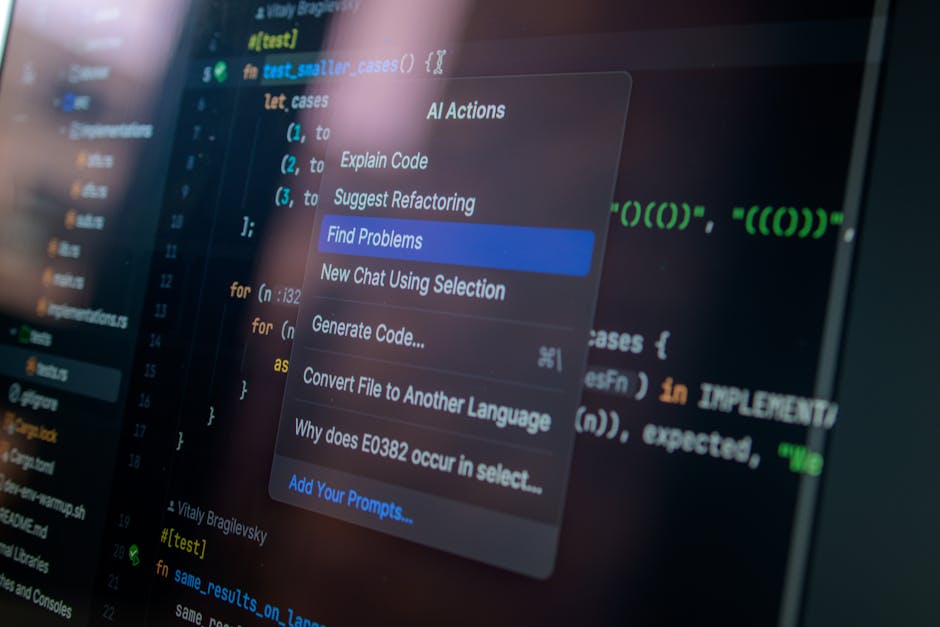
The newly introduced remote agents operate through Mistral Vibe, a platform designed to facilitate AI-driven coding tasks. Previously, coding sessions were limited to local environments, tying developers to their machines. Now, with remote agents, these sessions can be executed in the cloud, freeing developers from the constraints of their physical setup.
When a developer initiates a task, the remote agent takes over, running the necessary processes in an isolated environment. This means that long-running tasks can continue without requiring the developer’s constant oversight. According to MarkTechPost, this allows for a more fluid workflow, where developers can engage in multiple projects simultaneously without being bottlenecked by individual tasks.
Moreover, the integration of Mistral Medium 3.5 enhances these capabilities further. This model boasts a remarkable 128 billion parameters and a 256k context window, allowing it to handle extensive coding tasks efficiently. The ability to process large amounts of data in one go means that developers can tackle more complex issues without the typical delays associated with traditional coding environments.
This versatility means that developers can rely on a single model for diverse tasks, reducing the need for multiple tools and streamlining their workflows.
Mistral Medium 3.5: A Game Changer for Developers
Mistral Medium 3.5 is not just a new model; it represents a significant advancement in AI capabilities for software development. With a verified score of 77.6% on the SWE-Bench benchmark, it outperforms many existing models, including Devstral 2 and Qwen3.5. This score indicates its effectiveness in resolving real-world coding issues, making it a valuable tool for developers.
You may also like
 Entrepreneurship & Business
Bajaj Finance set to mop up Rs 17,500 crore via QIP, warrants
Bajaj Finance plans to raise ₹17,500 crore through a qualified institutional placement (QIP) and warrants, marking its first major capital raise since November 2023. This…
Read More →The model’s design allows it to handle various tasks, from simple queries to complex coding challenges. This versatility means that developers can rely on a single model for diverse tasks, reducing the need for multiple tools and streamlining their workflows. As reported by Complete AI Training, the model’s configurable reasoning effort per request is a game changer, allowing developers to optimize their interactions based on the task’s complexity.
Furthermore, the multimodal capabilities of Mistral Medium 3.5 enable it to process not only text but also images, enhancing its utility in software development. This feature is particularly relevant in environments where visual data is integral to coding tasks, such as in graphic design software or applications that require image processing.
Transforming Software Development Practices
The introduction of remote agents and Mistral Medium 3.5 has significant implications for software development practices. By automating routine coding tasks, developers can redirect their focus towards higher-level strategic planning and innovation. This shift could lead to a more creative and productive tech landscape, where developers are less bogged down by repetitive tasks.
Moreover, the ability to run multiple coding sessions in parallel can accelerate project timelines. Teams can collaborate more effectively, with agents handling various components of a project simultaneously. This collaborative environment fosters a culture of innovation, as developers can experiment with new ideas without the fear of derailing ongoing projects.
However, this shift also raises questions about the future role of developers. As AI takes on more coding responsibilities, there may be concerns about job displacement. Yet, the consensus among experts is that while AI will change the nature of coding work, it will not eliminate the need for skilled developers. Instead, it will necessitate a shift in skill sets, emphasizing creativity and strategic thinking over routine coding.
Yet, the consensus among experts is that while AI will change the nature of coding work, it will not eliminate the need for skilled developers.
Ethical Considerations and Industry Debates
You may also like
 Entrepreneurship & Business
Zoho Arattai Challenges WhatsApp Business Pricing | Career Outlook
Arattai for Business is designed to facilitate communication within organizations and with customers. According to Zoho's founder, Sridhar Vembu, the platform not only supports messaging…
Read More →Despite the advancements presented by Mistral AI, there are ongoing debates regarding the reliance on AI in coding. Critics argue that while AI can enhance productivity, it may also lead to a decline in fundamental coding skills among developers. The fear is that as developers become more dependent on AI tools, they may lose the ability to troubleshoot and solve problems independently.
Additionally, there are concerns about the ethical implications of AI in software development. As AI models like Mistral Medium 3.5 become more integrated into coding practices, questions arise regarding accountability and transparency in AI-generated code. Developers and companies must navigate these challenges carefully to ensure that AI is used responsibly and ethically.

Furthermore, the rapid pace of AI development raises concerns about the potential for job displacement. While Mistral AI’s tools are designed to enhance productivity, there is a valid worry that they could replace certain roles within development teams. Balancing the benefits of AI with the potential risks will be crucial as the industry evolves.
Preparing for an AI-Driven Future in Development
The future of AI in software development looks promising, particularly with innovations like Mistral AI’s remote agents and Medium 3.5 model. As companies increasingly adopt these technologies, we can expect to see a transformation in how software is developed and maintained. The emphasis will likely shift towards integrating AI into every aspect of the development lifecycle.
By enabling seamless communication and task management, AI can help teams work more efficiently and effectively.
Moreover, as AI tools become more sophisticated, they will likely play a vital role in fostering collaboration among development teams. By enabling seamless communication and task management, AI can help teams work more efficiently and effectively. This collaborative approach will be essential in addressing complex software challenges that require diverse skill sets and perspectives.
You may also like
 Entrepreneurship & Business
Nscale Hires Meta’s Justin Osofsky to Be COO Ahead of IPO
Nscale has appointed Justin Osofsky as COO, leveraging his extensive experience from Meta to enhance operational efficiency ahead of its IPO. This strategic hiring reflects…
Read More →Looking ahead, the industry must also focus on developing guidelines for responsible AI use. As AI becomes more prevalent in coding, establishing best practices for transparency and accountability will be critical. This will ensure that developers can leverage AI’s capabilities while maintaining ethical standards in their work.