No products in the cart.

Spirit Airlines Ceases Operations Amid Fuel Price Crisis
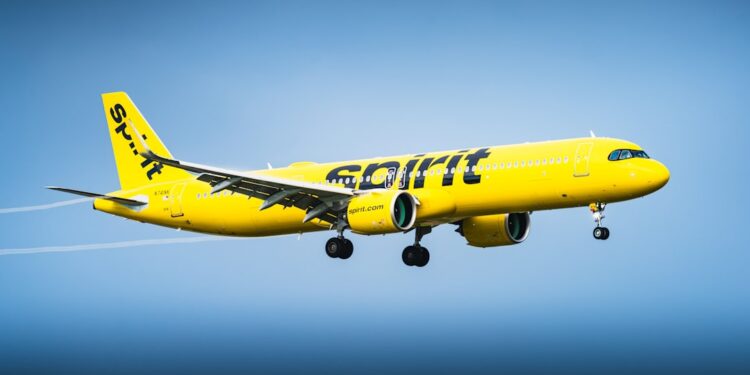
Spirit Airlines has ceased operations due to skyrocketing fuel prices, marking a significant shift in the airline industry. This article explores the factors behind this shutdown and its implications.

Spirit Airlines Shuts Down Operations
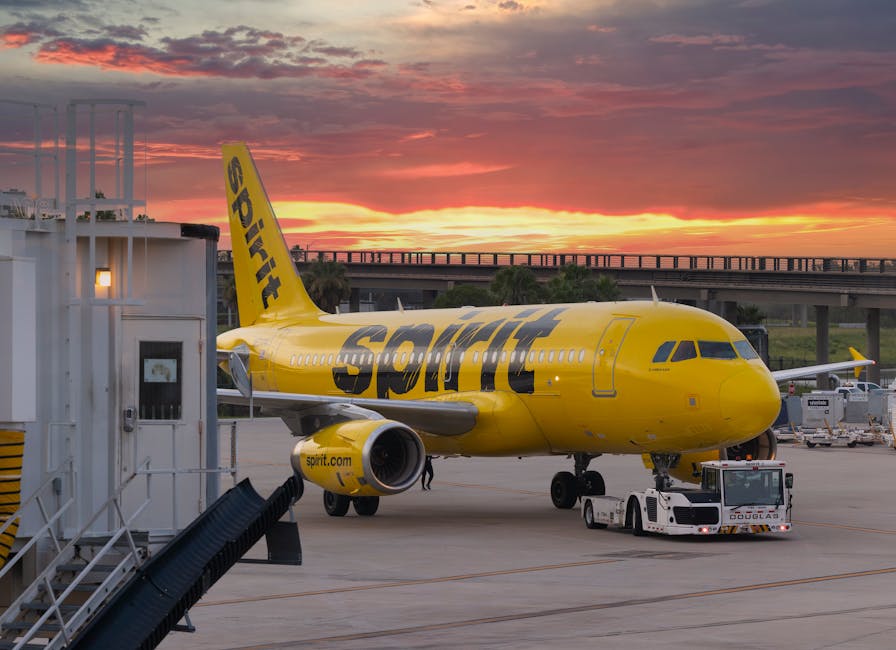
In a stunning turn of events, Spirit Airlines, a major player in the ultra-low-cost carrier market, has ceased all operations. The shutdown occurred early on May 2, 2026, after 34 years of service. This decision came in the wake of soaring jet fuel prices, which doubled following geopolitical tensions initiated by the Trump administration’s actions in Iran. The airline’s abrupt exit from the market has left thousands of travelers stranded and around 17,000 employees without jobs.
According to The Verge, the airline’s website now redirects customers to a restructuring page, advising against heading to airports. This unprecedented move signals not only the end of Spirit Airlines but also highlights the fragility of the airline industry in the face of external economic shocks.
Impact of Rising Fuel Prices
The recent spike in fuel prices has been a critical factor in Spirit Airlines’ downfall. Jet fuel prices surged from an anticipated $2.24 per gallon to over $4.50 per gallon as tensions escalated in the Middle East. This dramatic increase has severely impacted not just Spirit Airlines but the entire airline industry, which operates on thin profit margins.
As reported by CNBC, the airline’s financial struggles were exacerbated by a failed restructuring effort and a second bankruptcy filing within two years. The inability to secure a government bailout further pushed the airline into a corner, leaving it with no viable path forward. The economic landscape has shifted, revealing how vulnerable airlines are to fluctuations in fuel prices and external political decisions.
The recent geopolitical climate has led to a sharp increase in these costs, prompting many airlines to rethink their business models.
Industry-Wide Implications
The airline industry has long been sensitive to fuel costs, which account for a significant portion of operational expenses. The recent geopolitical climate has led to a sharp increase in these costs, prompting many airlines to rethink their business models. Spirit’s closure serves as a case study in how external factors can lead to the rapid decline of even established companies.
You may also like
 Entrepreneurship & Business
Bajaj Finance set to mop up Rs 17,500 crore via QIP, warrants
Bajaj Finance plans to raise ₹17,500 crore through a qualified institutional placement (QIP) and warrants, marking its first major capital raise since November 2023. This…
Read More →Data from the U.S. Bureau of Transportation Statistics indicates that fuel prices have a direct correlation with ticket prices and overall airline profitability. As fuel costs rise, airlines often pass these expenses onto consumers, which can lead to decreased demand. This cycle of rising costs and reduced consumer spending creates a precarious situation for low-cost carriers like Spirit, which rely on high passenger volumes to remain profitable.
Moreover, the political landscape plays a crucial role in shaping the operational environment for airlines. The Trump administration’s foreign policy decisions have had far-reaching consequences, not only for international relations but also for the economic stability of industries reliant on fuel. The fallout from these decisions has led to a reevaluation of how airlines manage their operations and financial strategies.
Debates on Low-Cost Airline Models
While the narrative around Spirit Airlines’ closure focuses on the immediate impact of rising fuel prices, there are broader debates regarding the sustainability of low-cost airlines in volatile markets. Critics argue that such business models are inherently flawed, relying on low fares that do not account for sudden increases in operational costs.
On the other hand, proponents of the low-cost model argue that it democratizes air travel, making it accessible to a larger segment of the population. The challenge lies in balancing affordability with financial viability, a dilemma that Spirit Airlines could not navigate successfully. This contradiction underscores a fundamental question: can low-cost carriers survive in an environment where operational costs are unpredictable?
The challenge lies in balancing affordability with financial viability, a dilemma that Spirit Airlines could not navigate successfully.
Future Considerations for the Airline Sector
The shutdown of Spirit Airlines serves as a warning for the airline industry as a whole. As fuel prices remain volatile and geopolitical tensions persist, other airlines may face similar challenges. The industry must adapt to these realities, possibly by diversifying fuel sources or implementing more flexible pricing strategies.
Additionally, the job market within the airline industry will also feel the effects of Spirit’s closure. The loss of 17,000 jobs is a stark reminder of the human cost associated with corporate failures. As the industry restructures, displaced workers may need to seek opportunities in other sectors, which could lead to a temporary increase in unemployment rates in affected regions.
You may also like
 Entrepreneurship & Business
Zoho Arattai Challenges WhatsApp Business Pricing | Career Outlook
Arattai for Business is designed to facilitate communication within organizations and with customers. According to Zoho's founder, Sridhar Vembu, the platform not only supports messaging…
Read More →