No products in the cart.

MSC Among Suitors for German State-Held Meyer Werft Stake
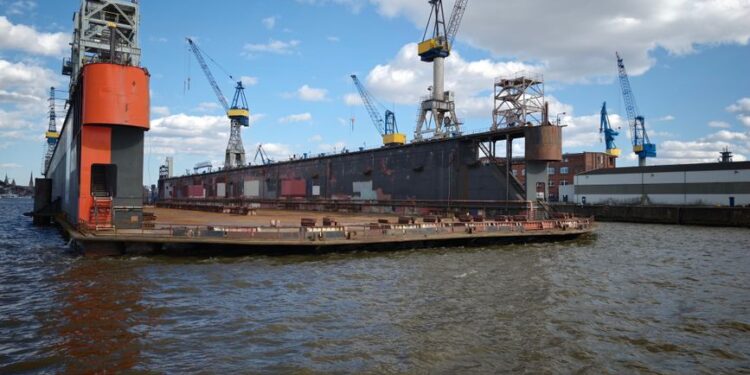
The potential acquisition of Meyer Werft by MSC could reshape the shipbuilding landscape in Germany, impacting employment, investment strategies, and competitive dynamics in the maritime industry.

Germany’s Meyer Werft shipyard is currently under consideration for acquisition by the Mediterranean Shipping Company (MSC). This potential acquisition could significantly alter the shipbuilding landscape in Germany and beyond, particularly as the cruise industry continues to recover from recent global disruptions.
MSC, recognized for its extensive fleet and global shipping operations, is reportedly one of several suitors interested in acquiring a stake in Meyer Werft, which is presently state-held. The German government is looking to divest its stake in the shipyard, a cornerstone of the German maritime industry for decades. This move comes at a pivotal time when the maritime sector is seeking to rebound from the impacts of the pandemic.
Implications for Employment and Shipbuilding Contracts
The potential acquisition raises critical questions about the future of shipbuilding contracts and employment in Germany. Industry analysts suggest that consolidation in the maritime sector often leads to reduced competition among shipbuilders, which can adversely affect pricing and contract negotiations. With fewer players in the market, smaller shipyards may struggle to secure contracts, potentially leading to job losses.
Moreover, MSC’s interest in Meyer Werft could indicate a shift towards a more centralized approach to shipbuilding within the cruise industry. As the market recovers, a streamlined production process may prioritize larger, more efficient vessels, which might not require the same workforce levels as traditional shipbuilding operations. Experts warn that if MSC proceeds with the acquisition, it may implement operational strategies that could further transform the workforce landscape, including investments in automation and advanced manufacturing technologies.
As reported by Marketscreener, the consolidation of shipbuilding operations could lead to increased efficiencies and profitability for the surviving entities. This trend may compel smaller shipbuilders to innovate or form alliances to remain competitive. The shift could also lead to a reallocation of resources, with larger firms like MSC potentially absorbing smaller competitors, thereby reshaping the employment landscape in the maritime sector.
As the market recovers, a streamlined production process may prioritize larger, more efficient vessels, which might not require the same workforce levels as traditional shipbuilding operations.
Investment Opportunities in the Maritime Sector
The potential acquisition of Meyer Werft by MSC also presents new investment opportunities within the maritime sector. Investors are closely monitoring this development, as the consolidation of shipbuilding operations could enhance efficiencies and profitability for the surviving entities. Research indicates that investors may find value in companies that can leverage economies of scale resulting from such mergers.
As MSC strengthens its position in the shipbuilding market, it may attract additional investments for expanding its fleet and enhancing operational capabilities. This could create a ripple effect, encouraging other maritime companies to explore similar consolidation strategies, which may reshape the competitive landscape. Furthermore, MSC’s acquisition could lead to increased demand for innovative ship designs and environmentally friendly technologies, aligning with regulatory pressures and consumer demand for sustainable travel options.
However, potential investors should exercise caution. The maritime industry is subject to fluctuations based on global economic conditions and consumer behavior. Investors must weigh the risks of investing in a sector still recovering from the pandemic against the potential for long-term gains as the cruise industry rebounds. As noted by Pe-insights, the dynamics of the market are shifting, and those who can adapt to these changes will likely find the most success.
Strategic Partnerships and Industry Evolution
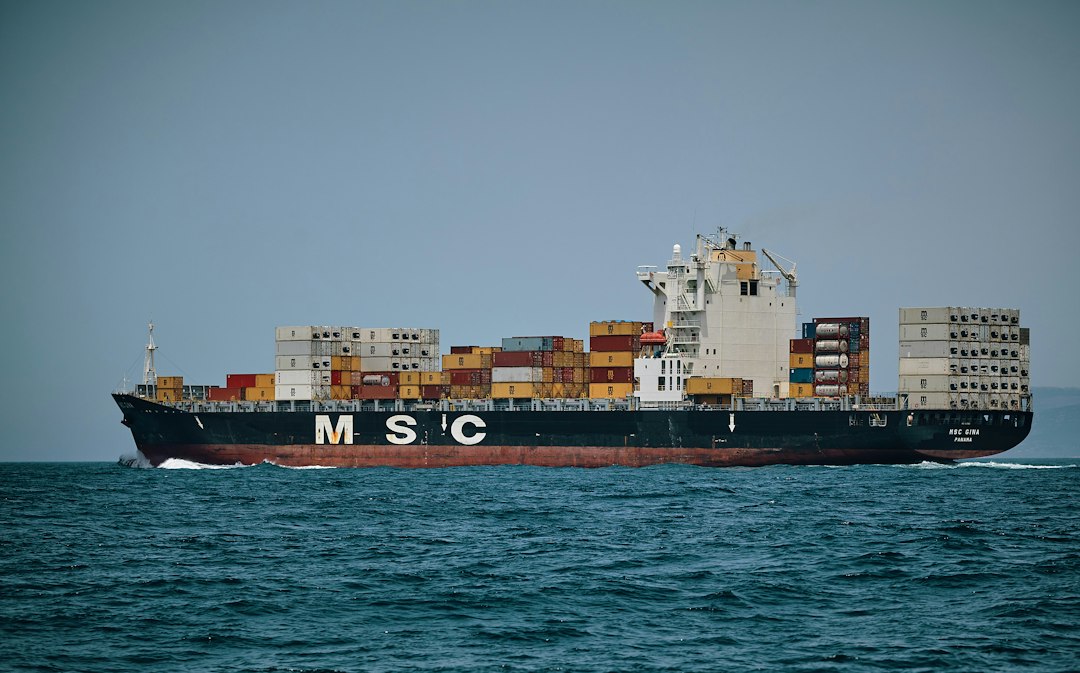
MSC’s interest in Meyer Werft could pave the way for new strategic partnerships within the cruise industry. As one of the largest cruise operators globally, MSC has the resources to influence ship design and production. By acquiring Meyer Werft, MSC could align its shipbuilding capabilities with its operational needs, ensuring that new vessels meet the latest market demands.
Industry analysis suggests that strategic partnerships between shipbuilders and cruise operators can lead to innovative designs that enhance passenger experiences. Such collaborations can also drive advancements in technology, making ships more efficient and environmentally friendly. For existing shipbuilders in Germany, this development may necessitate reevaluating their business models. Smaller shipyards may need to explore partnerships or joint ventures to remain competitive in a landscape increasingly dominated by larger entities like MSC.
For existing shipbuilders in Germany, this development may necessitate reevaluating their business models.
The potential for consolidation and strategic partnerships within the cruise industry highlights the evolving nature of maritime operations. The next few years could see significant shifts as companies adapt to new realities and consumer expectations.

Monitoring the Acquisition’s Impact
As MSC’s interest in Meyer Werft unfolds, stakeholders in the maritime sector must remain vigilant. The outcomes of this acquisition could have lasting effects on employment, investment strategies, and the competitive dynamics of the shipbuilding industry in Germany. Will this move lead to a more robust maritime sector, or will it create challenges for smaller shipbuilders trying to survive in a rapidly changing landscape?
Frequently Asked Questions
What are the implications of MSC acquiring Meyer Werft for shipbuilders in Germany?
The acquisition could lead to reduced competition among shipbuilders, impacting contract negotiations and potentially resulting in job losses. Consolidation may also shift the focus towards more efficient production methods, which could require different skill sets.
Consolidation may also shift the focus towards more efficient production methods, which could require different skill sets.

How might this acquisition impact investment opportunities in the maritime sector?
Investors may find new opportunities as MSC’s consolidation could enhance efficiencies and profitability. However, they must also consider the risks associated with an industry still recovering from the pandemic.
What should maritime investors consider in light of MSC’s interest in Meyer Werft?
Maritime investors should evaluate the potential for increased demand for innovative and sustainable ship designs, while also weighing the risks of investing in a fluctuating market. Strategic partnerships could also create new avenues for investment as the industry evolves.
Written by Career Ahead AI. AI can make mistakes, so verify key facts. Report errors to support@careeraheadonline.com.