No products in the cart.

Navigating the Algorithm: How Human Traders Can Thrive

As AI dominates stock trading, human traders must adapt. This analysis explores the skills needed to thrive in a world increasingly driven by algorithms.

New York, USA — The stock market has long been a battleground for ambition and strategy, a place where fortunes can be made or lost in the blink of an eye. Yet, as artificial intelligence continues to infiltrate this high-stakes arena, a pressing question emerges: Can human traders still compete with algorithms that process data at lightning speed?
In recent years, the rise of AI in stock trading has been nothing short of meteoric. Algorithms now dominate trading floors, executing trades in milliseconds and analyzing vast amounts of data that would take humans days, if not weeks, to comprehend. In 2023 alone, it was reported that over 70% of trading volume in the U.S. stock market was driven by algorithmic trading systems[1]. The implications for human traders are profound, raising concerns about their relevance in a world increasingly dictated by lines of code.

However, amidst the whirlwind of technological advancement, there remains a flicker of hope for human traders. The unique skills and insights that they bring to the table cannot be easily replicated by machines. While AI excels at crunching numbers, humans possess the ability to interpret market nuances, make judgment calls based on emotional intelligence, and adapt to unforeseen circumstances. In short, the human touch is irreplaceable.
To navigate this complex landscape, traders must cultivate a diverse skill set that complements the strengths of AI. Emotional intelligence, for instance, plays a crucial role in understanding market sentiment and making informed decisions. Traders who can read the room—detecting shifts in investor sentiment or reacting to breaking news—hold an advantage that algorithms simply cannot match. This was evident during the COVID-19 pandemic, where human traders were able to capitalize on market volatility driven by fear and uncertainty[2].
To navigate this complex landscape, traders must cultivate a diverse skill set that complements the strengths of AI.
Moreover, creativity in problem-solving can set human traders apart. While algorithms operate within predefined parameters, human intuition often leads to innovative approaches that can exploit market inefficiencies. As renowned trader and author Van Tharp once said, “The best traders are the ones who are able to think outside the box and adapt to changing market conditions.” This adaptability is essential in an environment where market dynamics can shift overnight.
You may also like
 AI & Technology
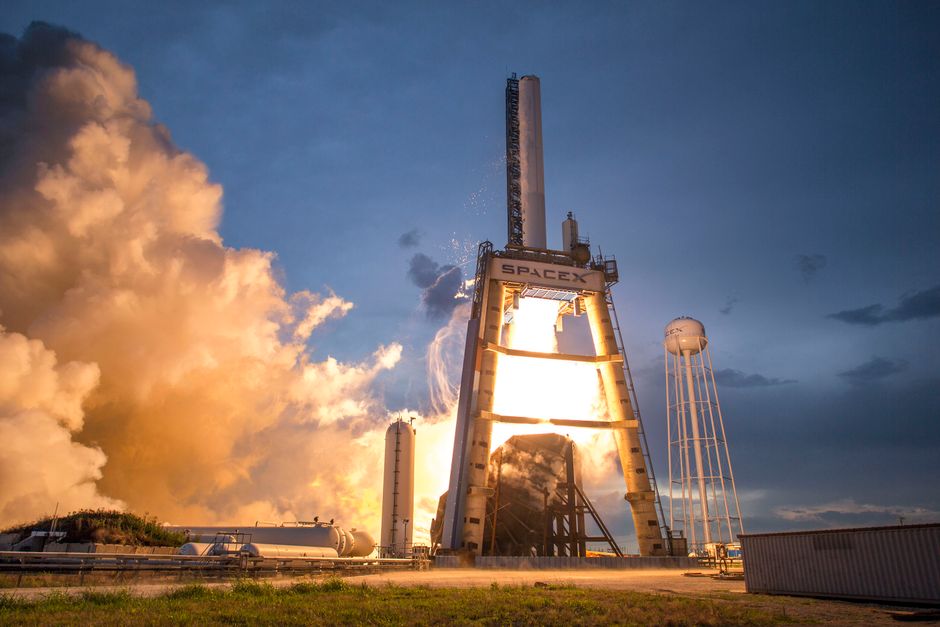
Musk Renames SpaceXAI to SpaceXSI Amid Super Intelligence Buzz
This shift shows a growing trend in tech towards integrating superintelligence into various applications, especially in aerospace. The new terminology marks a significant change from…
Read More →Despite the formidable capabilities of AI, it is essential to acknowledge its limitations. Algorithms are only as good as the data they are fed. Poor data quality or outdated algorithms can lead to catastrophic trading decisions. In contrast, human traders can apply contextual knowledge—understanding the broader economic landscape or recognizing emerging trends—that algorithms may overlook. The recent surge in interest in ESG (Environmental, Social, and Governance) investing is a prime example. Human traders who grasp the significance of these factors are better equipped to make informed investment choices, while algorithms may lag behind in adapting to these societal shifts[3].
Looking ahead, the future of trading will likely not be a binary choice between humans and AI but rather a collaborative effort. As traders embrace technology, they can leverage AI tools to enhance their decision-making processes. This symbiosis could lead to more informed strategies, as human intuition guides AI algorithms and vice versa. For instance, traders might use AI to analyze data trends while relying on their own insights to interpret the implications of those trends on market behavior.
As the industry evolves, continuous education will be vital for traders seeking to thrive in this new landscape. Developing technical skills, such as data analysis and programming, will equip traders to better understand and utilize AI tools. Furthermore, fostering soft skills like emotional intelligence and strategic thinking will remain crucial. The ability to blend these skills will create a new breed of trader—one who is not only adept at navigating the complexities of AI but also capable of harnessing the power of human intuition.
As the industry evolves, continuous education will be vital for traders seeking to thrive in this new landscape.
In this ever-changing world, the road ahead for traders is fraught with challenges, yet it is also paved with opportunities. Those who embrace the evolution of trading and invest in their skill development will not only survive but thrive, carving out a niche in a landscape where man and machine coexist. The future will belong to those who can strike a delicate balance between leveraging technology and preserving the irreplaceable essence of human insight.