
No products in the cart.

New Indonesia Finance Chief Steers Clear of Prabowo Turf Wars
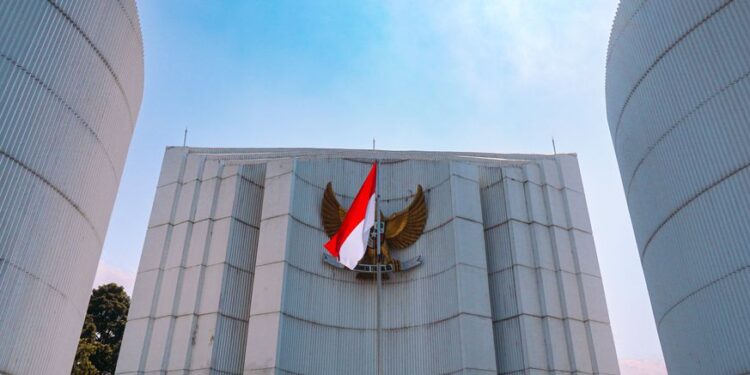
Indonesia's new finance chief emphasizes collaboration in economic policy, aiming to reshape governance and engage diverse stakeholders in addressing the country's economic challenges.

Indonesia has appointed a new finance chief, signaling a shift in the country’s economic policy landscape. This change comes amid political tensions and aims to foster a collaborative approach to governance. The new finance minister intends to steer clear of internal conflicts, particularly those associated with Prabowo Subianto, and focus on teamwork in policy implementation.
This appointment is crucial as it reflects a broader trend towards collaborative governance in emerging markets. The finance minister’s emphasis on teamwork may reshape how finance professionals and government economists engage with policy-making in Indonesia. As reported by Bloomberg, the new finance chief is committed to moving past the political strife that has characterized previous administrations, particularly the recent ousting of the former finance minister following clashes with Prabowo’s allies.
Shifting Economic Strategies Under New Leadership
The new finance chief’s leadership style is expected to influence Indonesia’s economic strategies significantly. Career Ahead analysis finds that a collaborative approach can enhance the effectiveness of financial policies. The finance minister plans to work closely with various stakeholders, including other government departments, the private sector, and civil society, to ensure that economic policies are inclusive and well-informed.
This collaborative model is particularly important as Indonesia faces several economic challenges, including inflation and post-pandemic recovery. By involving a broader range of voices in the policy-making process, the finance minister aims to create more resilient economic strategies that can adapt to changing circumstances. According to a report by U.S. News, the new finance chief’s strategy is expected to address the urgent need for economic stability and growth, particularly in light of the ongoing effects of the COVID-19 pandemic.
Furthermore, the new finance chief’s approach may lead to changes in budget allocation processes. Traditionally, budget decisions in Indonesia have been highly centralized, often leading to inefficiencies and a lack of responsiveness to local needs. By promoting teamwork, the finance minister could facilitate a more decentralized budget process, allowing for greater flexibility and responsiveness to regional economic conditions. This shift could empower local governments and communities to have a more significant say in how resources are allocated, thereby enhancing the effectiveness of public spending.
News, the new finance chief’s strategy is expected to address the urgent need for economic stability and growth, particularly in light of the ongoing effects of the COVID-19 pandemic.
You may also like
 Government & Policy
GST Council Approves Compliance Reforms for E-commerce
India's GST Council is poised to implement significant reforms aimed at easing compliance burdens for e-commerce sellers, enabling them to thrive in the digital marketplace.
Read More →As the finance chief implements these strategies, it will be essential for finance professionals to stay informed and adaptable. The shift towards collaboration may require them to develop new skills and approaches to engage effectively with the government and other stakeholders. The emphasis on teamwork may also necessitate a cultural shift within financial institutions, encouraging a more open and communicative environment that fosters innovation and responsiveness.
Implications for Finance Professionals and Economists
The new finance chief’s focus on teamwork presents both challenges and opportunities for finance professionals in Indonesia. With an emphasis on collaboration, finance professionals will need to adapt their approaches to align with this new governance model. Career Ahead research identifies that finance professionals who can work effectively in teams and engage with diverse stakeholders will be better positioned in this evolving landscape.
Moreover, government economists will also need to adjust their strategies in response to the new leadership style. The collaborative approach may require them to engage more actively with the private sector and civil society, fostering partnerships that can enhance the quality of economic analysis and policy recommendations. As noted in reports from Yahoo, the new finance chief’s strategies are expected to create a more dynamic interaction between government and private sectors, which could lead to innovative solutions to longstanding economic issues.
As the finance minister implements new policies, the impact on budget allocation processes will be closely watched. The potential for a more decentralized approach could lead to increased funding for local initiatives, benefiting communities and businesses directly. This shift may also encourage finance professionals to focus on projects that align with regional priorities, enhancing their relevance in the economic landscape. However, the transition to a collaborative governance model may not be without its challenges. There may be resistance from traditionalists who prefer the status quo, and navigating these dynamics will require skill and diplomacy from finance professionals. Those who can effectively advocate for collaborative approaches will likely find themselves at the forefront of policy discussions.
There may be resistance from traditionalists who prefer the status quo, and navigating these dynamics will require skill and diplomacy from finance professionals.
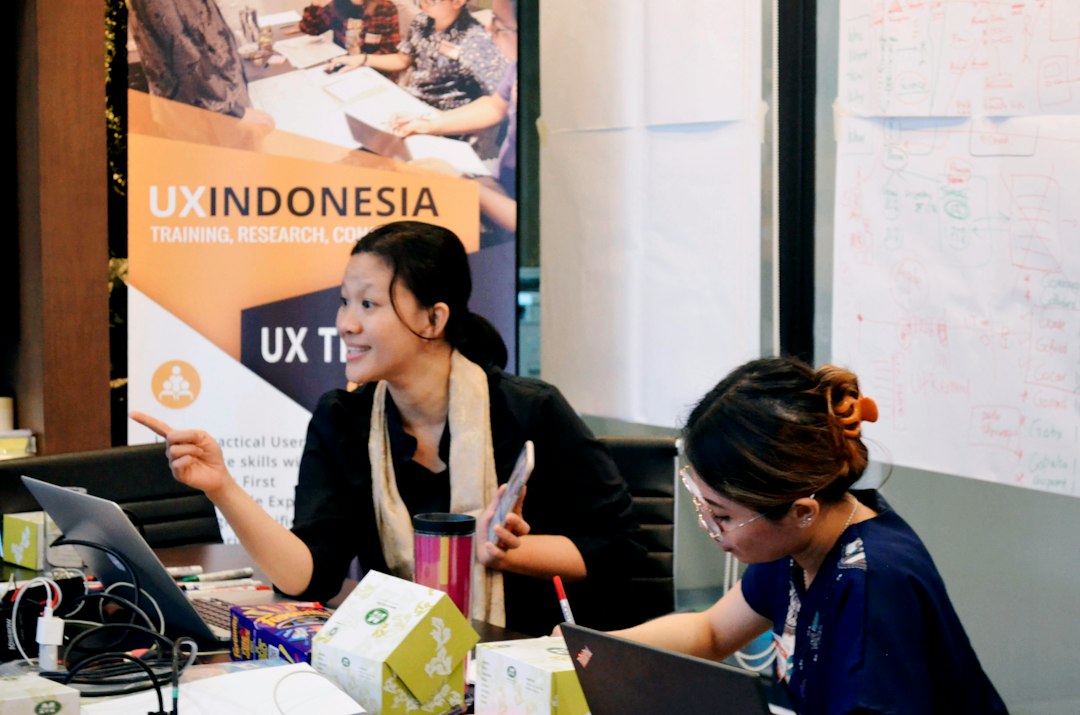
The new finance chief’s approach could also influence the broader economic outlook for Indonesia. By fostering a collaborative environment, the finance minister may contribute to greater stability and growth, which could attract foreign investment and bolster the country’s economic resilience. This is particularly crucial as Indonesia seeks to position itself as a competitive player in the global market, especially in the wake of economic disruptions caused by the pandemic.
You may also like
 Government & Policy
Ministers Tackle Misuse of New Spending Powers
UK ministers are considering measures to prevent misuse of new spending powers by regional leaders, including a select committee and enhanced reporting rules.
Read More →As Indonesia embarks on this new chapter in its economic policy, the implications of the finance chief’s collaborative approach will unfold over time. Stakeholders across the finance sector will need to monitor these developments closely, as they may signal a shift in how economic policies are crafted and implemented. The effectiveness of this collaborative model will be tested as the finance chief addresses pressing economic challenges. The ability to bring together diverse perspectives and create inclusive policies will be critical in navigating the complexities of Indonesia’s economy.
Furthermore, the reactions of finance professionals and government economists to this new governance style will shape the future of economic policy in Indonesia. Their ability to adapt to changing dynamics and embrace collaboration will determine their success in influencing policy outcomes. Ultimately, the new finance chief’s leadership will likely have lasting effects on Indonesia’s economic landscape. As the country moves forward, the emphasis on teamwork in financial policy implementation may set a precedent for other emerging markets, highlighting the importance of collaboration in addressing complex economic issues.
Frequently Asked Questions
What are the implications of the new finance chief’s policies for Indonesia’s economy?
Career Ahead’s analysis indicates that the new finance chief’s collaborative approach could lead to more inclusive and effective economic policies. This shift may enhance budget allocation processes, allowing for greater responsiveness to regional needs and potentially driving economic growth.
Finance professionals should focus on developing skills that facilitate teamwork and stakeholder engagement.
How can finance professionals adapt to the new collaborative approach in government?
Finance professionals should focus on developing skills that facilitate teamwork and stakeholder engagement. Understanding the dynamics of collaborative governance will be essential for navigating the changing landscape of economic policy in Indonesia.
What strategies should government economists employ under the new finance leadership?
Government economists should actively engage with the private sector and civil society to foster partnerships that enhance the quality of economic analysis. Adopting a collaborative mindset will be crucial for effectively contributing to policy development in this new environment.
You may also like
 Government & Policy
BitChat’s App Store Removal Sparks Advocacy Backlash
The Internet Freedom Foundation (IFF) condemned the removal of BitChat from the India App Store, arguing it violates fundamental rights under the Indian Constitution. The…
Read More →








KQWgNugDPKdopUtvkoHiwPg