
Nike’s CEO is rethinking strategies to tackle the company’s recent sales decline. The company reported a significant drop in revenue, leading to urgent discussions about its future. This shift is especially important for marketing executives and product managers at Nike, who must adapt to the changing landscape.
The current situation is critical for Nike. The brand faces increased competition and changing consumer preferences. These challenges have pushed leadership to reevaluate marketing strategies and product offerings. The urgency cannot be overstated, as Nike’s ability to innovate and engage consumers will be key to its recovery.
Revised Marketing Strategies at Nike
Nike is exploring new marketing strategies to address its sales slump. One approach is to use digital platforms more effectively to reach consumers directly. The company knows that traditional advertising may not work as well in today’s fast-paced digital world.
Career Ahead’s analysis shows that Nike is focusing on personalized marketing campaigns. By using data analytics, the brand aims to tailor its messaging to specific consumer segments. This shift is essential, as consumers expect brands to understand their preferences and deliver personalized experiences.
Nike is also likely to invest more in influencer partnerships and social media marketing. Engaging with influencers who share the brand’s values can help reach younger consumers. This strategy enhances brand visibility and fosters a sense of community among consumers.
Moreover, Nike’s marketing strategy may emphasize sustainability. As consumers become more environmentally conscious, brands that prioritize sustainable practices can gain an edge. Nike’s commitment to sustainability could resonate well with its target audience, creating a positive brand image and boosting sales.
The company may need to speed up product development to respond quickly to market demands.
Overall, Nike’s revised marketing strategies reflect a shift towards a more consumer-focused approach. Marketing executives must stay aware of these changes and be ready to implement new tactics that align with the company’s recovery vision.
Impact on Product Innovation Cycles
The sales slump also impacts Nike’s product innovation cycles. The company may need to speed up product development to respond quickly to market demands. This urgency will require product managers to collaborate more with marketing teams and streamline workflows.
Career Ahead research indicates that Nike will likely adopt a more agile approach to product development. By using iterative design processes, the company can test new products in smaller batches and gather consumer feedback faster. This method reduces time-to-market and allows for adjustments based on real-time insights.
Additionally, product managers must create versatile products that meet various consumer needs. As preferences shift, having a flexible product line will help Nike stay relevant in a competitive market. This adaptability is crucial for maintaining consumer interest and driving sales.
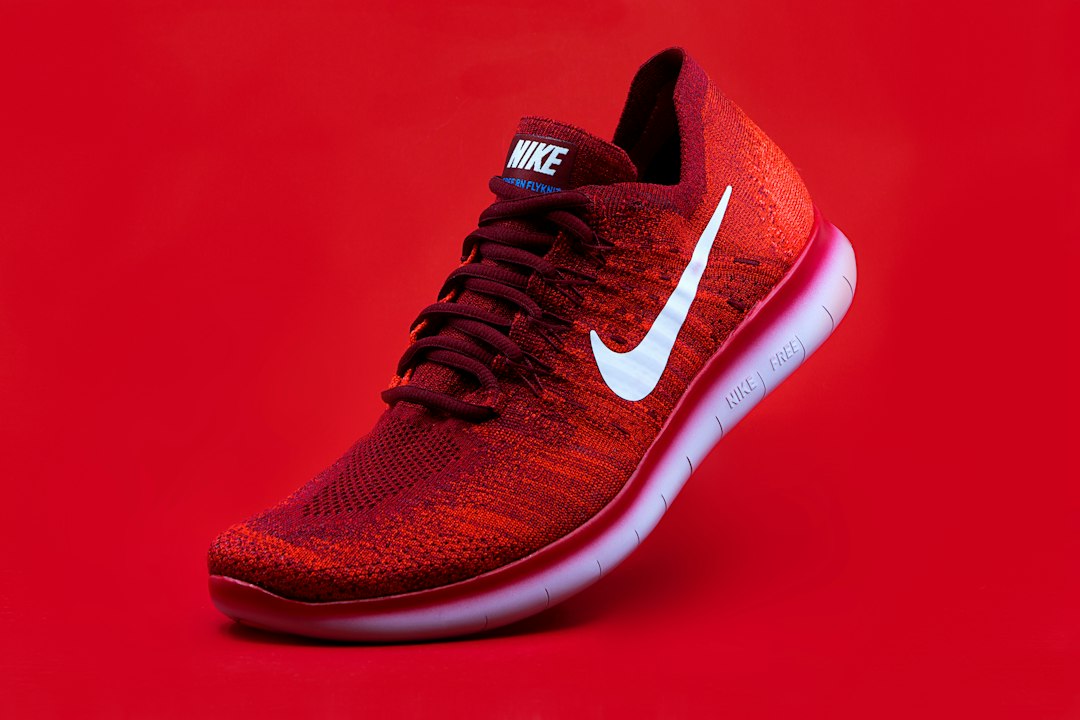
Nike may also invest more in technology-driven innovations. Adding smart features to athletic wear can enhance the consumer experience and differentiate products. Product managers will be key in identifying and developing these technological advancements to meet evolving expectations.
Ultimately, the impact on product innovation cycles will require product managers to be proactive and responsive. The ability to pivot quickly in response to market changes will be vital for Nike’s success in the coming years.
The ability to pivot quickly in response to market changes will be vital for Nike’s success in the coming years.
Potential Changes in Consumer Engagement Tactics
As Nike faces sales challenges, changes in consumer engagement tactics are expected. The company may focus on building stronger relationships with consumers through direct engagement. This could mean improving customer service channels and creating more interactive experiences.
Career Ahead’s analysis finds that Nike’s focus on direct-to-consumer sales may lead to more investment in e-commerce platforms. By enhancing the online shopping experience, the brand can foster loyalty and encourage repeat purchases. This shift is important as more consumers prefer online shopping for convenience.
Nike might also explore community-driven initiatives to strengthen its connection with consumers. Hosting events, workshops, or fitness challenges can create a sense of belonging. These initiatives promote brand loyalty and encourage consumers to share their experiences on social media, boosting brand visibility.

Moreover, Nike is likely to enhance its loyalty programs to reward repeat customers. By offering exclusive perks, discounts, or early access to new products, the company can encourage consumers to choose Nike over competitors. This strategy aligns with the growing trend of personalized rewards in marketing.
In essence, potential changes in consumer engagement tactics will require Nike to be more innovative and interactive. Marketing executives must implement these strategies effectively to maintain consumer loyalty and drive sales in a challenging market.
The current landscape poses significant challenges for Nike, but it also offers opportunities for growth and innovation.
The current landscape poses significant challenges for Nike, but it also offers opportunities for growth and innovation. As the company adapts its strategies, the focus will be on how effectively it can engage consumers and drive product innovation. The coming months will be critical in determining Nike’s path to recovery and its ability to reclaim its position as a market leader.
Frequently Asked Questions
What marketing strategies is Nike considering to improve sales?
Nike is focusing on personalized marketing campaigns and investing more in influencer partnerships. The brand aims to use data analytics to tailor messaging to specific consumer segments.
How will Nike’s product management approach change in response to the slump?
Nike is likely to adopt a more agile approach to product development, emphasizing collaboration and rapid consumer feedback. This will enable quicker responses to market demands.

What should Nike marketing executives do to adapt to the new strategy?
Marketing executives must stay aware of the revised strategies, focusing on consumer-centric approaches and enhancing digital engagement to drive sales.
Written by Career Ahead AI. AI can make mistakes, so verify key facts. Report errors to support@careeraheadonline.com.