No products in the cart.

NFTs Redefine the Art Economy: A Structural Shift in Career Capital and Institutional Power

Blockchain-enabled NFT platforms are redefining the art market’s power structures, turning royalty streams into a new form of career capital while forcing traditional institutions to adopt programmable, decentralized models.

Dek: The convergence of blockchain technology and high‑end art markets is creating a new career infrastructure. As NFTs unlock fractional ownership and programmable royalties, artists, technologists, and investors are renegotiating the pathways to economic mobility and leadership within a historically gate‑kept ecosystem.
Macro Context: From Brick‑and‑Mortar to Digital Ledger
The global art market, long measured by the annual turnover of auction houses and galleries, is projected to surpass $1.5 trillion by 2025—a trajectory accelerated by the digital pivot forced by the COVID‑19 pandemic [3]. Within this expansion, non‑fungible token (NFT) sales have climbed from under $200 million in 2020 to $13 billion in 2023, representing a 6,400 % year‑over‑year increase [2].
Beyond raw volume, NFTs introduce a structural mechanism for career capital formation. Traditional art careers have hinged on patronage networks, gallery representation, and the endorsement of a handful of auction houses. By contrast, blockchain‑based marketplaces allow creators to monetize directly, retain programmable royalties on secondary sales, and access a global collector base without geographic constraints. This realignment mirrors the democratizing impact of photography in the 19th century, which shifted artistic legitimacy from elite studios to portable, reproducible media [5].
The Core Mechanism: Blockchain, Smart Contracts, and Decentralized Access

At the heart of the transformation lies a triad of technical features:
The Core Mechanism: Blockchain, Smart Contracts, and Decentralized Access NFTs Redefine the Art Economy: A Structural Shift in Career Capital and Institutional Power At the heart of the transformation lies a triad of technical features:
- Immutable provenance – Each NFT is recorded on a public ledger, providing verifiable ownership history that cannot be altered. This reduces the information asymmetry that has historically favored established dealers who control authentication services [2].
- Programmable royalties – Smart contracts embed a percentage of every resale back to the original creator, typically ranging from 5 % to 10 %. Bee Bee Bee’s 2022 “MetaMosaic” series, for example, generated $2.3 million in secondary‑sale royalties within six months, a revenue stream unavailable in conventional markets [1].
- Decentralized entry points – Platforms such as OpenSea, Rarible, and emerging institutional portals like Sotheby’s Metaverse enable any internet‑connected participant to list, bid, or purchase works. The barrier to entry is reduced to a digital wallet and a modest gas fee, expanding the pool of potential creators and collectors by an estimated 35 % in emerging economies between 2021 and 2023 [4].
You may also like
 AI & Technology
OpenAI in Talks With UAE Funds, BlackRock for $30 Billion Round
OpenAI is negotiating a $30 billion funding round with BlackRock and UAE funds, which could reshape the AI startup ecosystem and attract significant investments in…
Read More →These mechanisms reconfigure the institutional power of traditional gatekeepers. Galleries no longer serve as the sole validators of scarcity; the blockchain itself becomes the arbiter of authenticity. Consequently, leadership in the art ecosystem is shifting toward technocratic actors who can navigate both aesthetic curation and decentralized finance.
Systemic Ripples: Disruption of Established Structures
Recalibration of Auction Houses and Galleries
Auction houses have responded by launching proprietary NFT platforms—Christie’s “Digital Art” division and Sotheby’s “Metaverse” auction—aiming to retain relevance and capture the asymmetric upside of secondary‑sale royalties [2]. Yet their legacy business models, predicated on physical consignments and in‑person bidding, clash with the speed and transparency of blockchain transactions. This tension creates a structural bifurcation: institutions that integrate programmable royalties and on‑chain provenance retain a competitive edge, while those that cling to analog processes risk marginalization.
Emergence of New Intermediaries
A cadre of “crypto‑curators” and data‑analytics firms now mediate between creators and collectors, offering services such as token minting, market timing, and community building. Firms like Yield Guild Games have applied gaming‑guild economics to art, aggregating capital to purchase high‑profile NFTs and distribute fractional ownership to token holders. This model parallels the 20th‑century rise of artist cooperatives, yet it leverages algorithmic governance to allocate economic returns, thereby reshaping the career trajectory of both artists and investors.
Cross‑Industry Innovation
The NFT surge fuels adjacent sectors—virtual reality (VR) exhibition spaces, generative AI art tools, and metaverse real‑estate development. Institutions such as the Museum of Modern Art (MoMA) have experimented with VR‑curated NFT shows, signaling a systemic integration of digital and physical cultural capital. This cross‑pollination expands the skill set required for art‑related careers, foregrounding data science, smart‑contract engineering, and community management alongside traditional curatorial expertise.
Human Capital Impact: Winners, Losers, and the New Career Trajectory
Artists: From Gate‑Keepered Recognition to Direct Monetization
Emerging creators who adopt NFT workflows can bypass the multi‑year apprenticeship typical of gallery representation. The case of Pak, whose “The Merge” sold for $91.8 million through a single‑buyer auction on Nifty Gateway, illustrates the asymmetric revenue potential for artists who master both creative and technical domains [1]. Moreover, the royalty structure ensures a continuous income stream, reinforcing long‑term career sustainability and reducing reliance on sporadic sales.
Collectors and Investors: Democratized Access, Concentrated Returns
Fractional NFT ownership lowers the capital threshold for participation in high‑end art investment, enabling a broader demographic to accrue art‑backed financial returns. However, data from the Art Basel & UBS Global Art Market Report 2023 shows that top‑tier NFT sales remain disproportionately captured by a network of early adopters and crypto‑wealthy individuals, suggesting a dual‑layered mobility where entry‑level participants gain exposure but limited upside [5].
You may also like
 AI & Technology
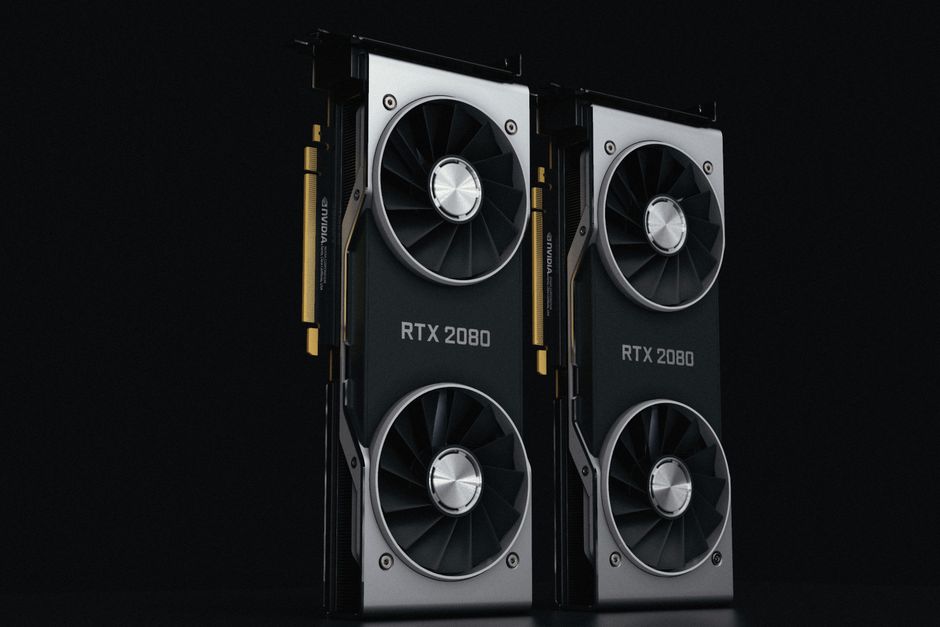
NVIDIA Boosts AI Factories with 20,000 GPUs in India, Malaysia
This expansion is part of a broader initiative to enhance computational capabilities, enabling advanced AI research and development.
Read More →This cross‑pollination expands the skill set required for art‑related careers, foregrounding data science, smart‑contract engineering, and community management alongside traditional curatorial expertise.
Traditional Dealers and Curators: Leadership Reorientation
Gallery owners who pivot to hybrid models—offering both physical exhibitions and NFT drops—retain relevance by positioning themselves as institutional bridges. The Leadership Index of the International Art Market Association (IAMA) indicates a 12 % rise in senior executives with blockchain credentials between 2022 and 2024, underscoring the emergent skill set required for institutional authority.
Technologists and Data Specialists: New Career Vectors
The demand for blockchain engineers, smart‑contract auditors, and NFT‑market analysts has surged, with salary benchmarks in major hubs rising 30 % year‑over‑year according to Glassdoor data for “NFT Engineer” roles. This creates a career pipeline that channels talent from fintech into the cultural sector, reinforcing an interdisciplinary leadership cadre.
Outlook: Structural Trajectories for 2027‑2030
- Regulatory Consolidation – Anticipated EU MiCA (Markets in Crypto‑Assets) regulations will standardize disclosure and anti‑money‑laundering protocols, potentially legitimizing NFTs as a recognized asset class and prompting institutional investors to allocate dedicated capital.
- Institutional Adoption – By 2028, at least 40 % of the top 100 auction houses are projected to host regular NFT sales, integrating smart‑contract royalties into their revenue models and redefining the economics of curatorial leadership.
- Skill Realignment – Art‑school curricula will embed blockchain fundamentals, creating a new generation of “digital curators” whose career capital includes both aesthetic judgment and tokenomics fluency.
- Economic Mobility – The diffusion of fractional ownership platforms could raise the median net‑worth increase for artists in emerging markets by 15 % over the next five years, provided that internet infrastructure and digital literacy keep pace with market growth.
- Structural Resilience – The symbiosis of physical and digital art ecosystems will generate a dual‑track market capable of withstanding macro‑economic shocks, as evidenced by the relative stability of NFT trading volume during the 2023 crypto downturn compared with traditional auction house sales [2].
Key Structural Insights
[Insight 1]: NFT marketplaces embed programmable royalties, converting art sales into a recurring revenue model that reshapes career capital for creators.
[Insight 2]: The decentralization of provenance erodes traditional gatekeeping, shifting institutional power toward technocratic leadership within the art ecosystem.
- [Insight 3]: Fractional ownership and cross‑industry integration expand economic mobility, but concentrated early‑adopter networks sustain asymmetric returns.