Gordon Ramsay’s UK Restaurants Report Losses Despite £100m Sales
Despite generating over £100 million in sales, Gordon Ramsay's UK restaurants reported significant losses, revealing operational inefficiencies that many restaurant owners can learn from. The situation underscores the importance of financial management strategies in the hospitality sector.
UK — Gordon Ramsay’s restaurant group reported losses of £5.8 million for the last financial year, despite sales exceeding £100 million for the first time. This highlights the financial challenges high-profile brands face in the competitive hospitality sector. The group operates 34 outlets, including well-known establishments like Savoy Grill and Pétrus, and experienced a slight sales increase of 3% compared to last year.
Ramsay’s restaurants benefited from his Netflix documentary, “Being Gordon Ramsay,” and the opening of new locations, including the group’s 100th restaurant in Bishopsgate, London. However, ongoing losses reveal deeper operational issues that could serve as a warning for other restaurant owners.
Financial Challenges in the Hospitality Sector
The restaurant industry has faced numerous challenges, particularly following the COVID-19 pandemic. Many establishments, including Ramsay’s, have struggled to maintain profitability despite rising sales. According to data from gordonramsayrestaurants.com, the group has heavily invested in expanding its reach, including both owned and licensed locations. However, this ambitious strategy has not yet resulted in sustainable profits.
Analysis indicates that the costs of operating multiple high-end restaurants can quickly erode profits. Even with sales over £100 million, the £5.8 million loss underscores the difficulties in managing expenses. Staffing and supply chain issues remain significant hurdles. CEO Andy Wenlock noted the “challenging macro environment” affecting the business’s performance.
The competitive UK dining scene, especially in London, demands constant innovation and adaptation. Ramsay’s restaurants must attract and retain diners amid numerous options. While Ramsay’s brand is known for high-quality dining, maintaining this reputation requires ongoing investment.
Restaurant owners need to balance quality service with effective cost management.
Addressing Operational Inefficiencies
Ramsay’s experience serves as a lesson for hospitality managers about the importance of cost control. Despite impressive sales, operational inefficiencies can severely impact financial health. Restaurant owners need to balance quality service with effective cost management.
Research suggests that implementing effective cost control measures can enhance profitability. This includes careful inventory management, optimizing staff schedules, and minimizing waste. For instance, Ramsay’s restaurants could streamline supply chain management to avoid overstocking ingredients that may go to waste.
Utilizing technology can also improve operational efficiency. Many restaurants are adopting point-of-sale systems that integrate inventory and customer management. By leveraging such technologies, Ramsay’s restaurants could reduce overhead costs and enhance service efficiency.
AI shopping agents are revolutionizing retail marketing. Brands must adapt their strategies to engage with these digital consumers effectively. This shift not only changes how…
Additionally, brand reputation significantly influences profitability. Ramsay’s restaurants have a strong brand identity, but meeting high customer expectations is essential. Consistent quality and service can foster repeat business, which is vital for long-term success.
Key Takeaways for Restaurant Owners
The financial struggles of Gordon Ramsay’s restaurant group offer valuable insights for other UK restaurant owners. First, they underscore the necessity of robust financial management strategies. Even successful brands must navigate financial pitfalls, making an understanding of cash flow, profit margins, and operational costs essential.
This situation also highlights the importance of adaptability in a changing market. Restaurant owners should stay informed about industry trends and be prepared to adjust their business strategies. Ramsay’s decision to expand internationally through partnerships reflects a strategic shift that may help mitigate risks in the UK market.
Even successful brands must navigate financial pitfalls, making an understanding of cash flow, profit margins, and operational costs essential.
Another critical lesson is the need for continuous improvement in operational efficiency. As demonstrated, even small sales increases do not guarantee profitability. Restaurant owners must regularly assess their operations to identify areas for enhancement, such as staff training programs to improve customer service or updating menu offerings to align with current dining trends.
Ultimately, the challenges faced by Ramsay’s restaurants mirror broader trends in the hospitality industry. As competition intensifies, restaurant owners must prioritize both quality and efficiency to thrive. Focusing on profitability will be crucial for the long-term viability of Ramsay’s brand and other establishments facing similar challenges.
Future Prospects for Ramsay’s Restaurants
The future for Ramsay’s restaurant group remains uncertain. With plans to enhance profitability and expand internationally, the success of these strategies will be critical. Will Ramsay’s brand reverse its fortunes, or will operational inefficiencies continue to pose challenges? The coming months will reveal how the group adapts to the evolving UK hospitality market.
Frequently Asked Questions
What financial strategies can UK restaurant owners adopt to avoid losses?
UK restaurant owners should focus on strong financial management strategies, including cash flow monitoring and cost control measures. Effective inventory management and optimizing staffing can also help reduce losses.
The 'Made in Restaurants' initiative is reshaping the restaurant industry by promoting local sourcing and community engagement, benefiting both restaurant owners and culinary students.
Even successful brands face financial challenges, and continuous improvement in operations is key to long-term profitability.
How can hospitality managers improve cost control in fine dining?
Hospitality managers can enhance cost control by utilizing technology for inventory management and staff scheduling. Regular assessments of operational efficiency can also help identify areas for cost reduction.
What lessons can restaurant owners learn from Gordon Ramsay’s financial struggles?
Restaurant owners can learn about the importance of financial management and operational efficiency from Ramsay’s struggles. Even successful brands face financial challenges, and continuous improvement in operations is key to long-term profitability.
Written by Career Ahead AI. AI can make mistakes, so verify key facts. Report errors to support@careeraheadonline.com.
Career Ahead AI is Career Ahead Magazine's in-house AI newsroom, reporting on careers, education, jobs and business. It produces original summaries and analysis drawn from publicly available sources, with those sources credited, and operates under the editorial oversight of the Career Ahead team. AI can make mistakes, so please tell us when something looks wrong. Corrections, copyright or takedown requests…
Modern banking is no longer just about financial services—it is increasingly a technology industry powered by infrastructure, artificial intelligence, and regulation. In…
Golden Visas are evolving fast—from Portugal’s policy shift to the UAE’s merit-based model. For Indians exploring global mobility, this 2025 guide compares…


 Entrepreneurship & Business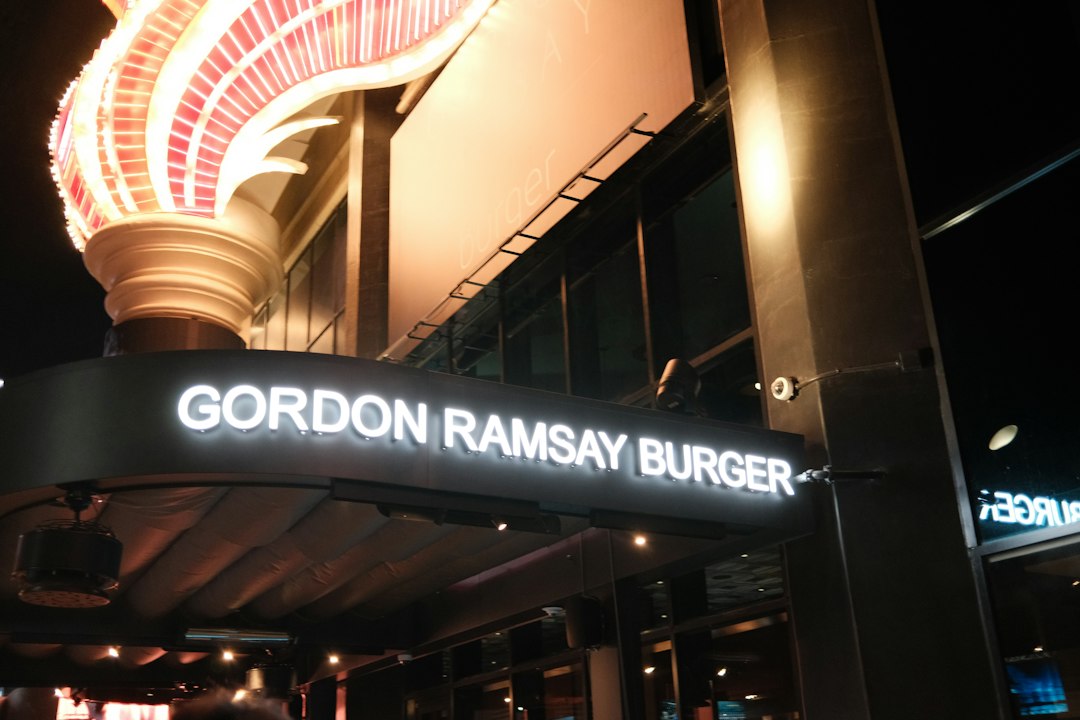
Entrepreneurship & Business