No products in the cart.

AI Drives Energy Transformation in Genesis Mission
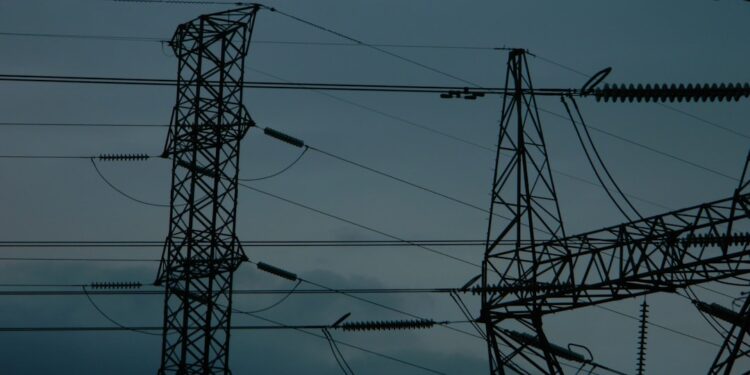
Discover how the Genesis Mission aims to revolutionize energy production and AI integration, as discussed by US Energy Secretary Chris Wright and NVIDIA's Ian Buck.

AI’s Role in Energy Transformation
The intersection of artificial intelligence and energy is becoming a focal point for the future of American innovation. At the SCSP AI+ Expo, US Energy Secretary Chris Wright and NVIDIA’s Ian Buck discussed this transformative journey under the Genesis Mission. Their conversation highlighted how AI can enhance energy production and distribution, ensuring a more robust infrastructure for the future.
Wright emphasized the importance of energy as a foundational resource for society. He stated, “Energy is life. The more energy you have, the more affordable energy you have, the more opportunities you have in your society.” This sentiment encapsulates the core of the Genesis Mission, which aims to leverage AI for scientific discovery in energy sectors.
According to blogs.nvidia.com, the Genesis Mission represents a collaborative effort between the US Department of Energy and NVIDIA, focusing on applying AI to solve complex energy challenges. This initiative is not merely about improving existing technologies; it aims to redefine how energy is produced and consumed, with a clear emphasis on sustainability and efficiency.
Understanding the Genesis Mission
The Genesis Mission is a strategic initiative designed to harness AI capabilities for advancing energy technologies. It involves building two AI supercomputers at Argonne National Laboratory, named Equinox and Solstice. These supercomputers will utilize NVIDIA’s advanced GPU technology to process vast amounts of data, enabling rapid advancements in energy research.
Equinox, equipped with 10,000 NVIDIA Grace Blackwell GPUs, is being established to tackle immediate energy challenges. In contrast, Solstice will utilize 100,000 GPUs, aiming to achieve unprecedented computational power for scientific research. Ian Buck noted that Solstice would deliver “5,000 exaflops,” a figure that dwarfs the total capacity of the current TOP500 supercomputer list combined.
This computational power will allow researchers to simulate complex energy systems, analyze vast datasets, and ultimately drive innovations in energy generation, including nuclear and renewable sources. The collaboration between the DOE and NVIDIA is expected to accelerate breakthroughs in energy efficiency and sustainability.
Equinox, equipped with 10,000 NVIDIA Grace Blackwell GPUs, is being established to tackle immediate energy challenges.
Policy Implications and Energy Landscape
You may also like
 Entrepreneurship & Business
Rivian’s sales pop as the company’s big R2 bet starts to pay off
This surge is particularly noteworthy as it comes amid a broader decline in the EV market, where overall sales have dropped nearly 24% year-over-year.
Read More →The implications of the Genesis Mission extend beyond technological advancements; they also encompass significant policy considerations. Wright pointed out that the US has seen a tripling of oil production and a doubling of natural gas output over the last two decades, yet electricity production has barely increased. This discrepancy poses a challenge, especially with the growing demand for electricity driven by AI technologies.
The Department of Energy is addressing this by leaning into all three pillars of the US energy grid: natural gas, nuclear, and coal. Wright highlighted the role of small modular reactors (SMRs) as a near-term solution to enhance nuclear energy production. He stated that three SMRs would go critical by July 4 of this year, marking a significant step forward in diversifying energy sources.
Moreover, the push for AI-driven improvements in the electricity grid is critical. Wright indicated that AI could dramatically reduce the time required for grid interconnection studies, transforming what once took years into a matter of weeks or even hours. This shift could streamline the integration of renewable energy sources and enhance grid resilience.
Contradictions and Debates in Energy Policy
While the Genesis Mission presents a promising future for energy and AI, it is not without its controversies. Critics argue that increased reliance on AI and data centers may lead to higher electricity costs and environmental concerns. Wright countered these fears by asserting that building more electrical generation capacity and data centers could actually lower electricity costs and strengthen the grid.
This ongoing debate highlights the need for policies that support workforce transitions in tandem with technological advancements.
This perspective highlights a broader debate within energy policy: the balance between immediate energy needs and long-term sustainability goals. Some stakeholders advocate for a more aggressive transition towards renewable sources, while others emphasize the importance of maintaining a diverse energy portfolio that includes fossil fuels.
Furthermore, the effectiveness of AI in driving energy innovations raises questions about the potential for job displacement in traditional energy sectors. As AI systems become more capable, there is concern that human roles may be diminished. This ongoing debate highlights the need for policies that support workforce transitions in tandem with technological advancements.
Future Outlook for AI and Energy Integration
You may also like
 Entrepreneurship & Business
Bajaj Finance set to mop up Rs 17,500 crore via QIP, warrants
Bajaj Finance plans to raise ₹17,500 crore through a qualified institutional placement (QIP) and warrants, marking its first major capital raise since November 2023. This…
Read More →The future of energy in America is poised for significant transformation through AI integration. As the Genesis Mission unfolds, we can expect rapid advancements in energy technologies that prioritize efficiency and sustainability. The collaboration between government and industry leaders like NVIDIA is essential for pioneering these innovations.
In the short term, we may see breakthroughs in energy management systems that utilize AI for predictive analytics, optimizing energy consumption across various sectors. Long-term, the potential for AI to drive advancements in fusion energy and other cutting-edge technologies could redefine the energy landscape entirely.

Moreover, as AI continues to evolve, its applications in energy will likely expand, influencing everything from smart grid technologies to energy storage solutions. The intersection of AI and energy will become a critical area of focus for researchers and policymakers alike.
As industries increasingly adopt AI technologies, the demand for skilled workers in data science, AI development, and energy management will grow.
Career Implications in the Energy Sector
The Genesis Mission and its emphasis on AI-driven energy solutions open new career pathways for young professionals. As industries increasingly adopt AI technologies, the demand for skilled workers in data science, AI development, and energy management will grow. This trend presents significant opportunities for students and job seekers looking to enter the energy sector.
Educational institutions will need to adapt their curricula to prepare students for these emerging roles. Programs focusing on AI, machine learning, and energy systems will become increasingly relevant. Moreover, internships and experiential learning opportunities in partnerships with organizations involved in the Genesis Mission could provide valuable hands-on experience.
In conclusion, the Genesis Mission represents a pivotal moment in the intersection of AI and energy. As the US embraces this initiative, it not only addresses current energy challenges but also paves the way for a future where technology and sustainability go hand in hand.
You may also like
 Entrepreneurship & Business
Zoho Arattai Challenges WhatsApp Business Pricing | Career Outlook
Arattai for Business is designed to facilitate communication within organizations and with customers. According to Zoho's founder, Sridhar Vembu, the platform not only supports messaging…
Read More →