No products in the cart.

NVIDIA Expands AI Factories with 20,000 GPUs
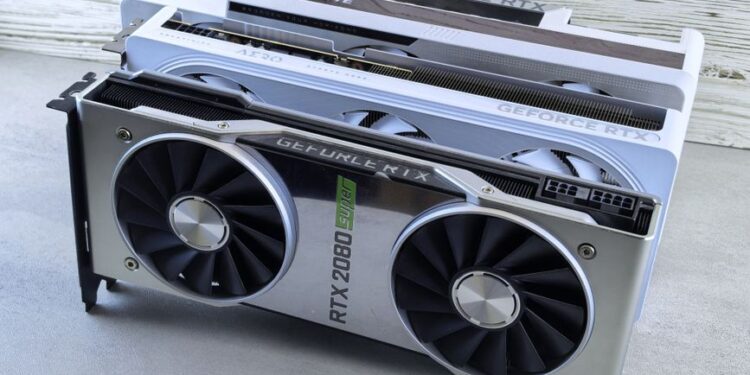
AM Intelligence has ordered 20,000 NVIDIA Rubin GPUs to enhance its AI infrastructure in India and Malaysia, following a previous commitment of 9,000 GPUs for its Hyderabad facility. This investment aims to significantly scale AI capabilities and integrate advanced technologies.

India and Malaysia — AM Intelligence (AMI) has ordered 20,000 NVIDIA Rubin GPUs to boost its AI infrastructure in both countries. This investment follows a previous commitment of 9,000 GPUs for its AI factory in Hyderabad. The new GPUs are expected to be deployed by the second quarter of 2027. The total capacity across these facilities will reach about 100 megawatts, making AMI one of the largest buyers of Rubin GPUs outside North America.
This order is part of AMI’s broader strategy to significantly scale its AI capabilities. Chairman Anil Chalamalasetty mentioned that both facilities will integrate advanced technologies. These include high-throughput RDMA over Converged Ethernet networking and liquid cooling systems. This design aims to support future generations of AI silicon, optimizing performance and efficiency. The strategic placement of these GPUs in India and Malaysia is expected to enhance the overall AI ecosystem in the region.
Increased Access to High-Performance Computing Resources
The deployment of 20,000 NVIDIA Rubin GPUs will greatly increase access to high-performance computing resources for data scientists and AI engineers in India and Malaysia. This advanced technology will help professionals tackle larger datasets and more complex algorithms. According to the Economic Times, these GPUs will speed up AI research and development, allowing for innovations that were limited by computational resources.
Career Ahead’s analysis shows that these GPUs will enable faster training of AI models. This speed is crucial for industries like finance and healthcare. With quicker access to computational power, data scientists can iterate on their models more rapidly. This leads to better outcomes and innovations in AI applications. Additionally, the GPUs will support more sophisticated AI techniques, such as deep learning and reinforcement learning, which need substantial computational resources.
This investment aligns with the growing trend of AI infrastructure development in emerging markets. As companies like AMI invest heavily in advanced computing resources, a skills gap may emerge. Data scientists and AI engineers must adapt to use these new resources effectively. This need could lead to a surge in demand for specialized training programs and educational resources. The National Association of Software and Service Companies (NASSCOM) predicts that the AI sector in India will see rapid growth, requiring a workforce skilled in the latest technologies.
The National Association of Software and Service Companies (NASSCOM) predicts that the AI sector in India will see rapid growth, requiring a workforce skilled in the latest technologies.
You may also like
 AI & Technology
Etched fields funding offers at $40B+ valuation, sources say | Career Outlook
Etched Fields has received funding offers valuing the company at over $40 billion, a significant increase from its previous $21 billion valuation. This rapid growth…
Read More →For AI engineers in Malaysia, this means opportunities to work on cutting-edge projects. The increased computational capacity could lead to new startups focused on AI solutions, driving job creation in the region. The Times of India reports that AI factories are expected to position Malaysia as a key player in the global AI landscape, attracting further investments and talent.
The rapid growth of AI infrastructure will also encourage collaboration between academia and industry. Research institutions may partner with companies to use these GPUs for innovative projects. This collaboration is vital for fostering a culture of innovation, where theoretical research can lead to practical applications that benefit society.
Potential Job Growth in AI and Data Science Fields
The order for NVIDIA GPUs is expected to stimulate job growth in the AI and data science sectors in India and Malaysia. As AMI expands its operations, the demand for skilled professionals will likely increase. The influx of NVIDIA GPUs will likely accelerate this growth, creating a stronger job market for data scientists and AI engineers.
The development of AI factories in Malaysia shows a strategic move to make the country a hub for AI innovation. As companies seek to utilize the new GPUs, there will be a greater need for professionals skilled in machine learning, data analytics, and AI system design. Career Ahead research indicates that this growth could lead to higher salaries for AI professionals. As demand exceeds supply, companies may offer competitive pay to attract top talent. This trend may encourage more young professionals to pursue careers in AI and data science, enriching the talent pool in both countries.
As the landscape changes, educational institutions may need to update their curricula to prepare students for these new roles. Collaborations between industry and academia could facilitate internships and training programs. This will ensure that graduates have the skills needed to thrive in this environment. Practical experience will be vital for students, as hands-on training with advanced technologies will be crucial for their future employability.
As companies seek to utilize the new GPUs, there will be a greater need for professionals skilled in machine learning, data analytics, and AI system design.
You may also like
 AI & Technology
China’s AI Champions Raise Billions Ahead of IPOs
China's AI sector is witnessing a remarkable surge in investment, with startups raising billions ahead of anticipated IPOs, reflecting strong market confidence and the potential…
Read More →The introduction of NVIDIA Rubin GPUs will enhance research capabilities in machine learning for both India and Malaysia. With more computational power, researchers can explore sophisticated algorithms and larger datasets. This can lead to breakthroughs in various fields. For example, researchers could develop more accurate predictive models for disease outbreaks or optimize supply chains using AI insights. This potential for innovation is crucial for addressing complex challenges faced by these countries.
Ultimately, the investment in NVIDIA GPUs represents a technological upgrade and a commitment to building a knowledge-based economy in India and Malaysia. The long-term effects of this investment will unfold as industries adapt and innovate. As the AI landscape evolves, stakeholders in both countries must remain agile. The success of this initiative will depend on how well companies, educational institutions, and policymakers collaborate to harness the full potential of these advanced technologies.
Frequently Asked Questions
What new skills should data scientists in India develop with the arrival of NVIDIA GPUs?
Data scientists in India should focus on skills in parallel processing and optimization techniques. Familiarity with frameworks like TensorFlow and PyTorch, which utilize GPU acceleration, will also be essential.
Professionals skilled in machine learning, data analytics, and AI system design will be in high demand.
How will the GPU order affect job opportunities for AI engineers in Malaysia?
The GPU order is expected to create many job opportunities for AI engineers in Malaysia as companies expand. Professionals skilled in machine learning, data analytics, and AI system design will be in high demand.
What should AI engineers do to prepare for the increased demand for GPU-based projects?
AI engineers should enhance their knowledge of GPU programming and optimization techniques. Understanding how to deploy AI models efficiently on GPU infrastructure will be essential for taking advantage of the new NVIDIA GPUs.
You may also like
 AI & Technology
Moonshot AI Eyes 2027 IPO After Reaching $50B Valuation
The anticipated IPO has generated considerable excitement among investors and industry observers alike. As the company prepares to go public, it could pave the way…
Read More →