No products in the cart.

Pentagon Halts Anthropic AI Use After Blacklisting | Career Outlook

The Pentagon has ceased using Anthropic’s AI tools after labeling the company a national security risk, marking a significant shift in defense technology procurement.

The Pentagon has stopped using Anthropic’s AI tools. This decision came after the company was labeled a national security supply chain risk. The announcement was made on October 5, 2026. It marks a big change in how the U.S. Department of Defense evaluates AI technologies for military use.
Secretary of Defense Pete Hegseth first called Anthropic a supply chain risk in February. This led to a phased removal of its products by August. However, reports showed that Anthropic’s Claude model was still in use until recently. This highlights the challenges of integrating AI tools into defense systems. According to BBC News, the Claude model was still used for key tasks like intelligence gathering and analysis, showing its importance in military operations against adversaries such as Iran.
As the Pentagon shifts to other AI providers like OpenAI and Google, this has major implications for defense contractors and procurement specialists. This transition could change existing contracts and future partnerships in defense technology. The Pentagon needs new AI solutions to maintain operational effectiveness while following national security protocols.
Reassessing AI Suppliers in Defense Contracts
The Pentagon’s decision to blacklist Anthropic reflects a larger trend of reviewing AI suppliers in defense contracts. This move was driven by concerns over Anthropic’s refusal to remove safety guardrails from its AI models. The Pentagon saw these guardrails as necessary for military applications. This incident shows the increasing scrutiny AI suppliers face regarding their technology’s alignment with national security interests. A federal appeals court recently upheld the Pentagon’s decision, reinforcing the legal basis for the blacklisting, as reported by Yahoo News.
Career Ahead’s analysis suggests that the Pentagon’s actions may lead to stricter evaluations of AI technologies used in defense. Contractors will need to show compliance with national security standards. This could result in a shift toward established firms with proven records in secure AI development. The Department of Defense may also prioritize partnerships with larger companies that can handle complex government procurement processes.
This could result in a shift toward established firms with proven records in secure AI development.
You may also like
 Government & Policy
Australia Enforces Stricter Student Visa Rules for Indians
Julian Hill MP, the Assistant Minister for International Education, announced these changes during the National Migration Conference. He emphasized the need for tighter pathways to…
Read More →Moreover, the Pentagon’s reliance on Anthropic’s Claude model for critical tasks like intelligence gathering shows how deeply AI is integrated into military operations. As defense contractors move to alternative AI solutions, they may face challenges in replicating the capabilities that Anthropic’s tools provided. The potential loss of innovative AI solutions from smaller firms could slow advancements in military technology, as noted in various analyses.
In this changing landscape, defense contractors must adapt to new AI procurement needs. The Pentagon’s decision may lead contractors to focus on partnerships with AI firms that meet government security protocols. This could limit the variety of technology options available in the market. As the Pentagon shifts its focus, it may also create new alliances among AI companies competing for government contracts. This dynamic could spark innovation in defense-related AI applications but raises concerns about the future of smaller AI firms that may struggle to meet strict security requirements.
Impact on AI Development Partnerships
The end of Anthropic’s AI tools in Pentagon operations signals a potential shift in AI development partnerships in defense. The Pentagon’s preference for established companies like OpenAI and Google suggests a trend toward consolidating partnerships with larger firms that can ensure compliance with national security standards. This preference is likely to change the competitive landscape of AI suppliers in the defense sector.
This move could slow the growth of emerging AI companies that provide innovative solutions but lack the resources to navigate complex government procurement processes. As smaller firms are sidelined, the defense industry may miss out on cutting-edge technologies that could boost military capabilities. The implications of this shift go beyond immediate procurement strategies, potentially affecting the overall competitiveness of the defense technology sector.
Additionally, the Pentagon’s decision could lead to a more cautious approach in future collaborations. Defense contractors may hesitate to work with AI companies that have not passed rigorous security assessments. This could stifle innovation in the sector. Career Ahead research indicates that as AI partnerships evolve, defense contractors will need to rethink their strategies for engaging with AI suppliers. This may involve investing in compliance measures and increasing transparency in AI development processes to meet government expectations.
Career Ahead research indicates that as AI partnerships evolve, defense contractors will need to rethink their strategies for engaging with AI suppliers.
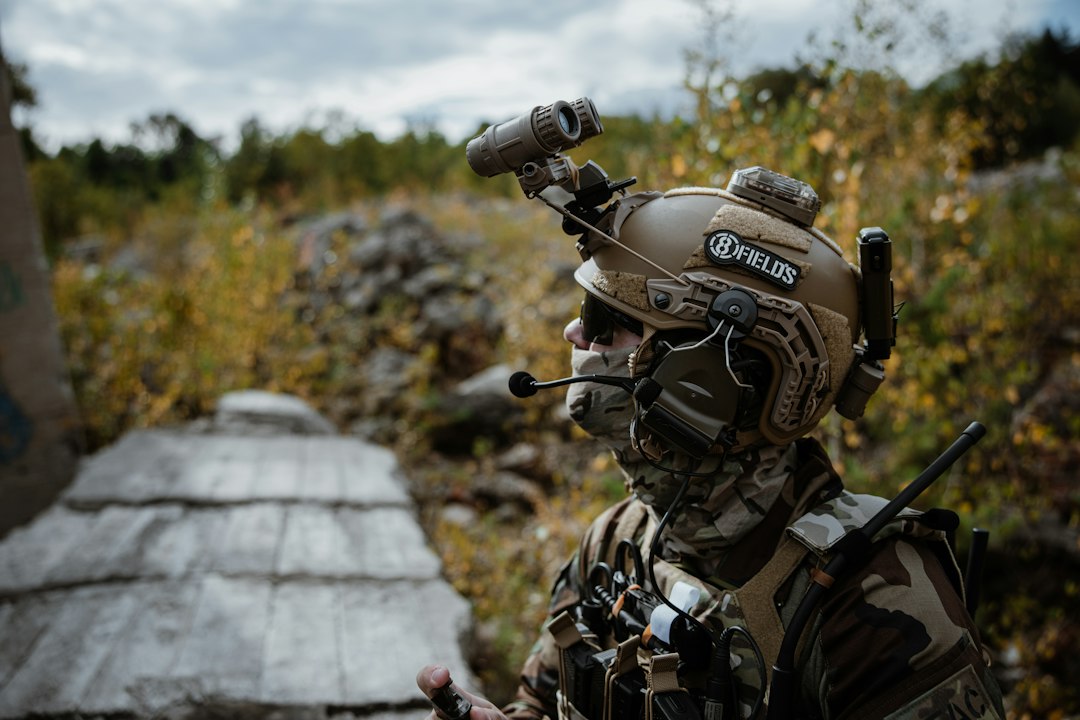
The changing procurement landscape raises questions about the future of AI in defense. As contractors adapt to new requirements, the focus on security may overshadow the need for agility and innovation in technology development. The Pentagon’s decision to stop using Anthropic AI tools requires a reevaluation of procurement strategies for government technology. With the blacklisting of a key AI supplier, the Department of Defense must now navigate a landscape where security concerns dominate decision-making.
You may also like
 Government & Policy
AI Firms Face Scrutiny
Australia's new regulations for AI firms aim to enhance compliance and data privacy, reflecting a global trend towards stricter oversight in the tech industry. The…
Read More →As defense contractors turn to alternative AI solutions, they will likely face more scrutiny from government procurement specialists. This shift may lead to stricter vetting processes, requiring contractors to provide detailed documentation on the security and reliability of their AI technologies. Furthermore, the Pentagon’s preference for established AI firms could create a ripple effect across the defense contracting landscape. Smaller companies may find it hard to compete, leading to a concentration of power among a few dominant players in the AI sector.
Career Ahead analysis shows that this trend could result in a homogenization of AI technologies used in defense. This may limit the variety of solutions available for military operations. As the Pentagon consolidates its partnerships, there may be fewer chances for innovative approaches that could improve operational effectiveness. Looking ahead, the impact of the Pentagon’s decision could reshape the entire defense technology ecosystem. As the Department of Defense continues to prioritize national security in its procurement strategies, balancing innovation and security will become increasingly crucial for defense contractors and AI suppliers alike.
Frequently Asked Questions
What alternatives to Anthropic AI tools are available for defense contractors?
Defense contractors can explore AI tools from established firms like OpenAI and Google. These alternatives may offer similar capabilities while aligning with government security protocols.
What steps should government procurement specialists take in light of this development?
How does the Pentagon’s blacklisting affect current contracts with AI suppliers?
The Pentagon’s decision to stop using Anthropic AI tools may lead to a reassessment of existing contracts. Contractors must ensure that their AI technologies meet strict security requirements to keep their partnerships with the Department of Defense.

What steps should government procurement specialists take in light of this development?
Government procurement specialists should improve their vetting processes for AI suppliers. This ensures compliance with national security standards. They may need to require detailed documentation and assessments of AI technologies before awarding contracts.
You may also like
 Government & Policy
₹10,000 Crore SME Growth Fund Gains Union Cabinet Attention
The SME Growth Fund is part of a broader strategy that includes liquidity measures and professional support for SMEs.
Read More →