No products in the cart.

Oil back above $100 as US to and the New Career Landscape
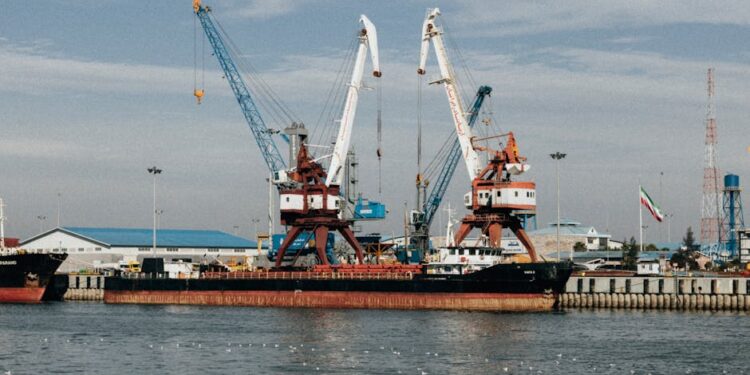
Oil prices have surged above $100 per barrel following the announcement of a US blockade on Iranian ports after failed peace talks. This move raises concerns about global energy supply and economic stability.

Oil prices have surged back above $100 per barrel following the announcement of a US blockade on Iranian ports. This escalation comes after failed peace talks between the US and Iran, leading to heightened tensions in the Middle East. President Trump ordered the blockade to begin immediately, raising concerns about the global energy supply and economic stability.
Brent crude oil jumped to $102.02 a barrel, while West Texas Intermediate rose by 7.5% to $103.78. The sharp increase in oil prices reflects growing fears of escalating tensions in the Middle East and potential disruptions in global oil shipments. The blockade specifically targets the Strait of Hormuz, a crucial shipping route through which approximately one-fifth of the world’s oil passes.
The US Navy’s involvement in enforcing this blockade has raised alarms about the potential for increased military conflict in the region. This blockade affects not only oil shipments but also other essential goods, raising questions about the broader implications for global trade.
Market Reactions to the Blockade
The immediate effect of the blockade has been a spike in oil prices, which had recently dipped below $100 after a conditional ceasefire agreement was reached. Analysts believe that the failure of these negotiations will lead to a deeper global energy crisis. The blockade could significantly disrupt supplies, especially as Iran continues to export oil despite international pressure.
According to maritime intelligence firm Windward, over 58 million barrels of oil have left Iran’s Kharg Island since the US-Israel conflict began. Most of this oil has been directed toward China, indicating that despite sanctions, Iran finds ways to maintain its export levels. As noted by Bloomberg, ships carrying Iranian oil have been seen anchoring off the coast of India, highlighting the complexities of enforcing sanctions in the region.
Market Reactions to the Blockade The immediate effect of the blockade has been a spike in oil prices, which had recently dipped below $100 after a conditional ceasefire agreement was reached.
You may also like
 Government & Policy
DA Hike 2027: Allowance Soars to 67%
India is set to increase the Dearness Allowance (DA) for government employees and pensioners to 67% in January 2027, responding to rising inflation. This adjustment…
Read More →Market analysts are divided on the long-term implications of the blockade. Some believe that if the blockade is fully enforced, oil prices could soar even higher, while others argue that traders still hope for a resolution in diplomatic talks. The uncertainty surrounding the situation is creating volatility in oil markets worldwide.
Economist Neil Shearing from Capital Economics noted that the blockade could be a strategic move to pressure China into mediating a ceasefire. This adds another layer of complexity to the already tense geopolitical landscape.
Global Economic Impact of Rising Oil Prices
The increase in oil prices is likely to have far-reaching effects on the global economy. Higher fuel costs will translate into increased prices for transportation, heating, and consumer goods. This could lead to inflationary pressures in many countries, particularly those heavily reliant on imported oil.
Countries in Asia, for example, are already feeling the pinch as they depend significantly on Middle Eastern oil. The rising costs could strain their economies, leading to potential social unrest. Japan and South Korea, in particular, are already seeing declines in their stock markets as investors react to the news. According to BBC News, the surge in oil prices is causing significant concern among policymakers in these nations, who fear the economic fallout from sustained high fuel costs.
Furthermore, the blockade raises questions about the stability of the Strait of Hormuz. David Satterfield, a former Special Envoy for Middle East Humanitarian Issues, highlighted that the Gulf region is vital for more than just oil; it is also crucial for shipping other essential goods like aluminum and fertilizers. Disruptions in these supplies could have a cascading effect on global markets.
David Satterfield, a former Special Envoy for Middle East Humanitarian Issues, highlighted that the Gulf region is vital for more than just oil; it is also crucial for shipping other essential goods like aluminum and fertilizers.

As the situation unfolds, businesses and consumers alike will have to brace for potential disruptions. The longer the blockade lasts, the more profound the economic consequences will be. The interconnectedness of global economies means that even minor disruptions in oil supply can lead to widespread economic instability.
You may also like
 Government & Policy
US jobs market sees sharp slowdown ahead of midterm elections | Career Outlook
This slowdown is particularly relevant for human resources managers, retail hiring managers, and tech recruiters, as it reflects broader economic trends that could lead to…
Read More →Future Developments and Market Sentiment
The future of oil prices and the global economy hinges on how the situation evolves in the coming weeks. Will the US fully enforce the blockade, or will diplomatic efforts resume? The answers to these questions will significantly impact market stability.
Analysts are closely monitoring the reactions of both the US and Iran. If Iran retaliates against the blockade, it could escalate tensions further, leading to military confrontations that would disrupt oil supplies even more. Conversely, if negotiations resume, there might be hope for a resolution that could stabilize prices.

In the meantime, stock markets are already responding to the uncertainty. Major European indexes have seen declines, reflecting investor concerns about rising oil prices and their economic implications. As the situation develops, market volatility is expected to continue.
The coming days will be crucial in determining how these dynamics play out.
This situation serves as a reminder of the interconnectedness of global economies and the potential for geopolitical events to create ripple effects across various sectors. The coming days will be crucial in determining how these dynamics play out.
The implications of the US blockade on Iranian ports are significant, with the potential to reshape energy markets and influence global economic stability. As tensions remain high, stakeholders will need to remain vigilant and responsive to the rapidly changing landscape.
You may also like
 Government & Policy
Why do I have to pay for buses if
As public transport systems increasingly adopt digital payment methods, users without smartphones are at a disadvantage. A letter from a concerned citizen in Scotland noted…
Read More →