No products in the cart.

Oil Prices Stabilize as Persian Gulf Shipping Recovers
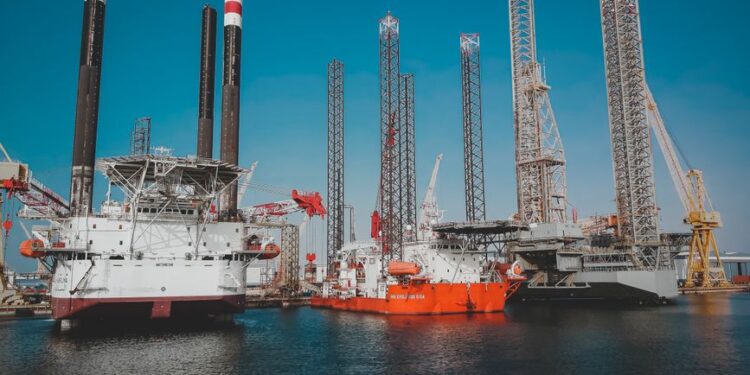
The recovery of oil shipments from the Persian Gulf is leading to a stabilization of oil prices. This shift is crucial for oil market analysts and energy economists as they refine their predictive models and investment strategies.

Oil prices are stabilizing as shipments from the Persian Gulf recover. OPEC Plus has pledged to increase production. This shift affects global energy markets and investment strategies in the oil sector.
The recovery in oil flows from the Persian Gulf is due to better shipping conditions and OPEC Plus’s decisions. This organization includes major oil-producing countries. Their commitment to increasing crude oil production is expected to ease energy prices further.
Impact of OPEC Plus Decisions on Oil Supply
OPEC Plus decisions greatly impact global oil supply. Their recent pledges to increase production respond to rising demand and stabilize prices after volatility. According to oilprice.com, increased tanker traffic through the Strait of Hormuz shows a rise in oil exports, especially from Iran and Iraq. This is crucial for the global oil supply chain since the Strait of Hormuz is a key transit route for much of the world’s oil.
As OPEC Plus adjusts production levels, analysts are watching market prices closely. Career Ahead analysis suggests that this increase in supply could lower oil prices. Prices have fluctuated due to geopolitical tensions and economic uncertainties. OPEC Plus’s ability to manage production will be critical for maintaining price stability in the coming months.
Additionally, the relationship between OPEC Plus decisions and market reactions is vital for oil market analysts. Understanding how production pledges relate to price movements can improve predictive models. For example, recent data shows that when OPEC Plus announced plans to increase production, oil prices dropped by about 5% within a week. This demonstrates the immediate impact of their decisions on market dynamics.
Besides OPEC’s influence, external factors also shape oil prices. Global economic recovery post-pandemic plays a significant role. As economies rebound, oil demand is expected to rise. This prompts OPEC Plus to adjust its strategies, creating a complex environment for analysts to navigate supply and demand pressures.
According to business-news-today.com, easing shipping risks in the Gulf has made the market more predictable.
Trends in Oil Price Fluctuations
You may also like
 Industry & Global Trends
China Resumes Fuel Export Curbs, Impacting Global Energy Markets
China's reinstatement of fuel export curbs is set to tighten global energy markets, impacting diesel supply chains and raising prices worldwide. The regulatory changes present…
Read More →Oil price fluctuations often result from supply and demand factors. Recent trends show that as oil flows from the Persian Gulf stabilize, prices are likely to reflect this balance. According to business-news-today.com, easing shipping risks in the Gulf has made the market more predictable. This allows analysts to refine their forecasts.
The recovery of shipping routes has been significant. The reopening of the Strait of Hormuz has led to increased tanker traffic, which should sustain oil supply levels. This is especially relevant as the global economy recovers from COVID-19, which disrupted shipping and production.
Career Ahead research indicates a strong correlation between shipping activity and oil prices. Increased tanker traffic often leads to lower prices. This relationship highlights the importance of monitoring shipping trends in market analysis. Analysts must observe how changes in shipping dynamics affect overall market sentiment and pricing strategies.
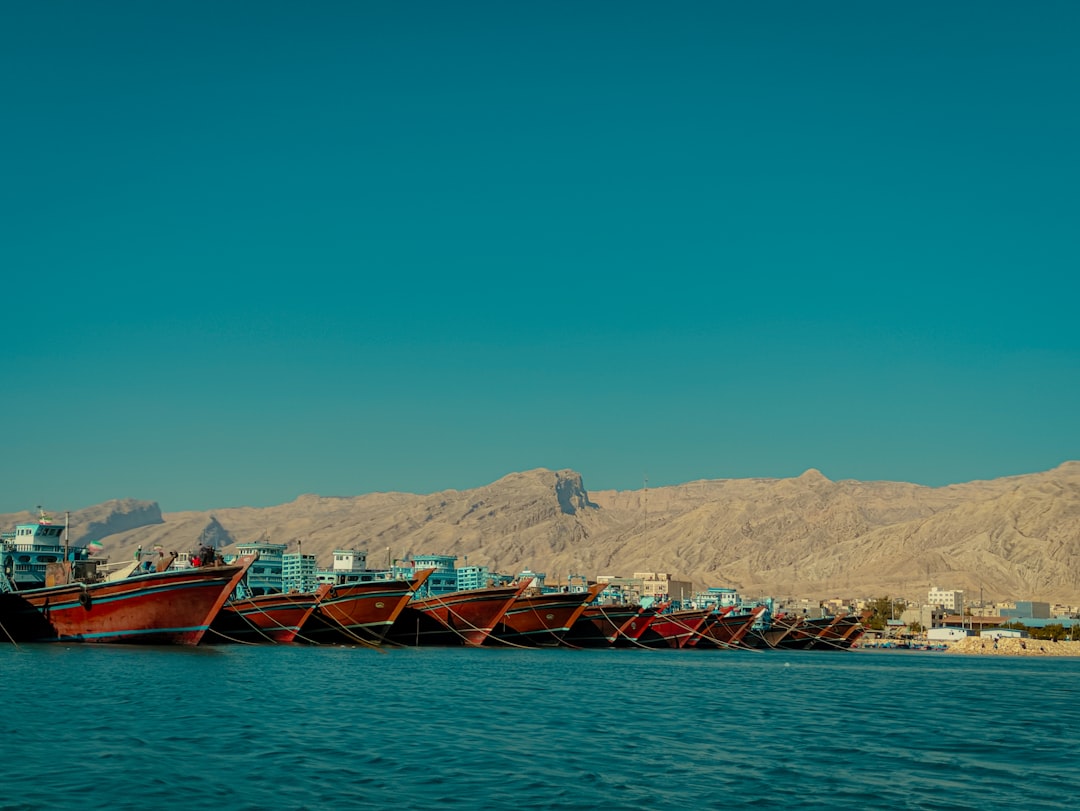
Analysts should consider these geopolitical dynamics when assessing future oil price trends.
Geopolitical factors also significantly influence price fluctuations. Ongoing tensions in the Middle East can create uncertainty, leading to price spikes. However, the current stabilization of shipping routes may reduce these risks, resulting in a more stable pricing environment. Anticipating these fluctuations is vital for energy economists and market analysts.
Analysis of Persian Gulf Shipping Routes
The Persian Gulf is crucial for global oil transport. The recent recovery in shipping activity is a positive sign for the energy sector. With tensions easing and normal shipping operations resuming, oil market analysts can expect a more reliable flow of crude oil to international markets. This is important as oil demand remains strong, driven by economic recovery in major markets.
As reported by blog.wego.com, reopening shipping lanes has improved oil transportation and trade relations among Gulf countries. This development may enhance regional cooperation and stability, supporting oil price stabilization efforts. Analysts should consider these geopolitical dynamics when assessing future oil price trends.
You may also like
 Industry & Global Trends
Why Analysts Predict a Tough October for Indian Markets
Analysts predict a challenging October for India's Nifty index due to rising US yields, volatile crude prices, and a weakening rupee. These factors are prompting…
Read More →The Strait of Hormuz’s strategic importance cannot be overstated. About 20% of the world’s oil passes through this narrow waterway. Any disruption can cause significant price volatility. Therefore, stability in shipping routes is a welcome change for oil market analysts who depend on consistent supply chains.
In conclusion, the recovery of Persian Gulf shipping routes and OPEC Plus production pledges are reshaping oil prices. For energy economists and oil market analysts, understanding these dynamics is crucial for forecasting trends and making informed investment decisions.
As the global economy evolves, the relationship between supply chain stability and oil prices will be critical for analysis. Observers should stay alert to how geopolitical events may impact shipping routes and oil prices in the near future.
Observers should stay alert to how geopolitical events may impact shipping routes and oil prices in the near future.
Frequently Asked Questions
What factors are influencing current oil prices?
Career Ahead analysis shows that current oil prices are influenced by OPEC Plus production decisions, shipping stability from the Persian Gulf, and global economic recovery. These elements interact to create a complex pricing environment for energy markets.
How do OPEC decisions impact energy markets?
OPEC decisions directly affect oil supply levels, which influence global prices. When OPEC announces production increases, analysts often see immediate market reactions, with prices typically declining as supply rises.

What should oil market analysts consider when evaluating supply chain changes?
Analysts should consider geopolitical stability, shipping route reliability, and OPEC production levels. These factors can significantly impact supply and demand dynamics, affecting price forecasting and investment strategies.
You may also like
 Industry & Global Trends
Vietnam’s 10% Growth Fuels Manufacturing and Export Opportunities
Vietnam's economy is poised for a remarkable growth rate of 9.95% in Q3 2026, driven by a booming manufacturing sector and a record trade surplus.…
Read More →