No products in the cart.

Oil Prices Surge Toward $100 a Barrel After Houthi Attacks
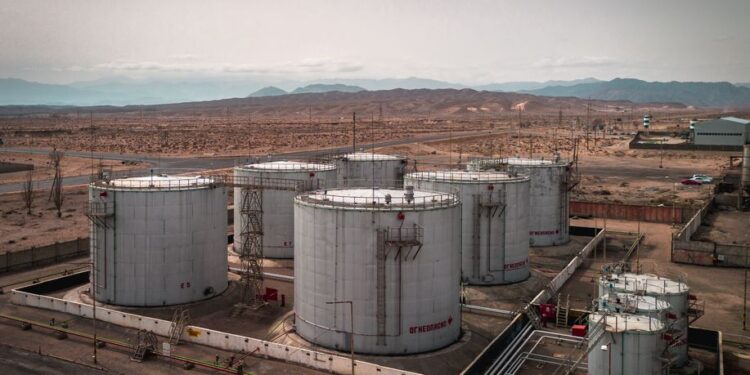
The recent Houthi attacks have sent Brent crude prices soaring toward $100 a barrel, raising concerns among investors and analysts about the stability of the energy market. This trend could signal a prolonged period of high oil prices, affecting global supply chains and investment strategies in the energy sector.

Oil prices are rising toward $100 a barrel after recent Houthi attacks on oil infrastructure in the Middle East. These attacks have raised concerns about oil supply security, causing Brent crude prices to surge. Analysts believe this trend will continue, impacting the energy market and investment strategies significantly.
The Houthi attacks targeted key oil facilities, increasing geopolitical tensions in the region. This escalation has raised fears of further disruptions in oil supply. The global market is still recovering from previous shocks, and ongoing tensions between Iran and the United States continue to influence oil prices.
Geopolitical Tensions and Oil Price Dynamics
Recent events in the Middle East show how geopolitical tensions can affect oil prices. After the Houthi attacks, Brent crude oil rose by over 3%. This increase reflects immediate market reactions to supply threats. A report by Reuters states that the price rise is a direct response to fears of ongoing conflicts disrupting oil supply chains.
Career Ahead’s analysis shows that historical data reveals similar patterns after past geopolitical events. For example, during the Gulf War and other military conflicts, oil prices spiked due to fears of supply disruptions. This trend suggests that investors should prepare for potential volatility in the coming months as the situation evolves.
Market analysts are adjusting their forecasts based on these developments. A report from TipRanks notes that oil prices could remain high, especially if conflicts escalate. This adjustment reflects concerns among energy market analysts about the stability of oil supplies amid geopolitical risks.
The current situation highlights the need to monitor geopolitical developments and their potential impact on energy markets.
As the global economy recovers from the pandemic, the relationship between geopolitical tensions and oil prices will be crucial for investors. The current situation highlights the need to monitor geopolitical developments and their potential impact on energy markets.
You may also like
 Industry & Global Trends
Mergers Reshape Automation Careers at Schneider Electric
Schneider Electric's aggressive investments in automation are reshaping the industry landscape in Europe. This shift is set to create significant job opportunities for automation engineers…
Read More →
Investment Strategies Amidst High Oil Prices
The recent surge in oil prices presents challenges and opportunities for oil and gas investors. With Brent crude nearing $100 a barrel, investors must reevaluate their strategies in this volatile environment. Rising prices may increase revenues for oil companies but could also lead to demand destruction as consumers face higher costs.
Career Ahead analysis suggests that investors should diversify their portfolios to reduce risks from high oil prices. Investing in alternative energy sources or companies focused on energy efficiency could provide a hedge against potential downturns in the oil market. Companies that adapt well to changing energy dynamics may also offer promising investment opportunities.
Energy market analysts are likely to revise their oil demand assessments due to the current geopolitical climate. Ongoing uncertainty may lead to a cautious approach to forecasting demand, especially if economic conditions fluctuate with rising oil prices. Investors should stay informed about these changes to make educated decisions.
Understanding the broader implications of high oil prices is essential.
Understanding the broader implications of high oil prices is essential. Sustained high prices could reshape global energy supply chains, as countries may seek to reduce reliance on oil imports from unstable regions. This shift could lead to increased investments in renewable energy and alternative fuels, further affecting market dynamics.
As the situation unfolds, oil and gas investors must remain vigilant. The relationship between geopolitical events and oil prices will continue to shape investment landscapes, creating both risks and opportunities in the energy sector.
You may also like
 Industry & Global Trends
Sensex Surges 473 Points as Softer US Jobs Data Boosts Indian Market
The Indian stock market experienced a notable boost as the Sensex surged by 473 points and the Nifty gained 134 points, driven by softer-than-expected US…
Read More →Wider Implications for the Global Economy
The rise in oil prices affects the global economy beyond the energy sector. Higher oil prices can lead to increased inflation, impacting consumer spending and overall economic growth. CNBC reports that sustained high oil prices could strain household budgets, reducing consumer confidence and spending.
Career Ahead has identified that sectors reliant on oil, such as transportation and manufacturing, may face higher operational costs. This situation could lead companies to pass costs to consumers, worsening inflationary pressures. Central banks may need to adjust monetary policies to counteract rising inflation, potentially leading to higher interest rates.
The geopolitical landscape will also shape economic responses to rising oil prices. Countries that heavily rely on oil imports may seek to diversify their energy sources to reduce risks from price volatility. This shift could lead to increased investments in renewable energy and energy efficiency technologies, changing the global energy landscape.
As businesses and consumers adapt to these changes, the long-term effects of rising oil prices will likely reshape market dynamics.
As businesses and consumers adapt to these changes, the long-term effects of rising oil prices will likely reshape market dynamics. Investors should prepare for shifts in consumer behavior as the economy evolves in response to sustained high oil prices.
The ongoing situation highlights the interconnectedness of global markets and the importance of monitoring geopolitical developments. As investors navigate this complex landscape, understanding the broader implications of rising oil prices will be crucial for informed decisions in the coming months.
Frequently Asked Questions
What factors are driving the current rise in oil prices?
Career Ahead analysis shows that geopolitical tensions, especially the recent Houthi attacks, significantly influence oil prices. These events raise concerns about supply disruptions, prompting market reactions that drive prices higher.
How should energy market analysts adjust their forecasts in light of recent events?
You may also like
 Industry & Global Trends
Etched fields funding offers at $40B+ valuation, sources say
Etched Fields is in talks for funding offers valuing the company at over $40 billion, reflecting a significant shift in the funding landscape for AI…
Read More →Energy market analysts should consider the potential for sustained high oil prices and adjust their demand forecasts. Monitoring geopolitical developments will be crucial for making accurate predictions in this volatile environment.
What investment strategies should oil and gas investors consider during periods of high volatility?
Investors should diversify their portfolios to mitigate risks from high oil prices. Investing in alternative energy sources and companies focused on energy efficiency may provide a hedge against potential downturns in the oil market.