No products in the cart.

OpenAI Hires Uber India Chief for Major Market Expansion

OpenAI has appointed Prabhjeet Singh, the former president of Uber India and South Asia, as its managing director for India, reflecting its commitment to the growing AI market in the region.

OpenAI has appointed Prabhjeet Singh, the former president of Uber India and South Asia, as its managing director for India. This strategic move, announced on June 26, 2026, aims to enhance OpenAI’s presence in what it considers its second-largest market after the United States. Singh will officially join OpenAI in September, where he will oversee consumer growth, enterprise adoption, partnerships, regulatory engagement, and operations in India.
This recruitment reflects OpenAI’s ongoing commitment to the Indian market, which has seen a surge in demand for AI technologies. The company opened its first office in New Delhi in August 2025 and has plans to establish additional offices in Mumbai and Bengaluru. OpenAI’s rapid expansion in India is part of a broader strategy to tap into the country’s vast developer base and growing interest in AI solutions. As noted by TechCrunch, Singh’s appointment is a clear indication of OpenAI’s intent to scale its operations significantly in a market that it has identified as critical for its global strategy.
Impact on Leadership Dynamics in AI Companies
The addition of Singh to OpenAI’s leadership team is poised to alter the competitive landscape for tech executives in India. With Singh’s extensive experience in leading Uber’s operations in a diverse market, he brings valuable insights into navigating the intricacies of the Indian tech ecosystem. His appointment signals a shift towards more localized leadership strategies within global tech firms aiming to strengthen their foothold in India.
Career Ahead’s analysis finds that Singh’s leadership style and strategic vision will likely influence how AI companies in India approach market penetration and partnership development. As competition intensifies, other firms may need to rethink their leadership models and operational strategies to keep pace with OpenAI’s aggressive expansion. Singh’s proven track record at Uber, where he successfully managed complex operations and fostered partnerships, will be instrumental in shaping OpenAI’s approach to collaboration with local startups and educational institutions.
Singh’s proven track record at Uber, where he successfully managed complex operations and fostered partnerships, will be instrumental in shaping OpenAI’s approach to collaboration with local startups and educational institutions.
You may also like
 AI & Technology
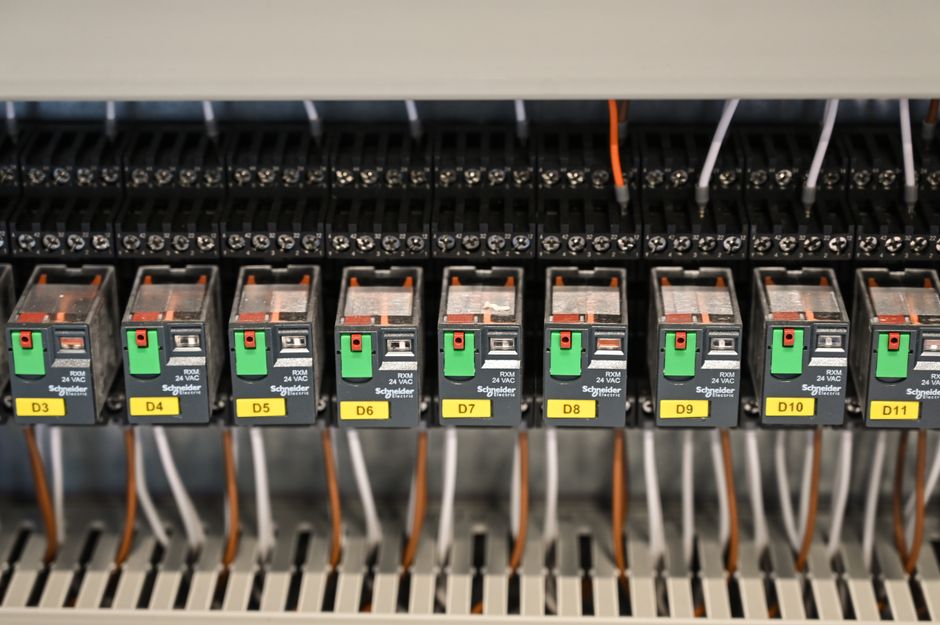
Schneider Expands in AI With $23 Billion Acquisition
Schneider Electric's $23 billion acquisition of PTC marks a pivotal moment in the AI landscape, creating new job opportunities and driving innovation across various sectors.
Read More →Moreover, Singh’s role will likely foster a culture of innovation and collaboration within OpenAI, encouraging teams to leverage local insights to create tailored solutions for Indian consumers and enterprises. This shift could inspire other tech companies to adopt similar approaches, prioritizing local leadership to better address regional challenges and opportunities. As Singh takes the helm, he will also be tasked with navigating regulatory landscapes and building relationships with key stakeholders in the Indian government. His background in managing complex operations at Uber will be crucial in establishing OpenAI as a trusted partner in India’s evolving AI policy framework.
Singh’s leadership is expected to catalyze a more dynamic interaction between OpenAI and Indian regulatory bodies, which is essential for fostering an environment conducive to AI innovation. As highlighted by sources like NDTV, Singh’s experience will be vital in ensuring that OpenAI aligns its operations with India’s regulatory expectations, thereby enhancing its credibility and operational efficiency in the region.
Shifts in Startup Culture and AI Adoption in India
Singh’s appointment comes at a time when India is rapidly emerging as a crucial battleground for AI development. The country boasts a vast pool of tech talent and a growing appetite for AI solutions, making it an attractive market for companies like OpenAI. As Singh leads the charge, we can expect a significant shift in how startups in India approach AI adoption and innovation.
Singh’s leadership may catalyze increased investment in AI research and development, further solidifying India’s position as a global AI hub.
OpenAI’s investment in leadership and infrastructure in India may prompt other startups to follow suit, creating a ripple effect throughout the tech ecosystem. The presence of a strong leader like Singh could encourage budding entrepreneurs to explore AI-driven solutions, fostering a culture of experimentation and collaboration. Furthermore, Singh’s track record at Uber demonstrates his ability to scale operations in competitive environments. This experience will be instrumental in guiding OpenAI’s strategy to foster partnerships with Indian startups and educational institutions, ultimately driving AI adoption across various sectors.
As OpenAI continues to forge partnerships with major Indian conglomerates like Reliance and Tata Group, the company is likely to play a pivotal role in shaping the future of AI in India. Singh’s leadership may catalyze increased investment in AI research and development, further solidifying India’s position as a global AI hub. The implications of this shift are profound, as it may lead to a more collaborative ecosystem where startups and established firms work together to innovate and push the boundaries of AI technology.
You may also like
 AI & Technology
Counter‑offer power hinges on five high‑impact skills
BLS data show median weekly earnings grew 4.1% in 2023, while Deloitte’s 2023 Global Human Capital.
Read More →
With OpenAI’s aggressive hiring strategy in India, the competition for tech talent is set to escalate significantly. The company is actively seeking AI deployment engineers, developer experience engineers, and other specialized roles, which will intensify the battle for skilled professionals in a market already facing talent shortages. Career Ahead research indicates that as OpenAI ramps up its presence, other tech firms will likely need to enhance their recruitment strategies to attract top talent. This could lead to a surge in salaries and benefits offered by competing companies, as they strive to retain and attract skilled workers.
Moreover, the demand for AI expertise will likely drive educational institutions to adapt their curricula, focusing on equipping students with the necessary skills to thrive in an increasingly AI-driven job market. This shift could result in a more robust pipeline of talent, ready to meet the demands of leading tech companies. As the competition heats up, AI product managers and tech executives in startups must be prepared to navigate this changing landscape. They will need to focus on developing unique value propositions to attract and retain talent while fostering an environment that promotes innovation and growth.
OpenAI’s strategic moves in India not only signify its commitment to the market but also highlight the importance of local leadership in driving success. As the company continues to expand, it will be essential for other firms to closely monitor these developments and adapt their strategies accordingly. As we look ahead, the question remains: how will OpenAI’s leadership impact the broader AI ecosystem in India, and what strategies will other companies adopt to keep pace with this rapidly evolving landscape?
This shift may necessitate a reevaluation of their operational strategies and leadership approaches to attract skilled professionals and foster innovation.
Frequently Asked Questions
What are the implications of OpenAI hiring Uber India’s chief for AI product managers?
Career Ahead analysis shows that OpenAI’s appointment of Prabhjeet Singh signals a shift towards localized leadership in AI companies. AI product managers in India may need to adapt their strategies to remain competitive in a market increasingly influenced by strong leadership from global firms.
How might this change affect tech executives in startups?
As OpenAI enhances its presence in India, tech executives in startups will face increased competition for talent and partnerships. This shift may necessitate a reevaluation of their operational strategies and leadership approaches to attract skilled professionals and foster innovation.
What should AI product managers do about the increasing competition in the Indian market?
AI product managers should focus on developing unique value propositions and fostering a culture of innovation within their teams. As competition intensifies, understanding local market needs and leveraging partnerships will be crucial for success.
You may also like
 AI & Technology
Strategic career pivots reshape professional capital
The labor market of 2026 is no longer defined by linear tenure but by fluid skill assemblages that institutions reward.
Read More →