No products in the cart.

OpenAI shelves landmark £31bn UK investment package and the New Career Landscape

OpenAI has paused its plans for a £31 billion investment in the UK, citing high energy costs and regulatory challenges. The Stargate UK project aimed to enhance the country's AI capabilities but is now on hold due to unfavorable conditions.


London, UK — OpenAI has announced a significant pause in its plans for a landmark £31 billion investment in the UK. The company cites high energy costs and regulatory challenges as key reasons for this decision. The Stargate UK project was intended to enhance the UK’s artificial intelligence capabilities, but recent developments have put this ambitious plan on hold.
The Stargate UK initiative was part of a broader agreement between the UK and US to bolster AI investments in Britain. Announced last September, this deal aimed to inject £31 billion into the UK tech sector, positioning the country as a leader in AI development. However, OpenAI’s recent statement reveals that the conditions necessary for long-term investment are currently lacking.
OpenAI’s spokesperson emphasized the potential for the UK’s AI future but noted that the company would proceed only when energy costs and regulatory frameworks become more favorable. This announcement has raised concerns about the viability of future tech investments in the UK, particularly as energy prices soar amid ongoing geopolitical tensions.
Rising Energy Costs and Their Effects
Rising energy costs are not just a concern for OpenAI but for the entire tech sector in the UK. Reports indicate that the UK has some of the highest industrial electricity prices in Europe, a situation exacerbated by the recent US-Israel conflict impacting global energy markets. As a result, many tech firms are reconsidering their investment strategies in the region. According to a report by the BBC, these soaring energy costs are compelling companies to reassess their operational footprints, leading to a potential slowdown in technological advancement.
Sam Richards, CEO of the pro-growth campaign group Britain Remade, stated that OpenAI’s decision serves as a warning sign. He noted that high energy costs and slow regulatory processes could deter global tech firms from investing in the UK. This situation poses a significant challenge for the UK government, which has been eager to establish the country as a hub for AI and technology.
Sam Richards, CEO of the pro-growth campaign group Britain Remade, stated that OpenAI’s decision serves as a warning sign.
Additionally, the anticipated supercomputer project, which was expected to be a cornerstone of the Stargate initiative, remains stalled. Initial plans suggested that the supercomputer would be operational by the end of 2026; however, as of now, the site is still under construction. Concerns about the project’s feasibility have grown, with industry experts questioning whether the necessary expertise and resources will be available to meet the ambitious timeline.
Regulatory Challenges Facing Investment
You may also like
 AI & Technology
AI Officials Face Scrutiny Over Technology Risks Amid Public Concern
As public concerns about artificial intelligence grow, officials are under scrutiny for their lack of transparency and accountability. This article examines the implications for policy…
Read More →Regulatory uncertainty has also played a crucial role in OpenAI’s decision to pause its investment plans. The UK government has been under pressure to create a regulatory environment that fosters innovation while ensuring safety and security. However, the pace of regulatory reform has been slow, leading to frustration within the tech community. The Guardian reported that without clear and supportive regulations, companies like OpenAI may hesitate to commit to large-scale investments. The UK’s ambition to become a leading player in the AI sector could be jeopardized if the government fails to address these concerns promptly.
Furthermore, the economic landscape is shifting. The ongoing war in the Middle East has contributed to rising inflation and uncertainty in global markets. This environment makes it challenging for tech companies to justify substantial investments in new projects, especially when faced with fluctuating operational costs. The geopolitical tensions have not only affected energy prices but have also created a ripple effect across various sectors, complicating investment decisions.
Implications for the UK Tech Sector
The implications of OpenAI’s decision extend beyond the company itself. The pause in the Stargate UK project raises questions about the future of AI development in the country. With high energy costs and regulatory challenges, the UK risks falling behind other nations in the global AI race.
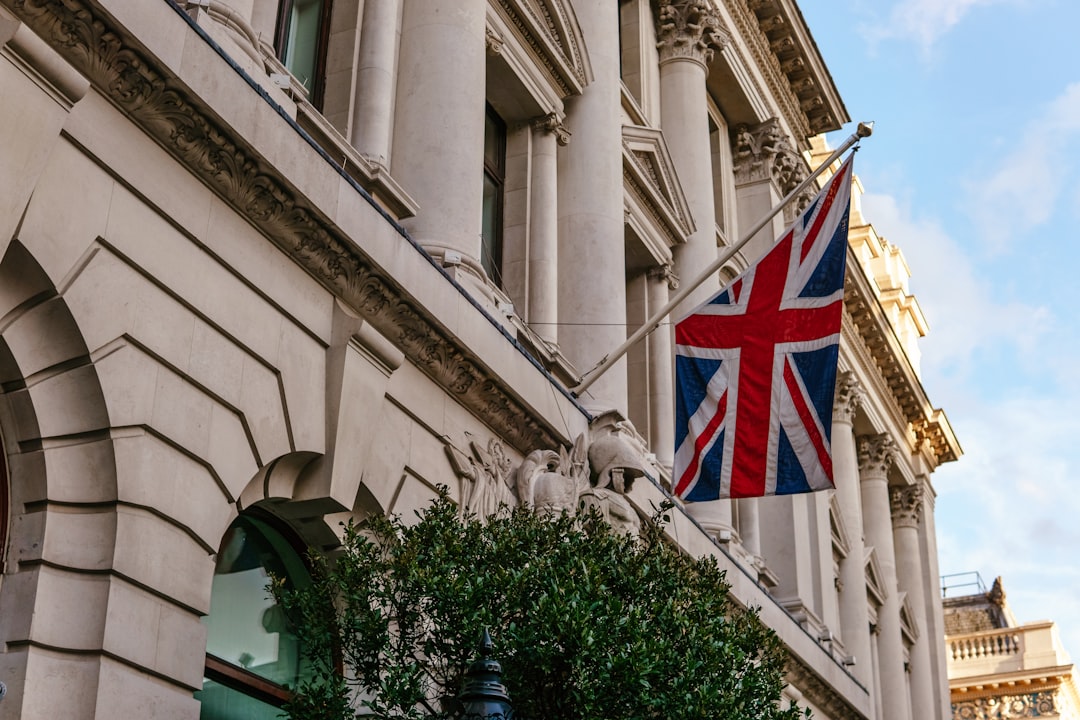
As tech giants reassess their strategies, the UK government must find ways to attract and retain investment. This may involve revising energy policies, streamlining regulatory processes, and providing incentives for companies to invest in the local economy.
The pause in the Stargate UK project raises questions about the future of AI development in the country.
Moreover, the situation highlights the interconnectedness of global events and their impact on local economies. As energy prices fluctuate due to international conflicts, the UK must adapt to ensure its tech sector remains competitive.
Future Prospects for AI in the UK
Ultimately, the future of AI in the UK hangs in the balance. OpenAI’s decision serves as a critical indicator of the challenges facing the tech industry. How the government responds to these challenges will determine whether the UK can reclaim its position as a leader in artificial intelligence.
You may also like
 AI & Technology
AI Safety Must Match Rapid Capability Growth
OpenAI CEO Sam Altman emphasizes the urgent need for evolving safety measures in AI development as capabilities expand, highlighting the importance of aligning AI systems…
Read More →This situation prompts a pressing question: Will the UK government take the necessary steps to create a conducive environment for tech investments, or will it continue to face setbacks as companies like OpenAI reconsider their commitments?