No products in the cart.

The unfinished business of the India-U.K. trade deal | Explained | Workforce Shift

The CETA aims to strengthen economic ties between India and the U.K. as both nations seek to bolster their economies post-pandemic, but unresolved issues could limit its effectiveness.

India and the U.K. have made a big move in their trade relationship. They implemented the Comprehensive Economic and Trade Agreement (CETA) on July 15, 2026. This agreement cuts tariffs on 99% of Indian exports to the U.K. and eases mobility rules for professionals. However, some critical issues remain unresolved. These could affect trade negotiators and import-export business owners in both countries.
The CETA aims to strengthen economic ties between India and the U.K. Both nations want to boost their economies after the pandemic. Despite these positive steps, important areas like investment protection, patent regulations, and carbon border taxes still need negotiation. This raises concerns about the long-term effectiveness of the agreement. A report by The Hindu suggests that these unresolved issues could limit the benefits of the trade deal, especially for small and medium enterprises (SMEs) that may struggle with complex regulations.
Impact of Tariff Changes on Specific Goods
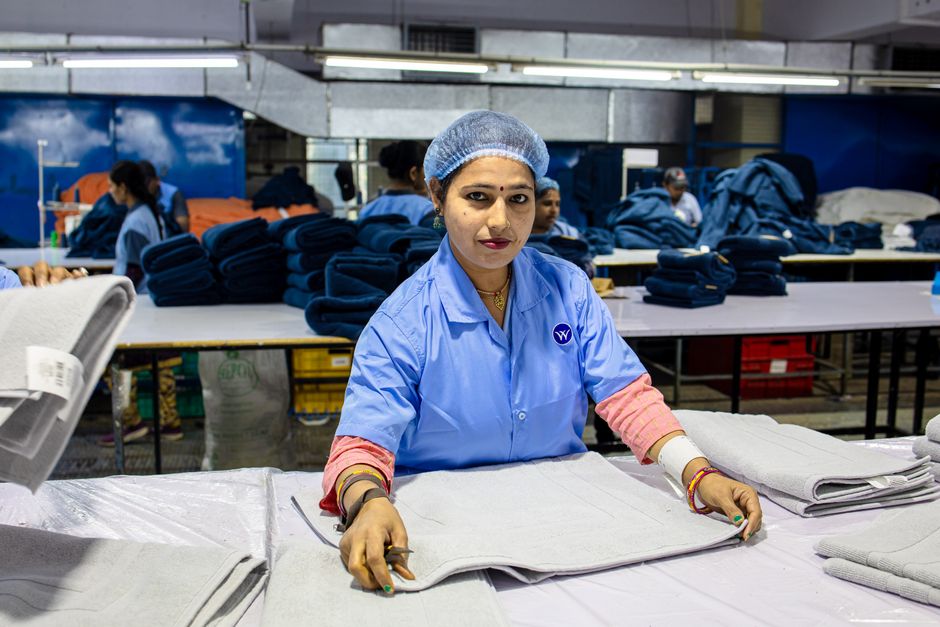
The reduction of tariffs on Indian exports is a major development. It is especially important for sectors like textiles, agriculture, and technology. With 99% of goods facing lower tariffs, Indian exporters can gain a competitive edge in the U.K. market. For example, textiles, a key part of India’s exports, will see lower costs, making them more attractive to U.K. consumers.
However, the agreement does not solve some complex challenges. Indian farmers may gain market access, but they also face competition from U.K. agricultural products that might be subsidized. This could create difficulties for Indian farmers already dealing with low margins. The Telegraph India notes that a lack of a comprehensive framework for agricultural standards could worsen these challenges. Indian farmers may struggle to meet strict U.K. quality requirements.
Additionally, the U.K. has concerns about food safety and quality standards. These could act as non-tariff barriers for Indian exporters. Unclear standards may discourage some businesses from fully engaging with the U.K. market, leading to missed opportunities. Career Ahead research shows that while tariff reductions are positive, the absence of a solid investment framework could limit growth. Without guarantees on investment protection, businesses may hesitate to commit resources, restricting future trade expansion.
Career Ahead research shows that while tariff reductions are positive, the absence of a solid investment framework could limit growth.
You may also like
45% of Indian Exports to the U.S. Exempt | Career Outlook
India's Commerce Ministry announces that 45% of exports to the U.S. will be exempt from new tariffs, impacting pricing strategies and competitiveness for exporters in…
Read More →In summary, while tariff reductions can boost exports, challenges related to agricultural competition and non-tariff barriers could hinder Indian exporters. The potential for increased trade volume must be balanced with the realities of market access and regulatory compliance, which are vital for the CETA’s success.
New Market Access Opportunities for Indian Exporters
The CETA opens new opportunities for Indian exporters, especially in pharmaceuticals and technology. Indian pharmaceutical companies have faced hurdles in entering the U.K. market due to strict intellectual property laws. Although the agreement reduces tariffs, it does not change existing patent regulations that protect U.K. drug manufacturers. Section 3(d) of The Patents Act, 1970, still prevents pharmaceutical companies from getting new patents for minor modifications. This allows Indian manufacturers to produce generic versions of drugs after patents expire, keeping their competitive edge in the generic drug market.
However, U.K. pharmaceutical companies may find it hard to access the Indian market. They will still face competition from Indian generics. The U.K. exports about £26 billion worth of medicines globally, but only £127 million, or 0.5%, goes to India. This gap shows the challenges U.K. firms will encounter in entering the Indian market, even with tariff reductions. Moreover, the agreement lacks a clear investment protection framework, which could deter U.K. pharmaceutical companies from investing in India. Without clear dispute resolution processes, potential investors may hesitate, limiting growth opportunities for both sides.
In conclusion, while the CETA offers new opportunities for Indian exporters, unresolved issues around intellectual property and investment protection could limit these benefits. As The Hindu analysis highlights, the future of the trade relationship will depend on how these issues are addressed in future negotiations.

As The Hindu analysis highlights, the future of the trade relationship will depend on how these issues are addressed in future negotiations.
The CETA also introduces complexities for U.K. businesses wanting to export to India. A major concern is the Carbon Border Adjustment Mechanism (CBAM), which will start in January 2027. This mechanism will impose fees on carbon-intensive imports, affecting sectors like steel and aluminum.
Indian exporters in these sectors may be at a disadvantage if their production is seen as more carbon-intensive than U.K. processes. While the CETA reduces tariffs, the costs from CBAM could offset those benefits. Indian exporters must evaluate their carbon footprints carefully. Additionally, U.K. businesses may struggle with India’s complex regulatory landscape. The lack of a dedicated section on investment protection in the CETA raises concerns about the safety of U.K. investments in India. Unclear dispute resolution processes could deter U.K. companies from entering or expanding in the Indian market.
You may also like
 International Trade
45% of Indian Exports to the U.S. Exempt
India's Commerce Ministry announces that 45% of exports to the U.S. will be exempt from a new 10% tariff, significantly impacting pricing strategies and export…
Read More →Career Ahead’s analysis suggests that without a clear way to resolve disputes and protect investments, U.K. companies might choose to invest elsewhere. This could mean missed opportunities for India to attract foreign direct investment, which is crucial for its economic growth. While the CETA has opened trade doors, unresolved regulatory issues pose significant challenges for U.K. businesses wanting to engage with India.
Trade negotiators and import-export business owners must stay alert as these developments unfold. Ongoing discussions about investment protection and regulatory standards will be key to the long-term success of the CETA and its impact on both economies.
Frequently Asked Questions
What are the implications of the India-U.K. trade deal for trade negotiators?
Trade negotiators must navigate the complexities of the CETA. Unresolved issues about investment protection and regulatory standards will greatly influence future trade relations between India and the U.K.
These areas are critical for ensuring the CETA’s long-term success and fostering economic growth.
How will the India-U.K. trade deal affect import-export businesses?
The CETA opens new market access opportunities for Indian exporters. However, it poses challenges for U.K. businesses due to regulatory hurdles. Import-export businesses must adapt to maximize their benefits.

What should trade negotiators do to prepare for the outcomes of the India-U.K. trade deal?
Trade negotiators should focus on addressing unresolved issues about investment protection and regulatory standards. These areas are critical for ensuring the CETA’s long-term success and fostering economic growth.
You may also like
China’s Rare Earth Export Controls Impact Europe
China's recent export controls on rare earth materials are set to disrupt critical supply chains for electric motor manufacturing and defense technology in Europe, posing…
Read More →