No products in the cart.

Lufthansa confirms €3 bn upgrade to India
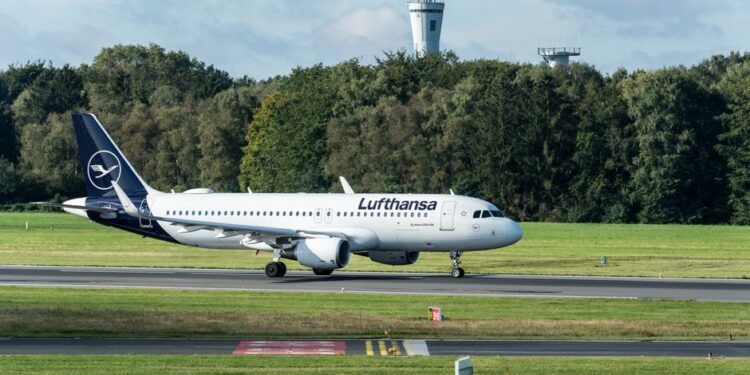
The upgrade includes new-generation seating and cabin technology, which Lufthansa sees as essential to meet the rising demand from Indian travelers.

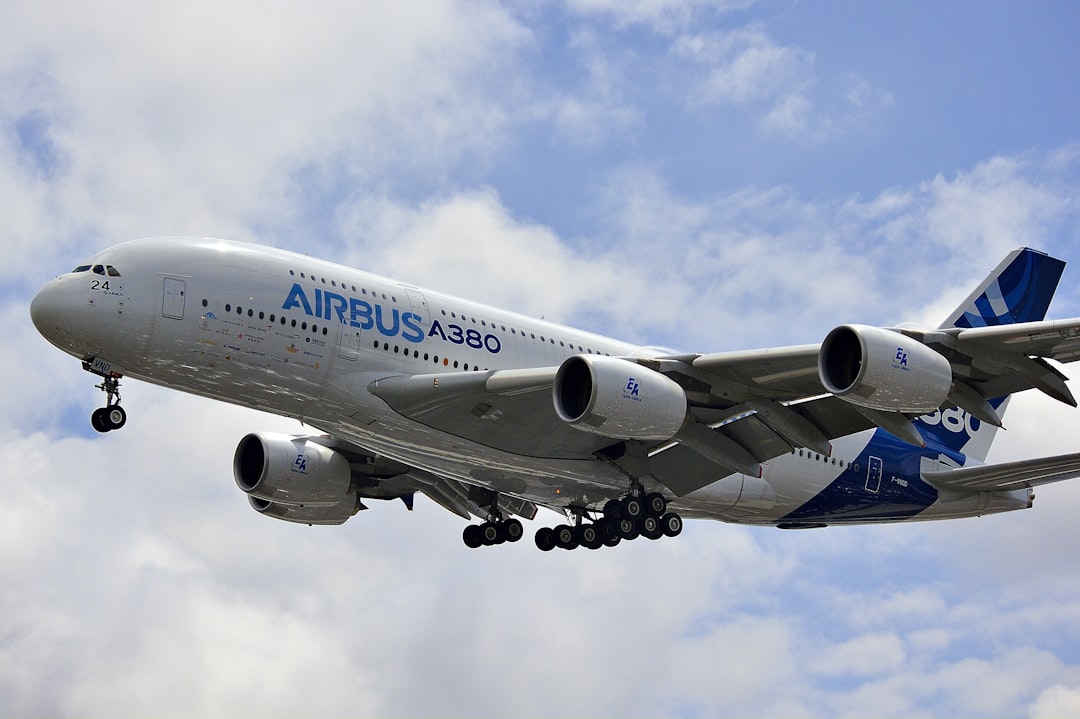
Germany — Lufthansa has confirmed a significant investment of €3 billion to upgrade its fleet serving the Indian market. This decision aims to enhance passenger experience and expand operational capacity, particularly on the Mumbai-Munich route, which will feature the Airbus A380 capable of seating 571 passengers. The announcement comes at a time when Germany is becoming an increasingly popular travel destination for Indian tourists, as highlighted by recent data from the German National Tourist Office (GNTO).
The upgrade includes new-generation seating and cabin technology, which Lufthansa sees as essential to meet the rising demand from Indian travelers. Kevin Markette, Senior Director of Sales for South Asia at Lufthansa Group, emphasized that this investment reflects the airline’s commitment to the Indian market. The move is also part of a broader strategy to enhance fuel efficiency and sustainability, factors that are becoming increasingly important in the aviation industry. According to the Economic Times, this fleet enhancement is not just about capacity but also about providing a premium experience that caters to the evolving expectations of Indian travelers, who are increasingly seeking luxury and comfort in their travel experiences.
Impact on Airline Operations and Job Opportunities
This fleet upgrade is expected to have a profound effect on airline operations and job creation within the aviation sector. As Lufthansa expands its capacity, it will likely require more personnel to manage increased passenger volumes and operational complexities. Career Ahead’s analysis shows that roles in airline operations management will evolve, with a greater emphasis on efficiency and passenger experience. This shift could lead to the creation of new positions focused on customer service, logistics, and technology integration.
Additionally, the introduction of the Airbus A380 will necessitate specialized training for pilots and crew members, further expanding the job market. The need for skilled professionals who can operate and maintain these advanced aircraft will likely increase, providing opportunities for aviation graduates and experienced personnel alike. This trend aligns with the broader growth of the aviation industry in India, where air travel is expected to double in the coming years. The Outlook Traveller notes that the demand for air travel is not only increasing in volume but also in the diversity of services offered, which will require a workforce adept in various aspects of aviation management.
Furthermore, as Lufthansa enhances its operational capabilities, it will also need to invest in training programs for its staff. This includes not only flight crews but also ground staff who will play a crucial role in ensuring smooth operations. The focus on technology and customer service will require ongoing professional development, creating a pathway for career advancement within the airline. The integration of advanced technologies in operations will necessitate a workforce that is not only skilled but also adaptable to new systems and processes.
The focus on technology and customer service will require ongoing professional development, creating a pathway for career advancement within the airline.
Overall, the implications of this fleet upgrade extend beyond just operational changes; they signal a robust job market for aviation professionals. With the demand for air travel rising, those equipped with the right skills will find numerous opportunities in the coming years. As noted by the Economic Times, the investment also reflects a strategic move to tap into the booming Indian outbound travel market, which is expected to grow significantly, further enhancing job prospects in the sector.
You may also like
 Industry & Global Trends
AI Hiring Hits 83,100 Amid 31,921 Layoffs in India
The duality of hiring and layoffs reflects a broader trend in the Indian job market, particularly in the tech sector, where AI is reshaping roles…
Read More →Tourism Marketing Opportunities for Germany
Germany is positioning itself as a prime destination for Indian travelers, with the GNTO unveiling four key campaign themes for 2026: culture, city life, cuisine, and nature. This strategic focus aims to attract a diverse range of tourists from India, reflecting the evolving preferences of travelers. As the number of Indian tourists visiting Germany increases, so does the need for effective tourism marketing strategies that resonate with this audience.
Career Ahead research identifies that the rise in overnight stays by Indian travelers, which reached 350,488 in the January-May 2026 period, underscores the growing interest in Germany. With 61% of Indian travelers indicating they are likely to visit Germany in the near future, tourism marketing specialists will play a crucial role in shaping perceptions and experiences. They will need to develop targeted campaigns that highlight Germany’s unique offerings, such as its rich cultural heritage and vibrant city life. The recent policy shift by Germany to eliminate transit visa requirements for Indian travelers is expected to further boost tourism, making it easier for Indian tourists to explore not only Germany but also other European destinations.
Moreover, as the tourism landscape evolves, the integration of digital marketing strategies will become increasingly important. Tourism marketing professionals will need to leverage social media platforms and online travel communities to engage potential travelers effectively. The focus on personalized experiences and seamless travel logistics will be essential in attracting Indian tourists, who often seek tailored travel experiences that cater to their interests and preferences.
The demand for skilled tourism marketers will likely grow as the industry expands. Professionals in this field will need to stay updated on trends and consumer preferences to effectively engage potential travelers. The integration of digital marketing strategies, social media outreach, and personalized experiences will be essential to attract and retain Indian tourists. As noted by the Outlook Traveller, the emphasis on unique cultural experiences and culinary delights will be critical in appealing to this demographic.
Professionals in this field will need to stay updated on trends and consumer preferences to effectively engage potential travelers.
In summary, the upgrade of Lufthansa’s fleet and the corresponding increase in tourism marketing efforts present a unique opportunity for professionals in both aviation and tourism sectors. With the right skills and strategies, they can capitalize on the growing interest in travel to Germany.
You may also like
 Industry & Global Trends
Corporate Credit Risk Teams Expose Hidden Blind Spots
Corporate credit risk teams face hidden blind spots from legacy scores, AI opacity, and data overload. Learn how transparency, alternative data, and the Credit Risk…
Read More →The future of aviation and tourism between India and Germany looks promising, driven by Lufthansa’s substantial investment and the growing interest among Indian travelers. As the aviation sector continues to recover post-pandemic, this upgrade signals a commitment to enhancing travel experiences and operational efficiency. The implications for job creation and tourism marketing are significant, with many opportunities on the horizon.
As the industry evolves, stakeholders must remain agile and responsive to changing consumer demands. The focus on sustainability and technology will likely shape the future landscape of aviation, influencing how airlines operate and market their services. The ability to adapt to these changes will be crucial for professionals in the aviation and tourism sectors.
In conclusion, the key question remains: how will these developments reshape the dynamics of travel between India and Germany in the coming years? The answer will depend on how effectively airlines and tourism organizations can work together to create compelling experiences for travelers.
Frequently Asked Questions
What new roles will emerge in the aviation industry due to Lufthansa’s fleet upgrade?
Career Ahead analysis finds that new roles in airline operations management, customer service, and technology integration are likely to emerge as Lufthansa expands its fleet and capacity. These positions will require specialized training and skills to enhance passenger experience and operational efficiency.
Continuous professional development will be essential to meet the evolving demands of the aviation sector.
How can airline operations managers adapt to changes in fleet management?
Airline operations managers can adapt by focusing on efficiency and passenger experience, leveraging new technologies and training programs for staff. Continuous professional development will be essential to meet the evolving demands of the aviation sector.
What strategies should tourism marketing specialists adopt to attract Indian travelers to Germany?
You may also like
 Industry & Global Trends
Diageo Doubles Guinness Production, Cuts Jobs
Diageo plans to nearly double its Guinness production capacity while implementing significant job cuts as part of a strategic overhaul under new CEO Dave Lewis.
Read More →Tourism marketing specialists should focus on targeted campaigns highlighting Germany’s unique offerings and seamless travel experiences. They must also utilize digital marketing strategies and stay updated on consumer preferences to effectively engage potential travelers.