Pensioners Demand Pension Revision in 8th Pay Commission
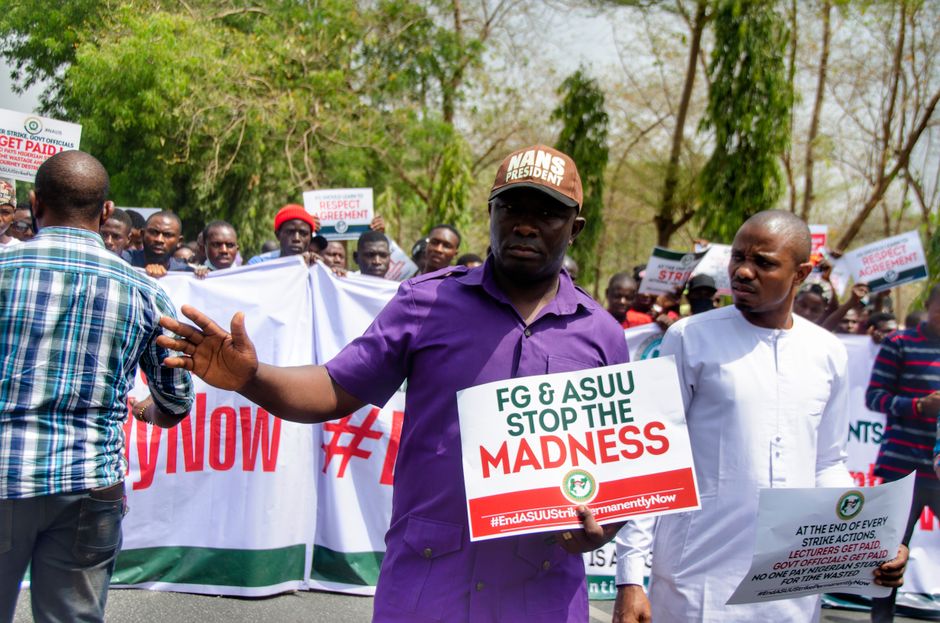
Pensioner bodies are urging the government to include pension revisions in the Terms of Reference (ToR) of the 8th Pay Commission, highlighting the need for fair treatment of retirees.
India — Pensioner organizations are pressing the government to incorporate pension revisions in the Terms of Reference (ToR) of the 8th Pay Commission. This demand arises as the Commission, established on November 3, 2025, enters a crucial phase of discussions. The Bharat Pensioners’ Samaj (BPS) and the All India Defence Employees’ Federation (AIDEF) are at the forefront of this initiative, advocating for clarity and fairness in pension policies.
The BPS and AIDEF have pointed out that the current ToR inadequately addresses the concerns of pensioners who retired before January 1, 2026. They are calling for explicit provisions regarding pension revisions, family pension inclusions, and parity between past and future pensioners. As the Commission prepares to finalize its recommendations, these discussions are vital for the financial security of many retirees.
Key Demands from Pensioner Bodies
The primary demands from the pensioner organizations focus on ensuring equitable treatment for all pensioners. They seek the ToR to specifically include provisions for pension revisions applicable to all existing pensioners, including family pensioners who have been overlooked in previous discussions. The AIDEF has been particularly vocal, sending multiple letters to the Finance Ministry to emphasize the importance of these revisions. They argue that the existing terms create a perception that pension liabilities are merely costs rather than earned benefits, which could undermine the financial security of retirees who have dedicated their careers to public service.
A significant point of contention is the term ‘unfunded cost of non-contributory pension schemes’, which the AIDEF insists should be removed from the ToR. This terminology fosters the notion that pension liabilities are merely costs rather than earned benefits. Furthermore, the BPS has requested the government to assure that pensioners retiring before January 1 will not be excluded from any revisions, a clarification crucial for the livelihoods of many elderly pensioners who depend on these funds for their daily needs.
They argue that the existing terms create a perception that pension liabilities are merely costs rather than earned benefits, which could undermine the financial security of retirees who have dedicated their careers to public service.
Pension Parity and Its Importance
The demand for pension parity is another critical aspect of this movement. Pensioners want to ensure that those who retired before January 1, 2026, receive equitable treatment compared to their successors. This push for equality is not just about financial fairness; it also reflects a broader call for respect and recognition of the service rendered by these individuals throughout their careers. The BPS has highlighted that the current pension structure disproportionately favors newer retirees, potentially leading to a growing divide among pensioners based on their retirement dates.
IRDAI's proposed commission cuts could reshape the insurance landscape, impacting earnings for agents and altering client acquisition strategies for brokers. Adaptability will be key in…
As the Commission continues its consultations across various cities, including Chennai and Jaipur, the outcomes of these discussions will be closely monitored by pensioners and their advocates. The urgency of these discussions is underscored by the rising cost of living and inflation, which have significantly eroded the purchasing power of many pensioners. The inclusion of pension revisions could provide much-needed relief and ensure that retirees can maintain their standard of living.
Potential Impact of Policy Changes
The implications of these demands extend beyond individual pensioners. If the 8th Pay Commission accommodates these revisions, it could set a precedent for future pension policies in India. This would not only affect current retirees but also shape the expectations of future government employees regarding their retirement benefits. Analysis indicates that the inclusion of pension revisions could significantly enhance the financial security of retired public sector employees. With many pensioners facing rising living costs, ensuring that their pensions keep pace with inflation is crucial.
Moreover, the push for pension parity could foster a sense of fairness and respect within the public sector. If the government acknowledges the contributions of older pensioners by revising their pensions, it may enhance morale among current employees, who will see that their future benefits are taken seriously. The BPS and AIDEF have emphasized that recognizing the contributions of long-serving employees is essential for maintaining trust in the public sector.
Challenges Ahead for Pension Revisions
However, there is a potential downside. If the government perceives these pension revisions as an undue financial burden, it might resist making the necessary changes. Such resistance could lead to further discontent among pensioners, potentially resulting in protests or other forms of advocacy to ensure their voices are heard. The ongoing dialogue between pensioner organizations and the government will be crucial in determining the outcome of these discussions. As the Commission approaches its deadline, resolving these issues will be critical. The government must balance financial constraints with the need to honor commitments made to public sector workers.
The IRDAI's proposed commission caps could significantly alter the earnings landscape for insurance brokers, potentially leading to reduced service quality for policyholders. As the insurance…
The government must balance financial constraints with the need to honor commitments made to public sector workers.
For pensioners, the outcome of these discussions will significantly impact their financial planning and security. As they await the Commission’s recommendations, the uncertainty surrounding their benefits poses a challenge that many are eager to resolve. The stakes are high, as the decisions made now will resonate for years to come, affecting not only the current generation of pensioners but also setting a standard for future retirees.
The push for pension revisions in the 8th Pay Commission is not merely a bureaucratic formality; it represents a fundamental issue of equity and respect for those who served the nation. For many pensioners, their monthly pension is their primary source of income. Any changes to this structure could profoundly affect their quality of life. With rising inflation and increasing healthcare costs, ensuring that pensions are adjusted accordingly is crucial for the survival of many elderly citizens. The demands from BPS and AIDEF reflect a broader societal recognition of the sacrifices made by public sector employees.
As discussions continue, it is essential for the government to consider the voices of these pensioners. Their experiences and needs should guide the Commission’s recommendations, ensuring that the final outcome is fair and just. The coming months will be pivotal as the 8th Pay Commission wraps up its consultations. How the government responds to these demands will not only affect current pensioners but also set the tone for future public sector policies.
Written by Career Ahead AI. AI can make mistakes, so verify key facts. Report errors to support@careeraheadonline.com.
Career Ahead AI is Career Ahead Magazine's in-house AI newsroom, reporting on careers, education, jobs and business. It produces original summaries and analysis drawn from publicly available sources, with those sources credited, and operates under the editorial oversight of the Career Ahead team. AI can make mistakes, so please tell us when something looks wrong. Corrections, copyright or takedown requests…



 Government & Policy

Government & Policy