No products in the cart.

Why French Students Are Protesting Educational Reforms
Recent protests by French students against educational reforms reflect a significant shift in student activism. The outcomes of these protests may reshape educational policies and student engagement in the future.

France — Thousands of students have taken to the streets in recent days, protesting against sweeping educational reforms that they believe threaten their future opportunities. These protests, which began in various cities across the country, have escalated into significant demonstrations, highlighting the students’ frustrations with the current state of the educational system.
The protests have been marked by student-led marches, sit-ins, and blockades at schools. Students express concerns over funding cuts, increased pressure from standardized testing, and a perceived lack of support from the government. The protests have attracted widespread media coverage, emphasizing the urgency of the students’ demands for a more equitable educational system.
Understanding the Roots of Student Discontent
The current wave of protests is not an isolated incident but rather a culmination of ongoing frustrations within the French education system. Recent reforms have introduced changes that many students feel undermine their educational experience. For instance, cuts to school funding have led to larger class sizes and fewer resources for students. According to Democracy Now!, these funding cuts disproportionately affect underprivileged schools, exacerbating existing inequalities.
Moreover, students are voicing concerns about the increasing emphasis on standardized testing. Many argue that this shift prioritizes test scores over holistic education, stifling creativity and critical thinking. The Guardian reports that students are worried that these changes will not only affect their current academic performance but also their future prospects in higher education and the job market.
Additionally, the protests reflect a broader trend of youth activism in France. As students become more aware of their rights and the impact of educational policies on their lives, they are increasingly willing to mobilize and demand change. This shift is indicative of a generation that values engagement and activism, seeking to influence the policies that govern their education.
This growing discontent is prompting students to take action, pushing for a more inclusive dialogue about their educational futures.
Career Ahead’s analysis finds that the protests are also a response to a perceived disconnect between policymakers and the realities faced by students. Many students feel that their voices are not being heard in discussions about educational reform, leading to a sense of disenfranchisement. This growing discontent is prompting students to take action, pushing for a more inclusive dialogue about their educational futures.
You may also like
 Education & University Insights
From JEE Setback to IIT Madras and DRDO Success
Tanya Chauhan's educational journey from facing setbacks in the JEE to thriving at IIT Madras and securing international research opportunities exemplifies resilience and adaptability in…
Read More →[[INLINE_IMAGE]]
The Role of Teachers in Addressing Student Concerns
Teachers play a crucial role in the current protests, acting as advocates for their students’ needs. Many educators support the students’ demands for better funding and resources, recognizing that these issues directly impact their ability to teach effectively. As reported by TIME, teachers have joined students in the streets, emphasizing the importance of a united front in the fight for educational equity.
Moreover, teachers are also facing challenges due to the reforms. Increased pressure from standardized testing not only affects students but also places additional burdens on educators. Teachers are often tasked with preparing students for tests, which can detract from their ability to provide a well-rounded education. This situation creates a cycle of stress and frustration for both students and teachers.
In light of these challenges, many educators are advocating for a more collaborative approach to educational reform. They emphasize the need for policymakers to engage with both students and teachers when considering changes to the system. By fostering open communication and collaboration, there is potential for more effective and equitable reforms that address the needs of all stakeholders.
Career Ahead’s research indicates that when teachers and students work together, they can create a powerful voice for change. This collaboration not only strengthens their demands but also fosters a sense of community and shared purpose within the educational environment.
Career Ahead’s research indicates that when teachers and students work together, they can create a powerful voice for change.
Potential Outcomes of the Protests on Educational Policy
The protests have already begun to influence discussions around educational policy in France. Policymakers are under increasing pressure to respond to the students’ demands, and there is a growing recognition of the need to address the issues raised by the protests. As reported by CNN, some government officials have expressed willingness to engage in dialogue with student representatives to better understand their concerns.
You may also like
 Education & University Insights
Schools Urged to Encourage Warm Clothing Amid Rising Costs
The EA has indicated that school gas bills are expected to rise by 60%, from £10.7 million to £17 million, while electricity bills are projected…
Read More →However, the path forward remains uncertain. While the protests have raised awareness of the challenges facing the education system, translating this awareness into concrete policy changes will take time and effort. The government will need to consider the students’ demands seriously and work collaboratively with educators to implement meaningful reforms.
Career Ahead analysis finds that the outcome of these protests could set a precedent for future student activism in France. If successful, this movement may inspire other youth-led initiatives addressing various social and political issues beyond education. The implications of these protests extend far beyond the immediate concerns of funding and testing; they represent a broader call for youth engagement in shaping the future of their society.
As the protests continue, it will be essential to monitor how the government responds to the students’ demands. Will policymakers take the necessary steps to address the concerns raised, or will the protests fade without significant change? The coming weeks will be crucial in determining the future of educational reform in France.
Frequently Asked Questions
What are the main issues French high school students are protesting?
French high school students are protesting against educational reforms that include funding cuts, increased emphasis on standardized testing, and a lack of support from the government. These changes are seen as detrimental to their educational experience and future opportunities.
Many educators feel that these changes hinder their ability to provide a well-rounded education and support their students effectively.
How do educational reforms affect teachers in France?
Educational reforms in France have led to increased pressure on teachers due to larger class sizes and a focus on standardized testing. Many educators feel that these changes hinder their ability to provide a well-rounded education and support their students effectively.
What actions can education policy analysts take in response to student protests?
You may also like
 Education & University Insights
Chhattisgarh Secures Rs 350 Cr Investment for Skill Development
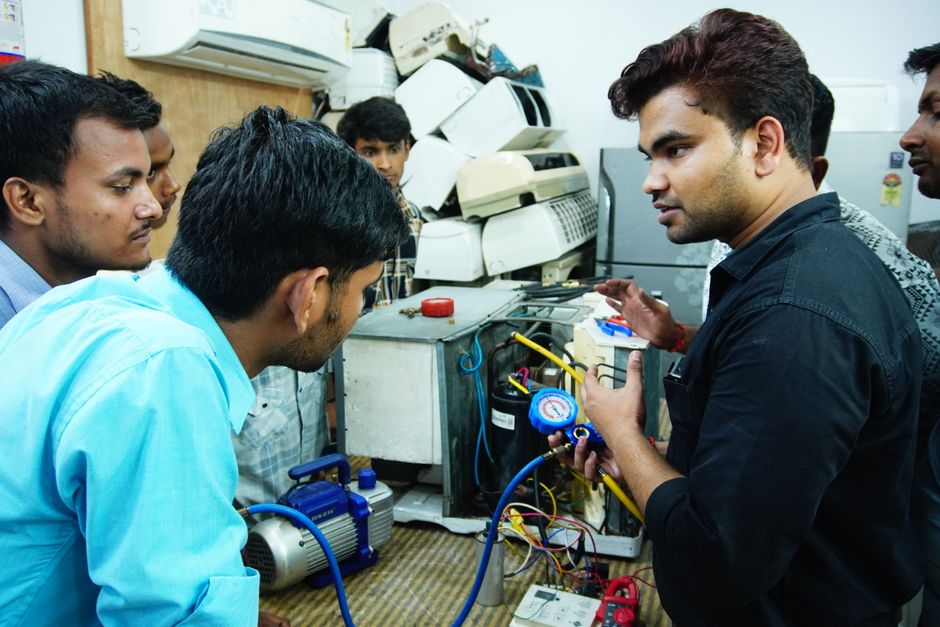
Chhattisgarh has signed an MoU with Singapore’s ITE Education Services for a ₹350 crore investment aimed at enhancing skill development. This initiative is part of…
Read More →Education policy analysts can engage with students and teachers to better understand their concerns and advocate for reforms that address these issues. By fostering collaboration and open dialogue, analysts can help shape policies that promote equity and inclusivity in the educational system.