No products in the cart.

Pixxel and Sarvam Launch India’s First Orbital Data Centre Satellite
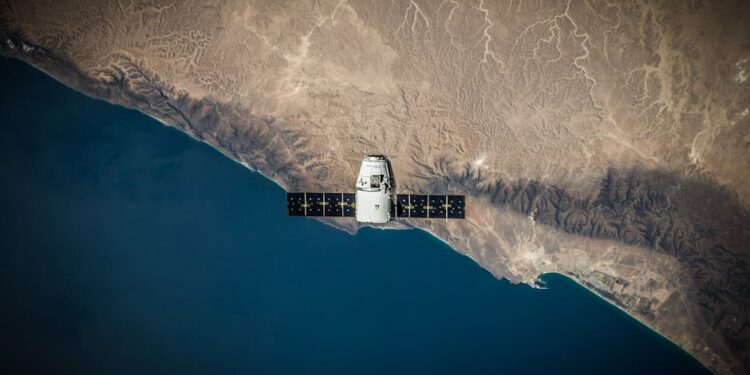
Pixxel and Sarvam have partnered to create India's first orbital data centre satellite, Pathfinder. This initiative aims to enhance AI capabilities and data processing in space, marking a significant step in India's space technology landscape.

India’s Orbital Data Centre Initiative
India is making strides in space technology with the announcement of its first orbital data centre satellite, Pathfinder. Pixxel, a US-Indian space technology company, has partnered with Sarvam, an AI firm based in Bengaluru, to develop this innovative project. This satellite aims to host advanced computing capabilities in space, addressing the growing demand for data processing and AI applications.
The Pathfinder satellite is expected to weigh around 200 kg and is slated to reach orbit by the end of 2026. This initiative aligns with global trends where countries are exploring space-based computing to overcome terrestrial limitations. According to Financial Express, the project is part of a broader push to enhance India’s capabilities in artificial intelligence and data management.
As data consumption continues to soar, the need for efficient processing solutions becomes critical. The Pathfinder satellite will utilize GPUs (graphics processing units) to train AI models directly in orbit, enabling real-time data analysis. This capability could significantly reduce the latency associated with data transmission to Earth, thereby improving response times in various applications.
Furthermore, the initiative reflects a growing interest in sustainable computing solutions. By leveraging solar energy and the unique environment of space, Pathfinder could potentially offer a more energy-efficient alternative to traditional data centres on Earth.
Technical Innovations and Challenges
The technical specifications of the Pathfinder satellite indicate a significant leap in satellite computing. Unlike conventional satellites that rely on low-power processors, Pathfinder will employ high-performance computing hardware akin to that found in terrestrial data centres. This shift is crucial for supporting advanced AI applications that require substantial processing power.
However, experts caution that the project faces several challenges. High launch costs remain a significant barrier, with estimates suggesting that costs need to drop from thousands to hundreds of dollars per kilogram for space-based computing to become viable. According to Firstpost, many industry analysts believe that these economic hurdles could hinder the widespread adoption of orbital data centres.
As noted by Pixxel, the success of the Pathfinder mission will depend on overcoming these technical and logistical hurdles.
You may also like
This startup is issuing AI-generated acne prescriptions
Nolla Health's AI system analyzes acne severity and autonomously writes prescriptions for treatments. This pilot program costs $4.99 per month and is available to Utah…
Read More →Moreover, operational challenges in maintaining hardware in space cannot be overlooked. The difficulty of repairing or replacing components like GPUs poses risks that could increase operational costs and complicate mission logistics. As noted by Pixxel, the success of the Pathfinder mission will depend on overcoming these technical and logistical hurdles.
Despite these challenges, the potential benefits of space-based data processing are enticing. By processing data closer to where it is generated, Pathfinder could facilitate faster decision-making in critical sectors such as environmental monitoring and resource management.
Strategic Implications for India
This partnership between Pixxel and Sarvam is not just a technological endeavor; it has significant strategic implications for India’s position in the global space race. As nations like the United States and China invest heavily in space infrastructure, India’s foray into orbital data centres could enhance its standing in the international arena.
Moreover, the initiative aligns with India’s broader goals of achieving self-sufficiency in technology and reducing reliance on foreign cloud services. As highlighted by Sarvam’s CEO, Pratyush Kumar, having India-built AI models operating in space represents a critical step toward establishing a sovereign AI infrastructure. This move could bolster national security and foster innovation within the domestic tech ecosystem.
Furthermore, the Pathfinder project could stimulate economic growth by attracting investments in space technology and related sectors. As India develops its capabilities in space, it may also create new job opportunities in engineering, data science, and AI, thereby contributing to the country’s economic development.
However, the success of this initiative will depend on continued investment in research and development, as well as collaboration between government and private sectors.

However, the success of this initiative will depend on continued investment in research and development, as well as collaboration between government and private sectors. The Indian Space Research Organisation (ISRO) is already exploring next-generation satellites, which could complement efforts like those of Pixxel and Sarvam.
Global Context and Competition
You may also like
 AI & Technology
Beam Unveils Affordable AI Model to Disrupt Competitors
Reflection AI's Beam model, launched on October 5, 2026, is set to disrupt the AI market by offering a cost-efficient alternative to leading Chinese models.…
Read More →The development of the Pathfinder satellite occurs within a competitive global landscape. Countries worldwide are increasingly recognizing the strategic importance of space-based computing. As reported by Business Today, nations such as the United States and those in Europe are investing in similar technologies to enhance their data processing capabilities.
In this context, India’s venture into orbital data centres could position it as a key player in the emerging space economy. The ability to process data in orbit could provide a competitive edge in various sectors, including telecommunications, environmental monitoring, and disaster response. This competitive advantage may also lead to collaborations with other countries and international organizations focused on space technology.
Moreover, as global data centre capacity is projected to reach 200 GW by 2030, India’s efforts to expand its data processing capabilities could play a pivotal role in meeting rising global demands. The partnership between Pixxel and Sarvam could serve as a model for future collaborations in the space sector, showcasing how private and public entities can work together to achieve ambitious goals.

As these technologies develop, they could create new career opportunities and influence the future of work.
However, the path forward is fraught with uncertainties. The technical feasibility and economic viability of such projects remain to be fully tested, and the global landscape for space technology is rapidly evolving.
Implications for the Future of Technology
The launch of India’s first orbital data centre satellite is significant for anyone interested in technology and innovation. It highlights the potential for advancements in AI and data processing, which could reshape various industries, from healthcare to environmental management. As these technologies develop, they could create new career opportunities and influence the future of work.
The Pathfinder initiative represents a bold step into the future of space computing. As Pixxel and Sarvam work to overcome the challenges of launching and operating an orbital data centre, the implications for technology, economy, and national security are profound. The coming years will be critical in determining the viability of space-based computing. As the Pathfinder satellite approaches its launch date, the world will be watching closely to see if it can deliver on its ambitious promises. The outcome of this project could set the stage for future developments in the space sector, influencing how countries approach data processing and AI in the years to come.
You may also like
 AI & Technology
A.I. Boom Defies High Interest Rates, Challenges Fed
In the last quarter, AI startups attracted over $10 billion in venture capital, a figure that highlights the ongoing investor interest despite economic headwinds.
Read More →