Pressure builds on Europe's biggest port to be greener
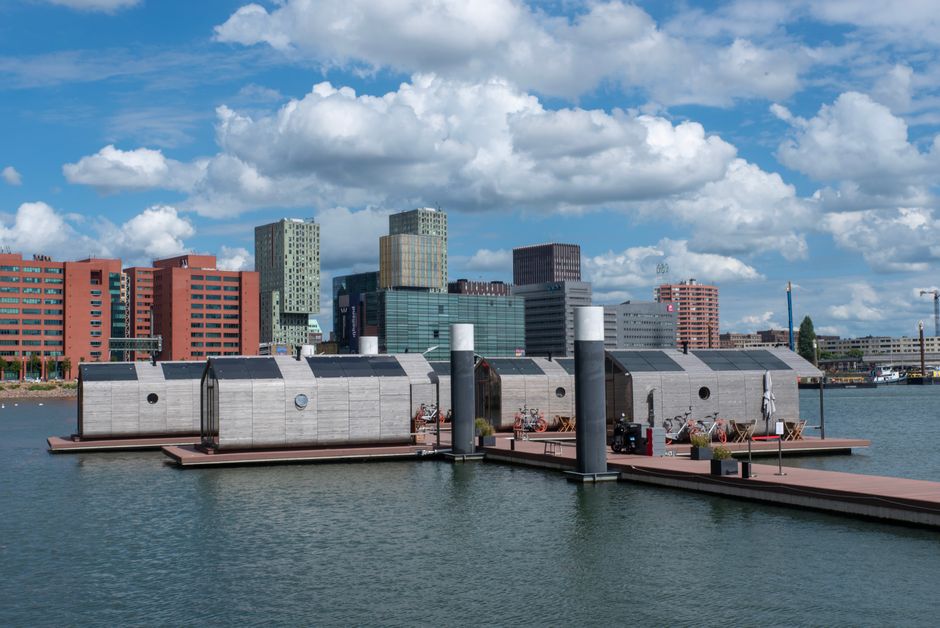
The Port of Rotterdam is a critical hub for global trade, processing vast amounts of cargo and energy resources while facing increasing pressure to adopt greener practices.
Rotterdam, Netherlands — The Port of Rotterdam, Europe’s largest port, faces growing pressure to adopt greener practices. Environmental groups and regulators are scrutinizing the port due to its significant fossil fuel handling. As the EU enforces stricter environmental rules, the port’s emissions are under increased scrutiny.
The Port of Rotterdam is vital for global trade, processing large amounts of cargo and energy resources. Research by CE Delft shows that the fossil fuels passing through the port contribute around 600 megatonnes of CO2 emissions each year. This figure exceeds the emissions of many countries. Environmental advocates are demanding a faster shift to sustainable operations. The port’s heavy reliance on fossil fuels, including five oil refineries, makes it a key player in the debate over transitioning to greener practices.
Impact of EU Regulations on Shipping Emissions
Recent EU regulations set ambitious goals for cutting greenhouse gas emissions. These rules directly affect ports like Rotterdam, requiring them to significantly lower their carbon output. The Port Authority has pledged to cut its emissions by 90% by 2030. This commitment focuses on direct and purchased energy emissions and includes plans for a hydrogen hub and onshore power for ships at berth.
However, the transition faces many challenges. Many companies in the port are linked to fossil fuel industries, often based in regions with weaker regulations. This creates a dilemma for the Port Authority: how to balance economic needs with environmental responsibility. Oscar van Veen, the port’s innovation director, emphasizes the need to work with existing polluters while speeding up the transition. A lawsuit from the environmental group Advocates for the Future highlights the urgency. They argue that the Port Authority must create a concrete plan to phase out fossil energy, rather than relying on promises of climate neutrality by 2050. This legal action reflects the growing demand for accountability in managing environmental impacts.
Additionally, the European Commission stresses that ports must comply with current regulations and seek innovative solutions to reduce emissions. This includes exploring alternative fuels and technologies, which are increasingly important as public pressure for sustainable practices rises. The port’s ability to adapt will be closely watched, as it sets a standard for other ports facing similar challenges across Europe.
Oscar van Veen, the port’s innovation director, emphasizes the need to work with existing polluters while speeding up the transition.
The European Union is preparing to implement tougher trade measures against China, which could significantly impact manufacturing costs and supply chain dynamics in the region.
Career Ahead’s analysis suggests that pressure from regulations and public opinion will likely speed up the adoption of green technologies in port operations. The shift to cleaner fuels like LNG, biofuels, and methanol is already in progress. However, the pace of change will depend on the port’s ability to encourage companies to innovate and invest in sustainable practices. The logistics sector is particularly urged to lead this change, given its crucial role in the supply chain and potential for reducing emissions.
Investment in Green Technologies for Freight Handling
To meet these new demands, the Port of Rotterdam is investing heavily in green technologies. This includes developing carbon capture and storage (CCS) initiatives. These aim to capture CO2 emissions from industrial activities and store them in depleted gas fields. Such technologies are vital for reducing the environmental impact of fossil fuel operations while moving toward greener alternatives. The port’s investments in CCS are seen as a critical step in addressing its significant emissions.
Moreover, the Port Authority is seeking partnerships with companies to promote innovation in sustainable logistics. This includes testing new fuels and building the necessary infrastructure for their use. According to environmental consultancy CE Delft, the port’s shift to a greener model requires not only technological advancements but also changes in business practices among companies operating there. Collaboration between the Port Authority and private companies is essential for fostering sustainable innovation.
Logistics managers play a key role in this transition. They must navigate a landscape that increasingly values sustainability. This involves adapting supply chain strategies to include greener practices, such as optimizing routes to cut fuel use and investing in electric vehicles. The skills needed for logistics professionals are changing, with a greater focus on sustainability and regulatory compliance. As the industry evolves, logistics managers have a significant opportunity to lead these changes. Career Ahead research indicates that professionals skilled in sustainable logistics and green technologies will be in high demand as ports like Rotterdam adapt to new regulations and public expectations.
The future of the Port of Rotterdam’s environmental strategy depends on balancing economic growth with ecological responsibility. As the EU tightens emissions regulations, the port must show its commitment to sustainability. This is crucial to avoid losing business to competitors in regions with less strict environmental laws. Emerging technologies, like automated systems for monitoring emissions and optimizing energy use, will be vital in this transition. The port is expected to invest in these technologies to improve operational efficiency while reducing its carbon footprint. This investment is not just about compliance; it positions Rotterdam as a leader in sustainable port operations.
Career Ahead research indicates that professionals skilled in sustainable logistics and green technologies will be in high demand as ports like Rotterdam adapt to new regulations and public expectations.
However, there is a tension between the need for immediate action and the long-term goals set by the port authority. Various stakeholders, including environmental groups and industry experts, stress that the timeline for significant emission reductions must be accelerated. The port’s ability to create a robust and actionable plan will determine its success. As the situation evolves, monitoring how Rotterdam addresses these challenges will be critical. The port’s response to regulatory pressures and environmental advocacy will set a precedent for other ports in Europe and beyond, shaping the future of global shipping and logistics.
Frequently Asked Questions
What are the new environmental regulations for ports in Europe?
New EU regulations require ports to significantly reduce greenhouse gas emissions, with specific targets set for the coming years. These regulations aim to encourage ports to adopt greener practices and technologies to mitigate their environmental impact.
How can logistics managers implement greener practices in their operations?
Logistics managers can implement greener practices by optimizing supply chains, investing in electric vehicles, and adopting cleaner fuels. They should also stay informed about regulatory changes to ensure compliance and promote sustainability within their operations.
What technologies should environmental regulators in shipping consider for compliance?
Environmental regulators should consider technologies such as carbon capture and storage, onshore power systems for ships, and alternative fuels like LNG and biofuels. These technologies can help ports meet emissions targets and transition to more sustainable operations.
Written by Career Ahead AI. AI can make mistakes, so verify key facts. Report errors to support@careeraheadonline.com.
Career Ahead AI is Career Ahead Magazine's in-house AI newsroom, reporting on careers, education, jobs and business. It produces original summaries and analysis drawn from publicly available sources, with those sources credited, and operates under the editorial oversight of the Career Ahead team. AI can make mistakes, so please tell us when something looks wrong. Corrections, copyright or takedown requests…
Global research shows nearly half of young adults now phub their friends and partners—substituting screens for trust, intimacy, and real connection. The…
Matcha lattes, smartwatch metrics, and chlorophyll shots are the new badges of ambition for India’s under-35s. But can conspicuous health spending solve…


 Industry & Global Trends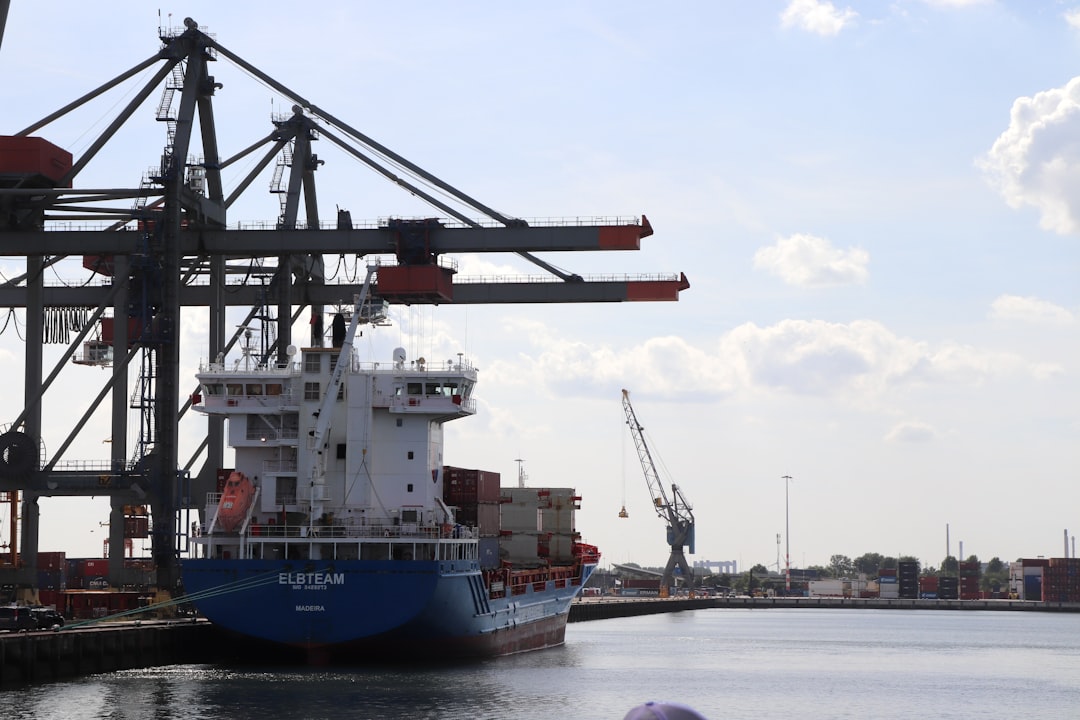
Industry & Global Trends