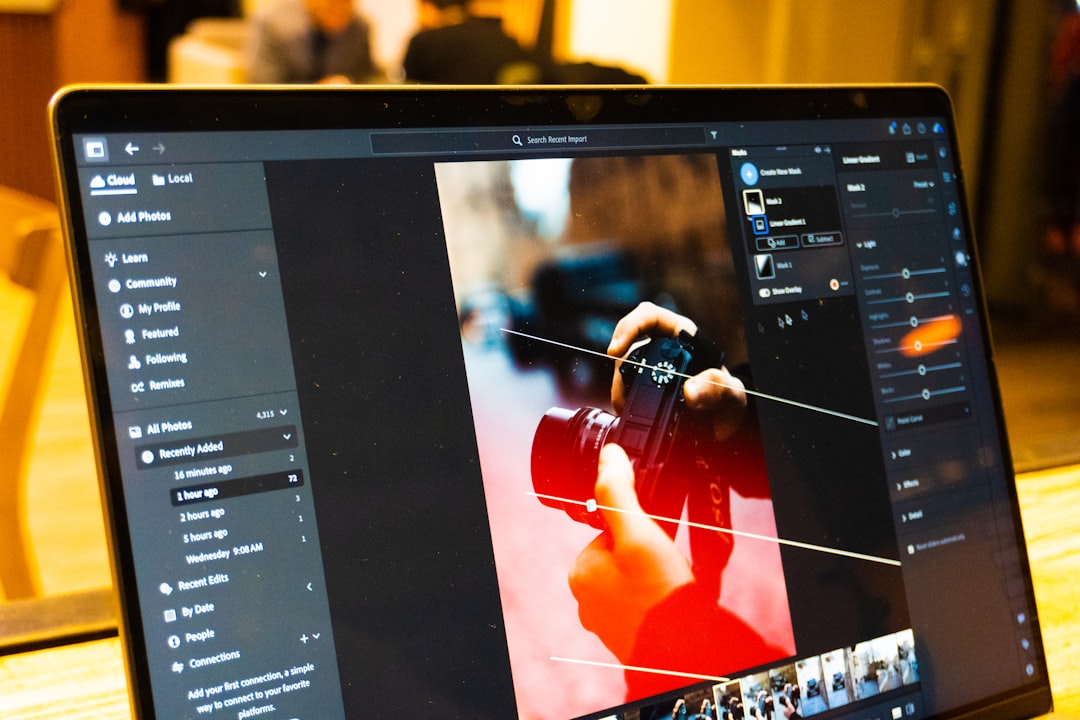
As graphic designers and digital marketers increasingly integrate AI tools into their workflows, understanding the privacy implications becomes essential.
India — The rise of AI photo editing tools like ChatGPT has gained attention. Users are embracing trends like the viral 1980s photo prompts. However, privacy experts are warning about the risks of uploading personal images to these platforms. This popularity raises questions about how AI services collect, process, and keep user data.
As graphic designers and digital marketers use AI tools more, understanding privacy implications is essential. Many users do not realize how facial data and photo metadata can affect their privacy. This is especially true when sharing images online. The risks are significant because personal photographs can contain sensitive information beyond what is visible.
Understanding the Privacy Risks of AI Tools
When people upload images to AI photo editing platforms, they may share more than they intend. Original photographs often contain metadata that reveals device information, location data, and other identifiable details. For example, a smartphone image may include GPS coordinates, which can disclose a user’s home address or frequent locations. This detail poses a risk, especially for graphic designers who use personal images for client projects.
Moreover, privacy experts warn that AI tools’ facial recognition capabilities can lead to unauthorized use of biometric data. The AI models may retain and analyze facial features, which could be exploited if not protected. Users should be cautious about uploading images with identifiable individuals, especially without their consent. This could lead to legal issues and ethical dilemmas. A report by Livemint notes that the trend of using AI tools for nostalgic photo edits can overshadow these risks, causing users to overlook the implications of sharing personal images online.
Additionally, using third-party applications for AI photo editing complicates privacy concerns. Many platforms do not clearly explain how user data is stored, processed, or shared. Users risk having their images used for unauthorized purposes, like enhancing AI models or sharing with advertisers. This lack of transparency can leave designers and marketers vulnerable to data breaches and misuse of their content. Discussions on platforms like GitHub highlight the need for a thorough understanding of data handling practices when integrating AI tools into creative workflows.
Discussions on platforms like GitHub highlight the need for a thorough understanding of data handling practices when integrating AI tools into creative workflows.
HackerRank's AI interviewer, Chakra, is transforming recruitment by streamlining the hiring process and emphasizing critical thinking and problem-solving skills in candidates.
To reduce privacy risks with AI photo editing tools, graphic designers and digital marketers must implement strong data security measures. One effective strategy is to review the privacy policies of the AI platforms they use. Understanding how data is handled, retained, and shared is crucial for informed decisions about image uploads.
Another important practice is to limit personal information in uploaded images. Cropping photos to remove sensitive backgrounds or identifiable details can significantly lower privacy risks. For instance, designers should use tightly cropped portraits instead of full-body images that may reveal locations or personal possessions. This approach protects individual privacy and aligns with best practices in professional design work.
Moreover, using local image-editing software instead of cloud-based services can enhance privacy. Offline tools allow users to edit images without uploading them to third-party servers, maintaining greater control over their data. This is especially beneficial for sensitive photographs that should not be shared online. Industry analyses, including insights from Data Studios, suggest that relying on cloud services for AI editing exposes users to unnecessary risks, making local solutions a safer choice.
Career Ahead research shows that many professionals in design and marketing are still unaware of these privacy risks. As AI tools evolve, the potential for misuse of personal data will likely increase. Therefore, users must stay informed about best practices for protecting client information and personal data. The ongoing evolution of AI technology will likely bring new privacy challenges, requiring continuous education and adaptation among professionals.
As the AI landscape changes, so do the regulations around data privacy. Future developments may lead to stricter guidelines on how AI tools can collect and use personal data. Graphic designers and digital marketers must keep up with these changes to ensure compliance and protect their clients effectively. Understanding these regulatory frameworks is crucial, as they will shape the future of digital marketing and design practices.
Understanding these regulatory frameworks is crucial, as they will shape the future of digital marketing and design practices.
In conclusion, integrating AI photo editing tools into creative workflows offers both opportunities and challenges. While these tools can boost productivity and creativity, they also pose significant privacy risks that must be managed carefully. By fostering a culture of awareness and responsibility, graphic designers and digital marketers can navigate the complexities of AI technology while safeguarding their clients’ data.
Frequently Asked Questions
What are the privacy risks for graphic designers using AI tools?
Graphic designers face risks like unauthorized use of biometric data, exposure of sensitive information through image metadata, and potential legal issues when uploading identifiable images. Understanding these risks is essential for protecting personal and client data.
How can digital marketers ensure data security when using AI for content creation?
Digital marketers can ensure data security by reviewing the privacy policies of AI tools, limiting personal information in uploaded images, and using local editing software to avoid cloud storage risks. These practices help safeguard client information during content creation.
What should graphic designers do about privacy concerns with AI photo editing?
Graphic designers should educate themselves about the privacy implications of AI tools, obtain consent from clients before using their images, and implement best practices for data security. Staying informed and proactive can help reduce privacy risks.



AI & Technology

AI & Technology