No products in the cart.

India’s Trade Shift: Cutting Chinese Imports

India's increasing trade deficit with China poses significant challenges for manufacturing executives and import-export specialists. As reliance on Chinese imports grows, the Indian government is exploring strategies to reduce this dependency, creating both risks and opportunities in the local manufacturing landscape.

India’s trade relationship with China is at a critical juncture. The country aims to reduce its reliance on Chinese imports while grappling with a significant trade deficit. Recent reports indicate that trade between India and China has nearly doubled in five years, leaving New Delhi with a growing deficit and challenging decisions regarding its industrial future.
The heavy dependence on Chinese imports raises concerns among Indian manufacturing executives and import-export experts. The Indian government is focused on strengthening local industries and addressing trade imbalances, which has major implications for sourcing strategies and market dynamics.
Challenges for Manufacturing Leaders
Manufacturing leaders in India must rethink their sourcing strategies due to the increasing reliance on Chinese imports. Research indicates that over 70% of certain electronic components and machinery are sourced from China, creating vulnerabilities in supply chains and impacting production costs. This dependence also exposes companies to risks from geopolitical tensions and potential supply chain disruptions.
Data from TariffsChart shows that tariffs on Chinese goods have fluctuated, complicating pricing strategies for Indian manufacturers. The uncertainty surrounding tariffs and trade policies makes long-term planning challenging. Manufacturing leaders must navigate these complexities while striving for competitive pricing and quality.
The Indian government has initiated programs to promote local manufacturing, such as “Make in India.” However, transitioning to local sourcing presents challenges, as many manufacturers lack the infrastructure or technology to match the scale and quality of Chinese products. This gap presents both a challenge and an opportunity for innovation in Indian manufacturing.
Research indicates that Indian companies are diversifying their supply chains by seeking local suppliers. This shift not only responds to external pressures but also aims to bolster domestic industries. By investing in local suppliers, manufacturers can enhance their resilience and reduce dependence on foreign imports.
These changes will directly impact import-export professionals, who must adapt to new compliance requirements and market dynamics.
Implications for Import-Export Professionals
You may also like
 Industry & Global Trends
AI Talent Race Between US and China Is the Next Battleground
The competition for AI talent between the US and China is growing, with significant implications for job opportunities and recruitment strategies in the field. The…
Read More →Import-export professionals are navigating a complex environment due to evolving trade policies. The Indian government is contemplating measures to reduce imports from China, including higher tariffs and stricter regulations. These changes will directly impact import-export professionals, who must adapt to new compliance requirements and market dynamics.
According to data from Trading Economics, goods imported from China range widely, from electronics to textiles. Import-export professionals need to stay informed about which products are most affected by policy changes. Understanding these shifts is crucial for developing effective strategies in the changing trade landscape.
With potential tariff increases, the cost of imported goods may rise significantly. Import-export professionals must be prepared to renegotiate contracts and explore new sourcing options, which may involve finding suppliers in other countries or strengthening ties with local manufacturers to ensure a steady supply of goods.
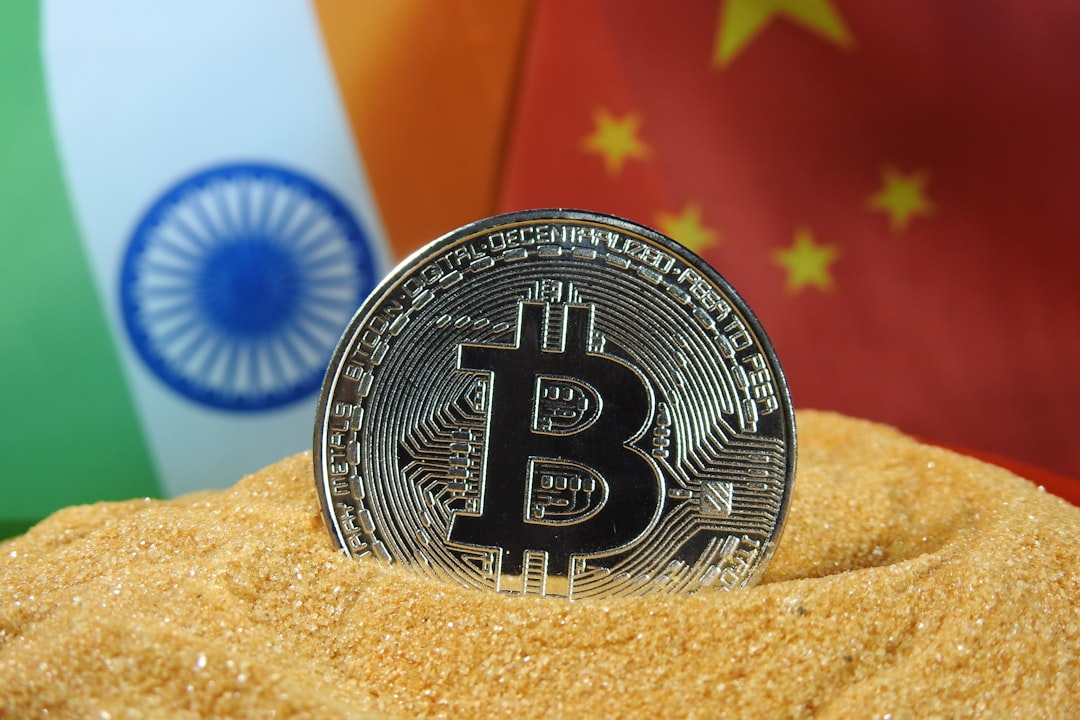
As trade policies evolve, import-export professionals will play a vital role in advising companies on compliance and risk management. Their expertise will be essential for businesses to adapt to the changing regulatory environment while maximizing domestic market opportunities.
Local Suppliers: A Growing Opportunity The drive to reduce reliance on Chinese imports presents significant opportunities for local suppliers in India.
Local Suppliers: A Growing Opportunity
The drive to reduce reliance on Chinese imports presents significant opportunities for local suppliers in India. As manufacturing leaders focus on local sourcing, suppliers that meet quality standards stand to benefit. This shift could stimulate growth in sectors such as electronics, textiles, and automotive components.
Research shows that local suppliers are investing in technology and process improvements to compete with Chinese firms. This investment not only enhances capabilities but also builds trust with Indian manufacturers seeking reliable partners. Consistent quality and timely delivery will be key differentiators in this competitive market.
The Indian government is likely to support local suppliers through incentives and subsidies aimed at boosting domestic production. This assistance can help Indian manufacturers compete against established Chinese players. By fostering a favorable environment for local suppliers, the government can drive economic growth and job creation.
You may also like
 Industry & Global Trends
Hormuz Crude Oil Exports Near Pre-War Levels
The return to pre-war export levels is crucial as it indicates a stabilization in the oil market. Producers and shipping industries have adapted by employing…
Read More →As Indian companies diversify their supply chains, the demand for local suppliers will continue to rise. This trend may lead to new business models and partnerships focused on sustainability and innovation. Companies that prioritize local sourcing will enhance their resilience and contribute to the country’s economic development.
In summary, India’s evolving trade relationship with China presents both challenges and opportunities for manufacturing leaders and import-export professionals. The need to reduce reliance on Chinese imports is driving innovation and local sourcing initiatives, which may reshape the industrial landscape in the coming years. Stakeholders must remain agile and responsive to dynamic market conditions as these changes unfold.
It remains to be seen how effectively India can balance its immediate trade needs with long-term goals of self-reliance and sustainable growth. The next few years will be crucial as the country navigates this complex trade environment.
It remains to be seen how effectively India can balance its immediate trade needs with long-term goals of self-reliance and sustainable growth.
Frequently Asked Questions
What strategies can manufacturing leaders implement to reduce Chinese imports?
Manufacturing leaders can explore local sourcing, invest in technology to improve production, and build partnerships with domestic suppliers. These strategies can help mitigate risks associated with reliance on Chinese imports.
How will changing trade policies affect import-export professionals in India?
Changing trade policies may require import-export professionals to adapt to new compliance rules and renegotiate contracts. They must stay informed about which product categories are affected by tariffs and explore alternative sourcing options.

What actions should manufacturing leaders take regarding the widening trade deficit with China?
Manufacturing leaders should diversify their supply chains by investing in local suppliers and enhancing production capabilities. This approach can help reduce the trade deficit and promote domestic industry growth.
You may also like
 Industry & Global Trends
Man Charged
A US national has been charged with illegally exporting Nvidia chips to China, raising significant compliance and legal concerns in the semiconductor industry.
Read More →