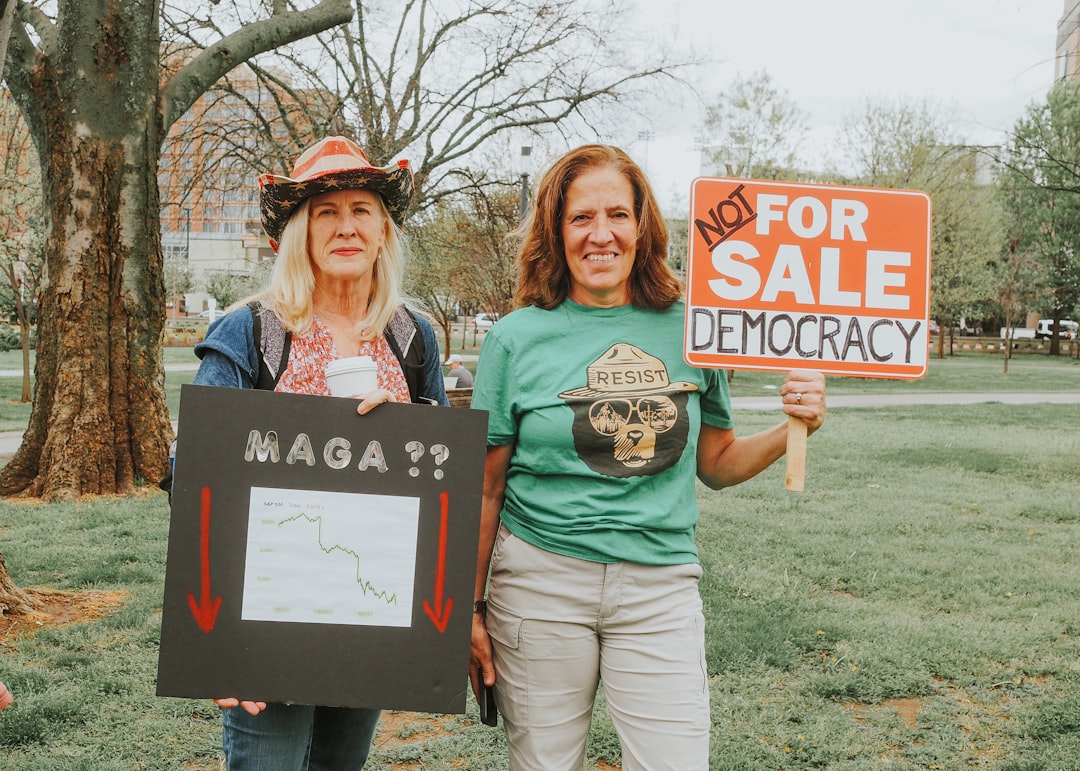
This movement comes at a pivotal moment when educational policies are under intense scrutiny. Proponents argue that such changes are necessary to promote parental rights and uphold traditional values, while critics warn that these efforts undermine the progress made towards inclusivity and acceptance in schools. According to a…
Pro-MAGA groups have initiated civil rights investigations targeting diversity programs and transgender policies in schools across the United States. The nonprofit Defending Education is leading these efforts, raising questions about inclusivity in education. This push for cultural change has major implications for educators and school administrators.
This movement comes at a crucial time when educational policies face intense scrutiny. Supporters argue that these changes promote parental rights and uphold traditional values. Critics warn that these efforts undermine progress toward inclusivity and acceptance in schools. A report by the New York Times states that Defending Education has filed nearly a dozen civil rights complaints against schools with policies seen as promoting progressive values, especially regarding transgender rights. This indicates a strategic effort to reshape educational norms.
The Rise of Civil Rights Investigations
In recent months, civil rights investigations have been initiated, primarily targeting programs that support diversity and inclusion. Defending Education has filed multiple complaints against schools with policies seen as promoting progressive values, especially regarding transgender rights. These actions may create hesitation among educators who fear potential backlash for advocating inclusive practices. The investigations often cite concerns from parents who feel their rights are overlooked in favor of progressive agendas.
According to Career Ahead’s analysis, the rise in civil rights investigations reflects a broader trend influenced by political movements. These movements aim to reshape educational standards. The organization’s findings suggest that such investigations could lead to significant policy changes in schools, impacting how diversity and inclusion are approached in K-12 education. The implications are profound, as these investigations challenge existing policies and set precedents for future actions against schools prioritizing inclusivity.
This situation creates a dilemma for school administrators. They must navigate complex state and federal laws while considering the needs of diverse student populations. The potential for legal repercussions adds complexity. Educators must stay informed about evolving policies and legal standards. Moreover, the investigations have sparked community debates about education’s role in shaping societal values. Some parents support traditional values, while others advocate for inclusive policies that reflect the diverse student body. This divide complicates decision-making for school leaders, who must balance competing interests while ensuring legal compliance.
They must navigate complex state and federal laws while considering the needs of diverse student populations.
New York City's school system remains one of the most segregated in the U.S. City leaders are now pushing for integration, but advocates emphasize the…
As the investigations continue, educators face the challenge of balancing legal compliance with fostering an inclusive environment. The outcomes could set precedents that influence educational practices for years. The New York Times notes that the actions of pro-MAGA groups are part of a larger movement to redefine educational content and policies across the nation.
Implications for Educators and Administrators
The effects of these civil rights investigations go beyond immediate policy changes. Educators and administrators must consider the long-term impact on school culture and student well-being. The push for cultural change raises critical questions about the future of diversity programs in schools. Career Ahead research shows that educators may face pressure to conform to new standards that could conflict with their professional ethics. This tension can lead to burnout and job dissatisfaction among teachers who feel their ability to support students is undermined. The need for professional development and support systems is more crucial than ever.
Furthermore, the changing landscape of educational policy creates uncertainty for new educators. Those just starting their careers may find their values about inclusivity challenged. This could deter potential educators from pursuing K-12 education, worsening existing teacher shortages. The analysis indicates that the ongoing cultural shift may lead to a homogenization of educational practices, potentially stifling innovation and critical thinking in classrooms.
As school administrators navigate these changes, they must also consider the legal implications of their decisions. Policies that prioritize compliance over inclusivity could harm student mental health and academic performance. Research indicates that inclusive environments are beneficial for educational outcomes. Therefore, educators must advocate for policies that support diversity. The potential consequences of these changes could redefine educators’ roles in fostering inclusive environments, forcing them to choose between professional responsibilities and external pressures.
The ongoing cultural shift in schools highlights the need for dialogue about the values underlying educational practices. By fostering open conversations, schools can find common ground that respects diverse perspectives while promoting inclusivity. As the debate continues, it is essential for educators to stay informed and engaged in discussions about their schools’ future.
The analysis indicates that the ongoing cultural shift may lead to a homogenization of educational practices, potentially stifling innovation and critical thinking in classrooms.
In light of these developments, the question remains: how will educators and administrators respond to the challenges posed by pro-MAGA groups? What impact will this have on the future of diversity in schools? The outcomes of these civil rights investigations could signal the direction of educational policy in the United States, with far-reaching implications for students and educators alike.
Frequently Asked Questions
What are the implications of civil rights investigations for K-12 educators?
Civil rights investigations can create fear among educators. This fear makes them hesitant to advocate for inclusive practices. It can lead to lower morale and job satisfaction, impacting the overall educational environment.
How should school administrators respond to changes in diversity program policies?
School administrators should stay informed about legal developments. They should engage in open dialogue with staff and the community. This approach helps navigate compliance complexities while fostering an inclusive school culture.
What should policy analysts in education consider regarding the impact of pro-MAGA groups on school curricula?
Policy analysts should evaluate the long-term effects of pro-MAGA group influence on educational standards. Understanding the implications for diversity and inclusion will be crucial in shaping future educational policies.



Education & University Insights
Education & University Insights