No products in the cart.

Quartz Industry Splits as Trump Tariffs Fuel Affordability Fears

The new tariffs have sparked fears among quartz manufacturers and construction material suppliers about rising costs and potential market share losses.

The US has recently imposed tariffs on imported quartz slabs, affecting the pricing and availability of this popular construction material. Starting August 15, 2026, tariffs will range from 19% to 50%, depending on the import year and volume. This decision has caused division within the quartz industry, as manufacturers and suppliers face significant challenges regarding affordability.
Concerns are mounting among quartz manufacturers and construction material suppliers about rising costs and potential market share losses. As the tariffs take effect, industry stakeholders are reassessing their pricing strategies and supplier relationships. The impact of these changes will be felt throughout the supply chain, from production to retail.
Rising Production Costs and Consumer Impact
The tariffs are expected to significantly increase production costs for quartz manufacturers reliant on imported slabs. These manufacturers may pass the increased costs onto consumers, potentially raising the price of quartz countertops and tiles. As a result, these products may become less accessible, leading to a decline in demand as homeowners and builders seek cheaper alternatives.
The Federal Reserve Bank of San Francisco indicates that tariffs typically lead to higher consumer prices. This trend is evident in the quartz industry, where slab costs are likely to rise, affecting overall sales. Furthermore, the economic ramifications of tariffs can ripple through the industry, prompting companies to reduce investment and innovation as they focus on managing higher costs. A report from AIADA highlights that these tariffs could exacerbate affordability issues, particularly for low- and middle-income consumers.
Manufacturers may need to rethink their pricing strategies to remain competitive. As affordability becomes a critical concern, companies that can offer competitive pricing while maintaining quality will be better positioned. This shift may lead consumers to consider alternative materials, complicating the landscape for quartz manufacturers. For instance, as quartz prices rise, materials like granite or recycled surfaces may become more appealing to cost-conscious buyers.
Manufacturers may need to rethink their pricing strategies to remain competitive.
To address these challenges, manufacturers might explore local sourcing options. By sourcing materials domestically, companies could mitigate their exposure to tariff-related price increases. However, this change may necessitate significant adjustments in supply chain logistics and partnerships. The Budget Lab advises companies to prepare for potential disruptions from changing suppliers or sourcing strategies, which could impact costs, product quality, and availability.
You may also like
 Industry & Global Trends
Mergers Reshape Automation Careers at Schneider Electric
Schneider Electric's aggressive investments in automation are reshaping the industry landscape in Europe. This shift is set to create significant job opportunities for automation engineers…
Read More →Supplier Relationships and Market Dynamics
The tariffs are likely to alter supplier relationships within the quartz industry. As manufacturers confront higher costs, they may seek new suppliers or renegotiate existing contracts, leading to a reevaluation of long-standing partnerships in favor of more cost-effective sourcing solutions.
According to AIADA, the tariff landscape is evolving rapidly, and manufacturers must adapt to remain viable. Companies that can pivot and establish new supplier relationships may gain a competitive edge, though this transition carries risks. New suppliers may not meet the same quality standards as established partners, potentially straining relationships with consumers who expect high-quality quartz products.
Additionally, the tariffs could result in quartz manufacturers losing market share as consumers turn to alternative materials. With rising prices, options like granite or recycled surfaces may attract cost-conscious buyers, significantly impacting quartz manufacturers. To retain customer loyalty, they may need to innovate and differentiate their products. The San Francisco Fed notes that the overall economic environment also influences consumer behavior, with affordability often taking precedence over brand loyalty during financial strain.

Companies should closely monitor consumer trends and be prepared to adapt their offerings. Understanding evolving consumer preferences will be crucial in navigating the challenges posed by tariffs. As the quartz industry faces these obstacles, collaboration among manufacturers may increase, allowing them to share resources and knowledge to address common concerns related to tariffs and pricing pressures.
Future of the Quartz Industry
The introduction of tariffs on quartz imports marks a significant shift in the industry, with far-reaching implications for manufacturers and suppliers. As pricing pressures mount, the quartz industry must adapt to a new reality where affordability is paramount. This situation presents both challenges and opportunities for stakeholders.
Future of the Quartz Industry The introduction of tariffs on quartz imports marks a significant shift in the industry, with far-reaching implications for manufacturers and suppliers.
You may also like
 Industry & Global Trends
Sensex Surges 473 Points as Softer US Jobs Data Boosts Indian Market
The Indian stock market experienced a notable boost as the Sensex surged by 473 points and the Nifty gained 134 points, driven by softer-than-expected US…
Read More →With the potential for increased competition from alternative materials, quartz manufacturers must innovate to maintain their market position. Companies that offer unique features or sustainable options may discover new growth opportunities even in a challenging economic climate. The ability to pivot and adapt will be essential for survival as the industry evolves.
In the coming months, manufacturers must closely monitor the effects of tariffs on their operations and market dynamics. The quartz industry may experience consolidation as companies seek to strengthen their positions, potentially leading to fewer players in the market and affecting pricing and availability for consumers.
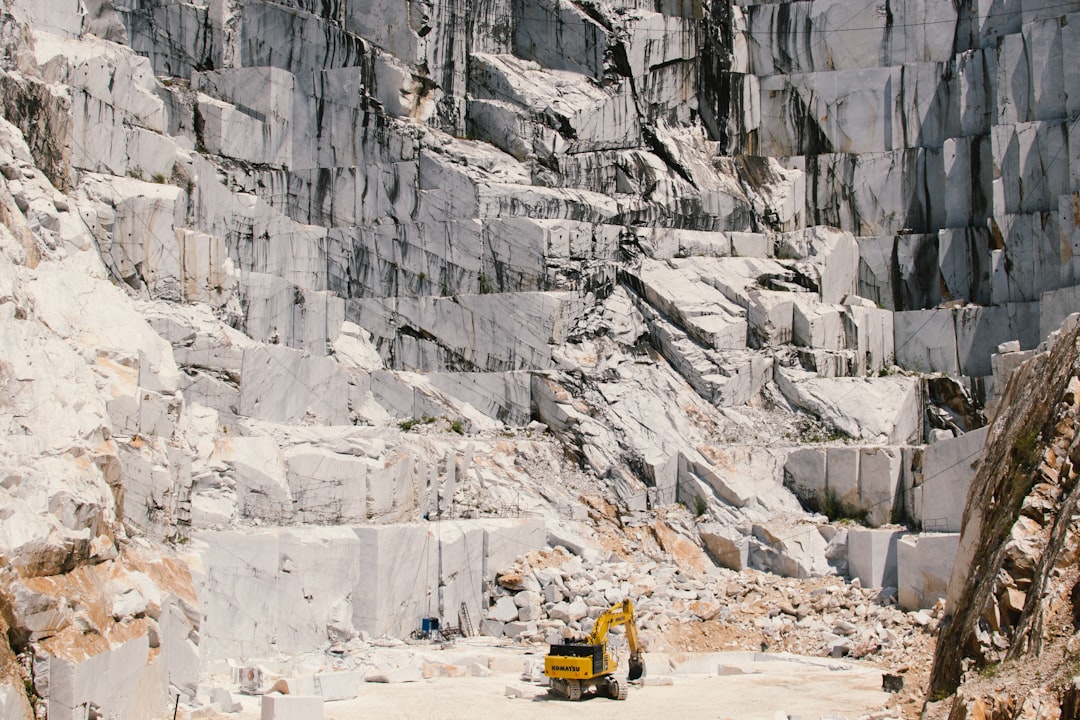
As the situation develops, stakeholders in the quartz industry must remain informed and agile, ready to respond to changes in consumer behavior and market conditions. The future of the quartz industry hangs in a delicate balance, shaped by the ongoing effects of tariffs and the quest for affordability.
Frequently Asked Questions
How can quartz manufacturers mitigate tariff impacts?
Quartz manufacturers can mitigate tariff impacts by exploring local sourcing options and renegotiating supplier contracts. Reducing reliance on imported slabs can lower exposure to tariff-related price increases.
Quartz manufacturers should adopt competitive pricing strategies that reflect the increased costs due to tariffs.
What alternative materials can construction suppliers consider due to quartz price increases?
Construction suppliers may consider alternative materials like granite, recycled surfaces, or other engineered stones as substitutes for quartz. These materials may offer similar aesthetic qualities at a lower price.

What pricing strategies should quartz manufacturers adopt in response to tariffs?
You may also like
 Industry & Global Trends
Etched fields funding offers at $40B+ valuation, sources say
Etched Fields is in talks for funding offers valuing the company at over $40 billion, reflecting a significant shift in the funding landscape for AI…
Read More →Quartz manufacturers should adopt competitive pricing strategies that reflect the increased costs due to tariffs. This may involve reevaluating product offerings and finding ways to maintain quality while keeping prices accessible.