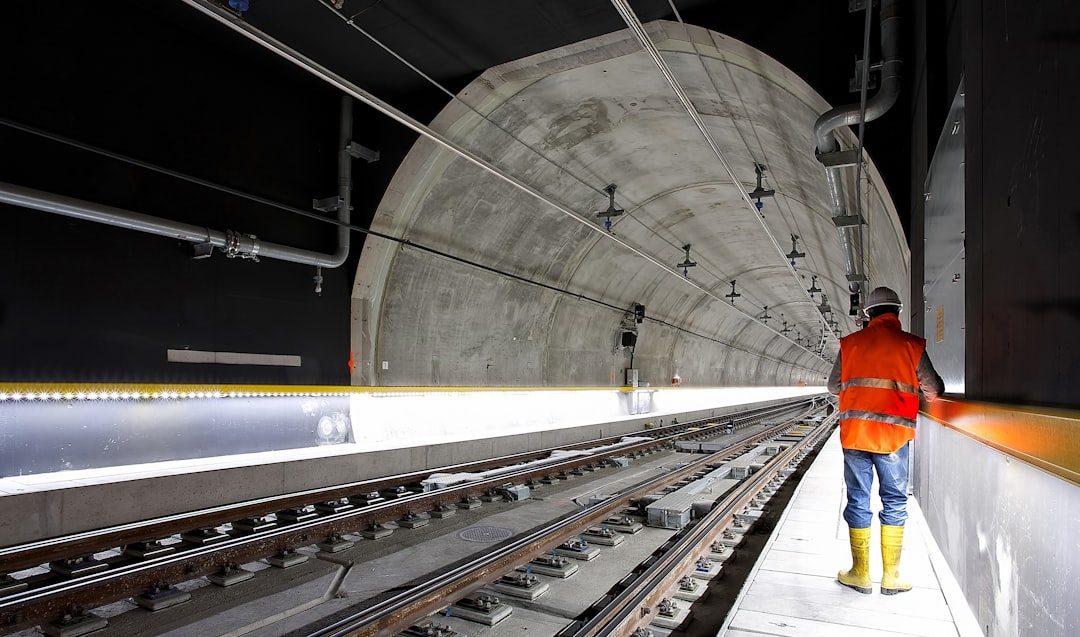
India’s railway engineers have made a strong case during the 8th Pay Commission consultations for improved pay parity and recognition of their roles. The All India Railway Engineers Federation (AIREF) presented their demands on July 6 and 7, 2026, in Bhubaneswar. They are advocating for a restoration of pay hierarchy and better career growth opportunities for approximately 1.1 crore central government employees and pensioners.
During the stakeholder discussions, engineers expressed concerns about their current compensation structure, which they argue has not kept pace with rising living costs. The engineers highlighted that their pay has been adversely affected since the implementation of the 6th Pay Commission, and they seek to restore parity that existed until the 5th Pay Commission. According to the AIREF, the current pay structure fails to reflect the technical expertise and responsibilities that railway engineers hold, which is critical for the safe and efficient operation of the railways.
Calls for Group B Status and Pay Parity
One of the main issues raised by the engineers is the demand for Group B status, which would align their pay and recognition with other central government ministries. Currently, railway engineers hold a mere 0.29% of Group B positions, significantly lower than the national average of 7.5%. AIREF Secretary General BP Dash emphasized that this disparity limits career growth and creates stagnation within the ranks of railway engineers. The lack of Group B status not only affects salary scales but also impacts the engineers’ ability to participate in decision-making processes that affect their work environment and safety standards.
Moreover, the engineers pointed out that many non-technical and non-safety roles within the railways enjoy higher pay scales despite the critical safety and technical responsibilities undertaken by railway engineers. This situation has led to dissatisfaction among engineers, who feel undervalued and underpaid for their contributions to the safety and efficiency of railway operations. As reported by the Commission of Railway Safety, the expertise of railway engineers is vital for maintaining safety protocols, and their current compensation does not reflect the level of responsibility they carry.
AIREF Secretary General BP Dash emphasized that this disparity limits career growth and creates stagnation within the ranks of railway engineers.
IRDAI's proposed commission cuts could reshape the insurance landscape, impacting earnings for agents and altering client acquisition strategies for brokers. Adaptability will be key in…
Career Ahead’s analysis of data from safety.indianrail.gov.in shows that the lack of recognition for railway engineers has broader implications for the safety standards within the railway system. Engineers play a vital role in maintaining safety protocols, and their dissatisfaction could lead to a decline in operational efficiency and safety compliance. The AIREF’s advocacy for restoring the pay hierarchy is not just about financial compensation; it also reflects a need for respect and recognition of the engineers’ expertise and contributions. The push for Group B status is seen as a critical step in addressing these concerns and improving morale among railway engineers.
Implications for Career Growth and Job Satisfaction
The discussions surrounding the 8th Pay Commission are crucial for the future of railway engineers in India. As they seek to address stagnation in promotions, the engineers have raised concerns about the limited avenues for career advancement. The current structure offers few opportunities for upward mobility, which has led to frustration among many engineers. The AIREF has called for reforms to the Modified Assured Career Progression (MACP) scheme to enhance promotional opportunities. The existing structure is perceived as inadequate, and many engineers believe that without significant changes, the profession will struggle to attract and retain talent.
Career Ahead research identifies that the challenges faced by railway engineers are symptomatic of a broader issue within public sector employment in India, where many employees feel undervalued and undercompensated. This sentiment can lead to decreased job satisfaction and higher turnover rates, which could ultimately affect the quality of services provided to the public. The AIREF’s demands for better pay and career growth are not isolated; they resonate with a larger movement among public sector employees advocating for fair compensation and improved working conditions. As highlighted in a recent article by Mint, the outcome of these discussions could set a precedent for other sectors facing similar issues.
As the 8th Pay Commission continues its consultations, the outcomes will likely influence not only the pay scales but also the overall job satisfaction of railway engineers. Improving career growth opportunities is essential for fostering a motivated workforce capable of meeting the challenges posed by modern railway operations. Furthermore, the AIREF’s push for better pay and recognition aligns with a growing trend among public sector employees in India advocating for fair compensation and working conditions. The potential for change is significant, and it could lead to a revitalization of interest in careers within the railway sector.
If the Commission recognizes the need for pay parity and better career growth opportunities, it could encourage a new generation of engineers to join the field, enhancing the overall quality of railway services in India. Ultimately, the ongoing discussions and the subsequent recommendations from the 8th Pay Commission will be pivotal in determining the future landscape of employment for railway engineers. The outcome will not only affect current employees but also shape the perception of railway careers for future generations.
Google's datacenter projects in Finland have been halted due to environmental concerns, raising questions about the ecological impact of tech infrastructure globally. This situation reflects…
Improving career growth opportunities is essential for fostering a motivated workforce capable of meeting the challenges posed by modern railway operations.
Frequently Asked Questions
What are the implications of the 8th Pay Commission for railway engineers?
The 8th Pay Commission’s recommendations could lead to significant changes in pay scales and career advancement opportunities for railway engineers. This may improve job satisfaction and retention rates among engineers.
How can railway engineers advocate for better pay and career growth?
Railway engineers can advocate for better pay and career growth by participating in consultations with the 8th Pay Commission and voicing their concerns through professional organizations like AIREF.
What steps should railway engineers take to achieve Group B status?
To achieve Group B status, railway engineers should continue to push for recognition of their roles and advocate for changes in the pay hierarchy during discussions with the 8th Pay Commission.



 Government & Policy